






Punjab’s Healthcare Reforms: A New Era of Vigilance and Modernization
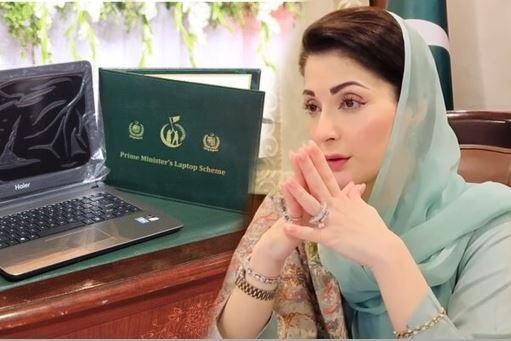
Punjab Chief Minister Maryam Nawaz Sharif has launched a significant initiative aimed at improving the quality and efficiency of healthcare services in the province. As part of this effort, she announced the establishment of the CM Health Vigilance Squad, tasked with monitoring government hospitals across Punjab. The squads are expected to take immediate action on any issues identified during inspections within 24 hours.
The announcement was made during a high-level meeting focused on healthcare reforms. Maryam Nawaz emphasized the importance of ensuring that patients receive safe, reliable, and dignified care. She directed that no lapses in service be tolerated and that corrective measures be implemented promptly.
Structure and Composition of the Health Vigilance Squads
As part of a pilot project, three Health Vigilance Squads will be deployed soon. Each squad will consist of multidisciplinary professionals, including doctors, pharmacists, biomedical engineers, budget officers, and data experts. Their responsibilities will include conducting comprehensive checks on medicine stocks, duty rosters, clinical services, and biomedical equipment. To support these efforts, Maryam Nawaz approved a detailed surveillance checklist for the teams and sanctioned the creation of a dedicated Directorate of Monitoring under the Health and Population Department.
This new directorate will have separate monitoring units for district and tehsil hospitals, along with a 24/7 surveillance room to ensure continuous oversight of hospital operations. The initiative aims to create a more transparent and accountable healthcare system.
Expanding and Modernizing Healthcare Services
In addition to the vigilance squads, the meeting approved several major initiatives to expand and modernize healthcare services across Punjab. These include:
- Gastroenterology Services: Introduction of gastroenterology services in government hospitals, with a dedicated Gastroenterology Center to be established at Services Hospital in Lahore.
- Emergency Upgrades: Upgrading emergency wards and establishing trauma centers in tehsil and district hospitals, including a special trauma facility at Faisal Masood Teaching Hospital in Sargodha.
- Cardiology Facilities: Creation of a cardiology ward at the Teaching Hospital in Gujranwala and functionalization of four modern operation theaters at the Cardiology Institute in Multan.
- Nurse Training: Offering paid internships to nurses with BSN degrees in government hospitals to improve staffing and care quality.
Maryam Nawaz also approved the establishment of cath labs in eight district hospitals, with a December deadline for these facilities to begin operations. Additionally, she ordered that doctors posted in remote areas be provided with proper residential furnishings to ensure better working conditions.
Ensuring Free Medicines and Patient-Centered Care
A key focus of the reforms is the provision of free medicines. Maryam Nawaz reiterated her government’s commitment to ensuring that all medicines and facilities in government hospitals are free for the public. She instructed strict action against hospitals that fail to announce or ensure the availability of free drugs.
She also demanded a detailed report on the availability of ventilators and ordered the creation of comfortable patient waiting areas, complete with shaded seating, cold drinking water, and fans. Emphasizing a patient-centered approach, she directed the early completion of the revamping and outsourcing of the Maryam Nawaz Health Clinic.
Reviewing Existing Initiatives and Future Plans
During the meeting, officials reported a 23 percent increase in patient visits to government hospitals, with 70 percent of Punjab’s population relying on public facilities for treatment. Over 98 percent of prescribed medicines are being provided free of cost in most government hospitals. Clinics-on-wheels and field hospital initiatives have served over 10 million patients, with specific programs providing insulin to type 1 diabetes patients and free medicines to those suffering from hepatitis and tuberculosis.
Maryam Nawaz stressed that it is deeply regrettable that patients still have to buy medicines from outside despite their availability in hospital pharmacies. She vowed to eliminate such practices. The chief minister also chaired a special review meeting on the Nawaz Sharif Medical District Project and received a detailed briefing on plans for the Nawaz Sharif Institute of Cardiology in Sargodha.
Conclusion
These reforms mark a significant step toward transforming Punjab’s healthcare system into a more efficient, accessible, and patient-focused model. With the introduction of the Health Vigilance Squads, modernized facilities, and a renewed emphasis on free medicines and quality care, the government is taking concrete steps to ensure that all residents of Punjab receive the healthcare they deserve.