

Land Rights Recognition for Indigenous Groups in Victoria
Three groups of Indigenous peoples have been granted exclusive rights to vast areas of land in Victoria, marking a significant milestone in the region’s history. This decision follows a ten-year legal battle over land claims and represents a major step forward in acknowledging the traditional ownership of these lands.
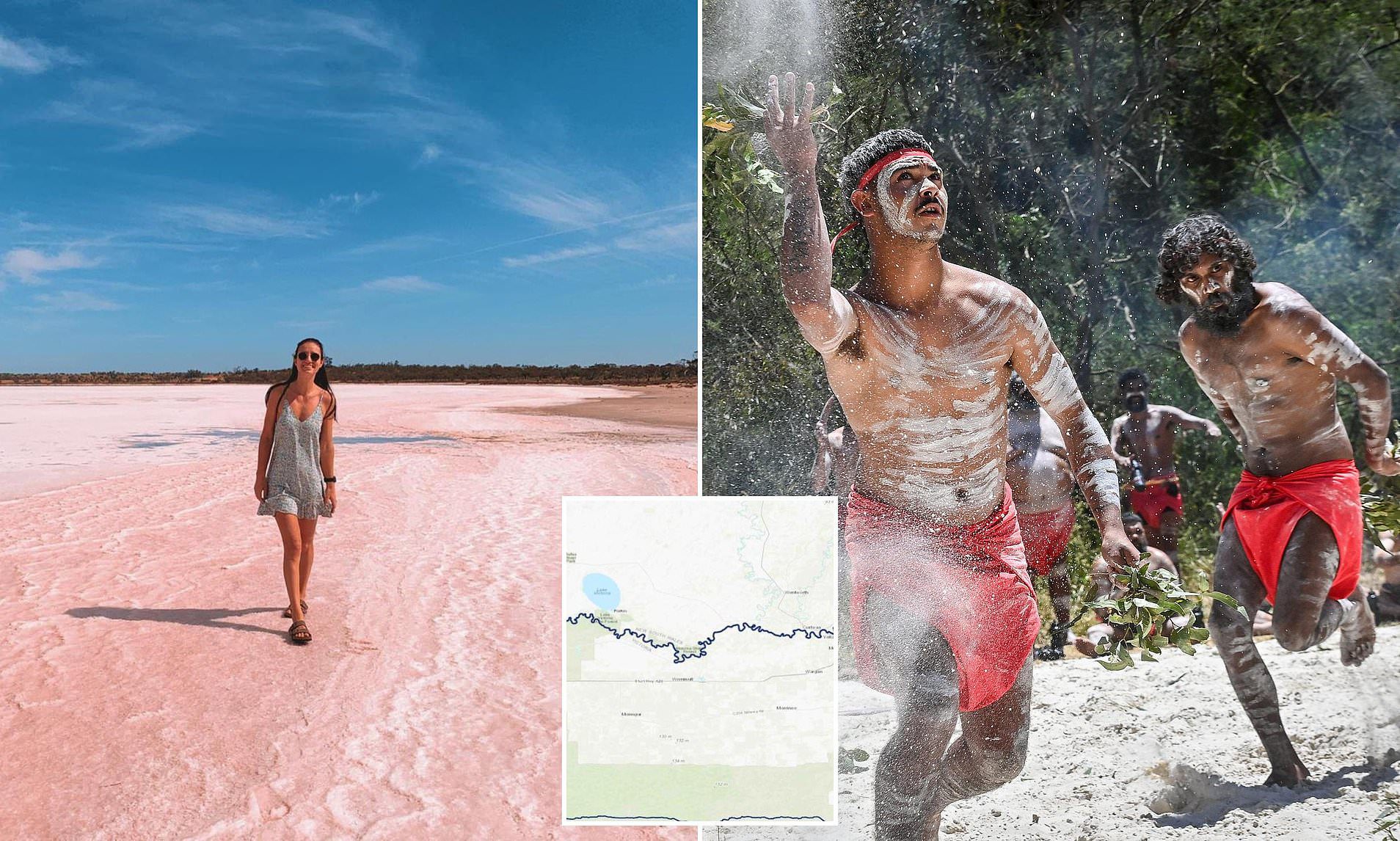
The Federal Court has recognized the First Peoples of the Millewa-Mallee, the Latji Latji, Ngintait, and Nyeri Nyeri as having native title rights over a large area stretching from Victoria’s northwest corner to the South Australian border. These rights include the ability to control access to their Country according to traditional law and customs.
This landmark determination covers thousands of square kilometers, including regions such as Mildura, and extends along the Murray River, southward along the Calder Highway, and west through the Murray-Sunset National Park. Several well-known destinations fall within this area, including Apex Park Sandbar, Kings Billabong Park, and the Murray-Sunset National Park, which is home to Victoria’s famous pink lakes.
Justice Elizabeth Bennett, who delivered the decision, acknowledged the resilience and determination of the First Nations Peoples of Millewa-Mallee. She highlighted that despite historical dispossession and other atrocities, these communities have maintained their traditional laws and customs, which reflect a deep and enduring connection to their land.
“It is appropriate to make the orders sought. In doing so, the Court recognizes the resilience and determination of the First Peoples of the Millewa-Mallee Native Title Claim Group in reaching this milestone,” Justice Bennett stated. “Doing so is a testament to the strength of connection to Country that this determination reflects.”
First Nations Legal & Research Services (FNLRS) noted that the Millewa-Mallee First Nations Peoples have fought for recognition of their land rights since the 1990s. The decision is considered a historic outcome, challenging long-held views that exclusive native title rights could not be recognized in Victoria.
“This historic outcome confirms that the State accepts the native title holders’ right to control access to their Country under traditional law and custom,” FNLRS said in a statement. “Thus challenging the long-held view that exclusive native title rights could not be recognized in Victoria.”
In addition to exclusive rights, native title holders also have non-exclusive rights, such as the right to access the land, use its resources, and protect sites, objects, and places of cultural and spiritual significance.
Stacey Little, a Senior Lawyer at FNLRS, described the outcome as a testament to the strength and persistence of the First Nations Peoples. She emphasized that this decision proves their right to make decisions about their Country.
Nyeri Nyeri Elder Wendy Brabham shared her experiences of the challenges faced by Indigenous people in fighting for their land rights. She mentioned that Indigenous communities had to adapt their customs, laws, and traditions to fit Australian law, resulting in ongoing conflicts. However, she expressed hope that future generations would build on this decision to honor their ancestors and preserve their culture.
Shane Jones Senior, a Latji Latji man and representative for the Millewa-Mallee peoples, expressed pride in the result. He emphasized that with native title, present and future generations can continue the legacy of their Elders and emerging leaders.
This decision sets a precedent that may support other native title holders and claim groups in seeking similar recognition. It highlights the importance of recognizing and respecting the traditional rights of Indigenous peoples while promoting cultural preservation and heritage protection.