






Ghana’s Oil and Gas Sector Gains Momentum
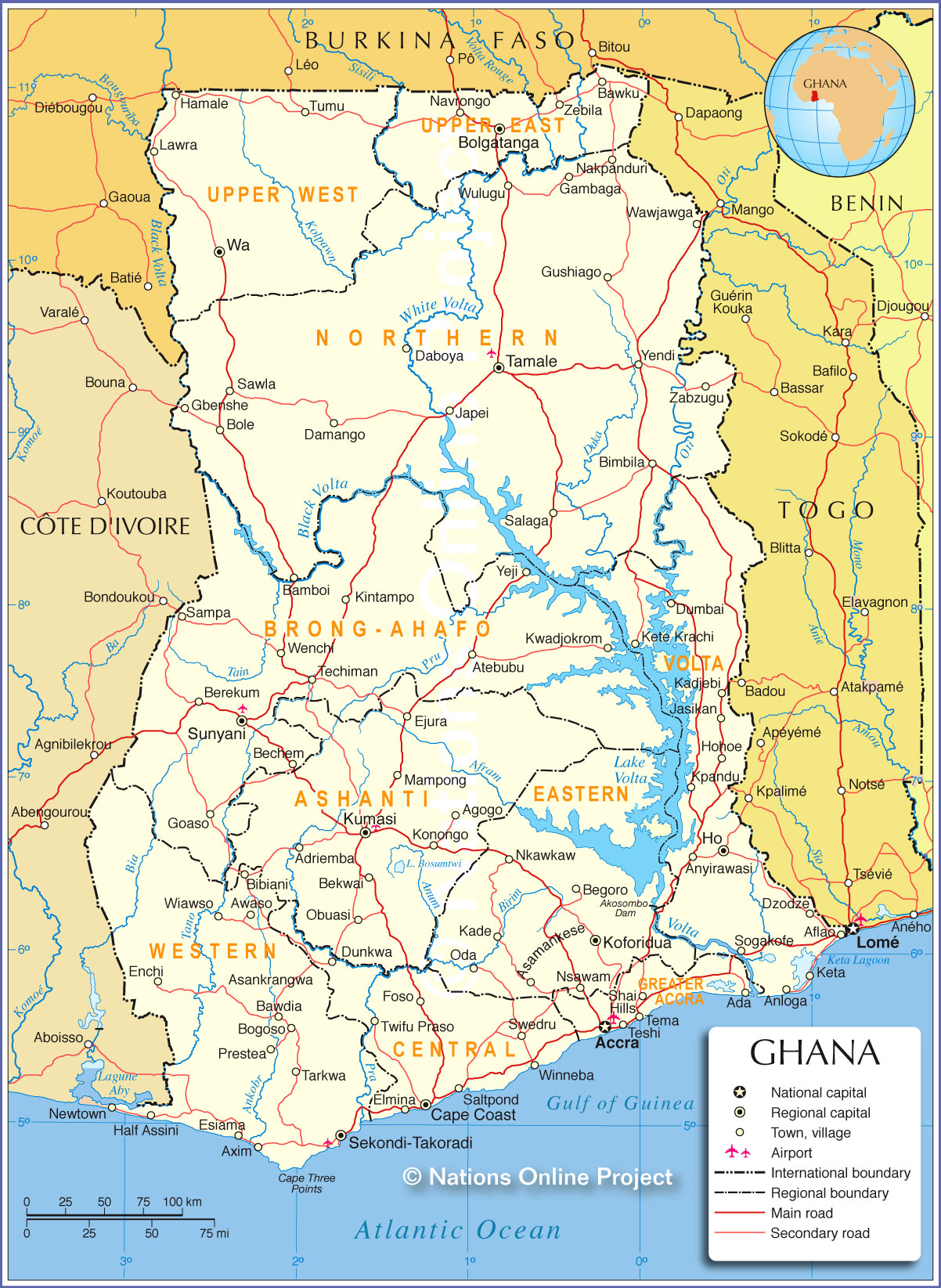
Ghana’s oil and gas sector is experiencing a significant resurgence, marked by key developments that highlight the country’s growing potential in the energy landscape. One of the most notable achievements is Eni’s recent declaration of commerciality for the Eban-Akoma complex located in the Cape Three Points Block 4. This discovery is estimated to hold between 500 and 700 million barrels of oil equivalent, making it the largest offshore find in years. Situated near Eni’s existing Sankofa production hub, this development offers a cost-effective and efficient path to production.
The African Energy Chamber (AEC), representing Africa’s energy sector, has welcomed these developments as a crucial step forward in Ghana’s upstream revival. Alongside other industry milestones, such as the 15-year license extensions granted to Tullow Oil and Kosmos Energy, these events reflect increasing confidence in Ghana’s potential. They also showcase the efforts of President John Mahama’s administration to restore momentum and investor trust in the sector.
Long-Term Energy Commitments Secure Future Growth
In a significant move, Tullow Oil and Kosmos Energy, along with partners PetroSA, the Ghana National Petroleum Company (GNPC), and Explorco, signed a Memorandum of Understanding to extend petroleum licenses in the Jubilee and TEN fields through 2040. This agreement not only underscores the geological potential of Ghana but also highlights the country’s institutional capacity to drive long-term energy growth.
At the core of these developments is a renewed focus on production-led investment. Eni is preparing a development plan to bring its new find online, while Tullow and Kosmos have committed up to $2 billion to drill 20 new wells in the Jubilee field. These investments are grounded in existing infrastructure, supported by regulatory clarity, and designed to deliver returns for both investors and the Ghanaian state.
The resulting increase in oil and gas production will expand the country’s revenue base through GNPC equity, royalties, and taxes. This additional income can be directed toward national development priorities such as healthcare, education, and infrastructure. Moreover, Ghana’s ability to secure long-term upstream commitments sends a strong signal to global markets that the country is stable, serious, and ready for investment.
Expanded Output Drives Industry and Employment
Energy security remains a central focus of both projects. Eni already supplies a substantial portion of Ghana’s domestic gas needs, and the Eban-Akoma discovery will further enhance this capacity. Under the extended production license agreement, Tullow and Kosmos have committed to delivering 130 million standard cubic feet of gas per day from the Jubilee and TEN fields. A restructured pricing and payment model ensures better access for power producers and industrial users.
These gas volumes are essential for stabilizing the power sector, supporting energy-intensive industries, and creating jobs. With sustained drilling and field optimization, Ghana’s proven and probable reserves are expected to grow, strengthening the country’s resource base and outlook.
Institutional Capacity and Job Creation
Ghana’s institutional capacity is also set to benefit from these developments. Partnerships between Eni, Tullow, and Kosmos with national bodies like GNPC and the Petroleum Commission include frameworks for knowledge transfer, technical support, and regulatory alignment. These collaborations strengthen the country’s ability to manage its energy resources effectively.
Eni’s ongoing expansion, along with Tullow and Kosmos’ drilling programs, is expected to create thousands of jobs across engineering, logistics, fabrication, and services. It also opens up new opportunities for Ghanaian companies to participate more actively in the oil and gas value chain.
A Strong Message to Global Investors
NJ Ayuk, Executive Chairman of the AEC, emphasized that Ghana is demonstrating how a clear regulatory environment, strong national institutions, and consistent political will can unlock real energy growth. The Eban-Akoma discovery and the government’s approach to extending production at Jubilee and TEN are examples of actions that send a strong message to global investors: Ghana is open for business and committed to long-term energy security.
As Ghana continues to revitalize its upstream sector and accelerate economic growth, these commitments represent critical milestones. They reinforce the country’s reputation as a reliable oil and gas producer while driving energy security, building institutional capacity, creating jobs, and fueling sustainable development.