





The Sentencing of Brett Hankison in the Breonna Taylor Case
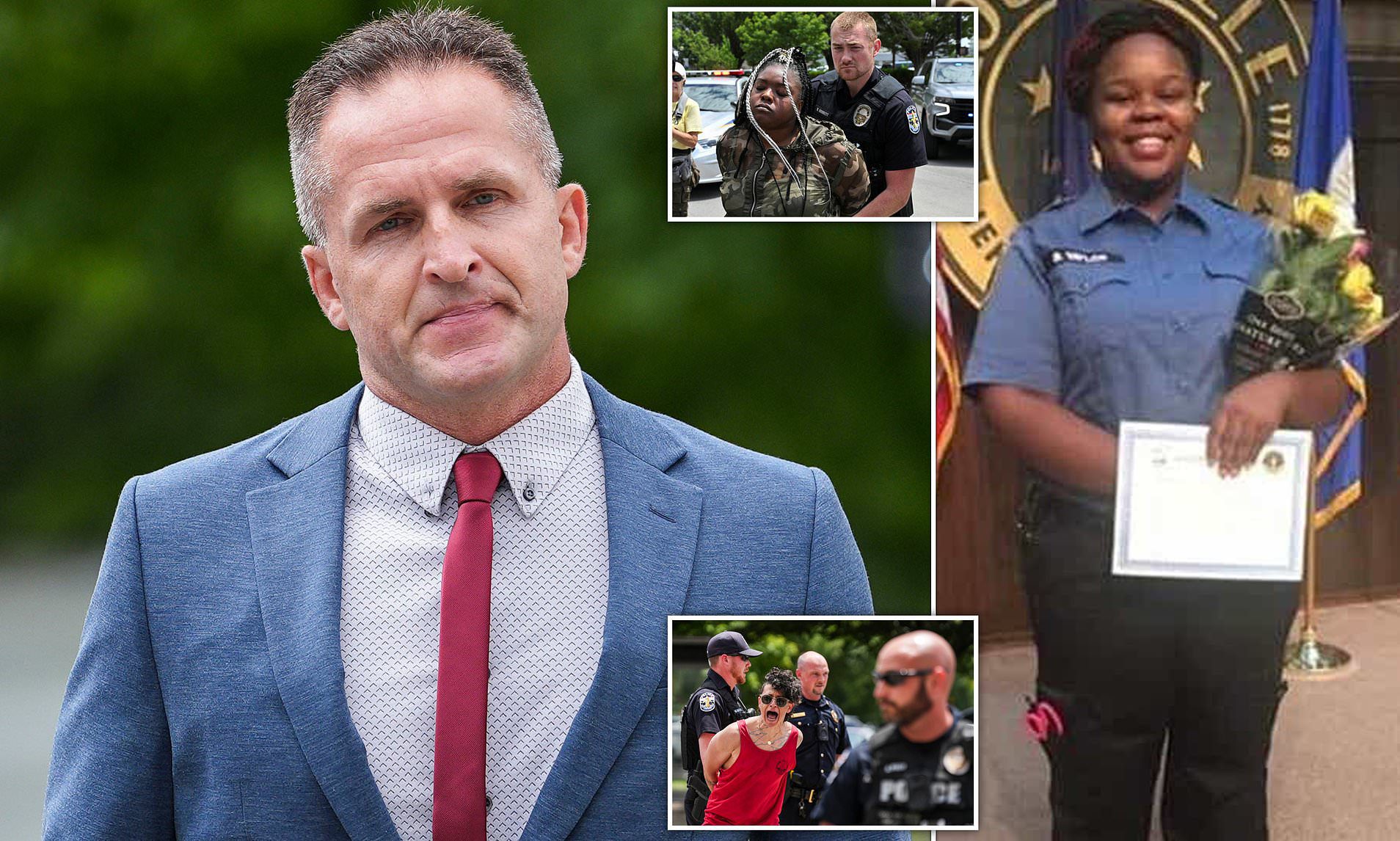
A former Kentucky police officer has been sentenced to 33 months in prison for using excessive force during a botched raid that led to the death of Breonna Taylor. Brett Hankison, who fired 10 shots during the incident but did not hit anyone, was the only officer charged in the 26-year-old Black woman’s death.
This case, which shook the city of Louisville and sparked weeks of protests over police brutality five years ago, marks the first time someone has received jail time. US District Judge Rebecca Grady Jennings rejected a recommendation from the US Department of Justice (DOJ) that Hankison should avoid prison, stating it would not be appropriate. She expressed surprise that more people were not injured during the raid.
Hankison will serve 33 months in prison followed by three years of supervised probation. However, he will not report directly to prison, as the Bureau of Prisons will determine when and where he begins his sentence.
Judge Jennings criticized the DOJ’s sentencing memo, calling it “incongruous and inappropriate.” She was disappointed that the Justice Department treated Hankison’s actions as an “inconsequential crime.”
Ben Crump, a civil rights attorney who helped Taylor’s family secure a $12 million wrongful death settlement against the city of Louisville, also condemned the DOJ’s recommendation. He called it an insult to Breonna Taylor’s life and a betrayal of the jury’s decision. Crump attended the hearing and later urged the crowd outside the courthouse to “Say Her name,” to which they responded with “Breonna Taylor!”
During the March 2020 raid, Hankison fired his weapon, sending bullets through the walls of Taylor’s apartment into a neighboring unit without hitting or injuring anyone. Taylor was shot in her hallway by two other officers after her boyfriend fired from inside the apartment, striking an officer in the leg. Neither of these officers was charged in state or federal court, as prosecutors deemed their actions justified.
The raid was based on a drug warrant, but no drugs or cash were found inside the apartment. A separate jury deadlocked on federal charges against Hankison in 2023, and he was acquitted on state charges of wanton endangerment in 2022.
In their recent sentencing memo, federal prosecutors argued that although Hankison’s response was unreasonable, it did not result in any injuries. They recommended that he receive no prison time, citing that he had already served one day and should instead face three years of probation.
The DOJ, which has changed leadership under President Donald Trump since Hankison’s conviction, stated that there was no need for a prison sentence to protect the public. This recommendation came as a surprise to many, given the department’s previous aggressive prosecution of the former detective.
Harmeet Dhillon, chief of the DOJ’s Civil Rights Division and a Trump political appointee, submitted the memo. Dhillon also moved to cancel settlements with Louisville and Minneapolis that called for police department overhauls.
In the Taylor case, three other ex-Louisville police officers have been charged with crafting a falsified warrant but have not gone to trial. None were present when Taylor was shot.
On Monday, the Louisville Metro Police Department arrested four individuals in front of the courthouse for creating a confrontation, kicking vehicles, or otherwise causing an unsafe environment. Authorities did not specify the charges these individuals would face.
“We understand this case caused pain and damaged trust between our department and the community,” a police statement said. “We particularly respect and value the 1st Amendment. However, what we saw today in front of the courthouse in the street was not safe, acceptable or legal.”
A US Probation Office presentencing report suggested that Hankison should face a range of 135 to 168 months in prison for the excessive force conviction. However, federal prosecutors argued that multiple factors, including the outcomes of his previous trials, should significantly reduce the potential punishment.