







The Global Shift Toward Internal Trade Reform
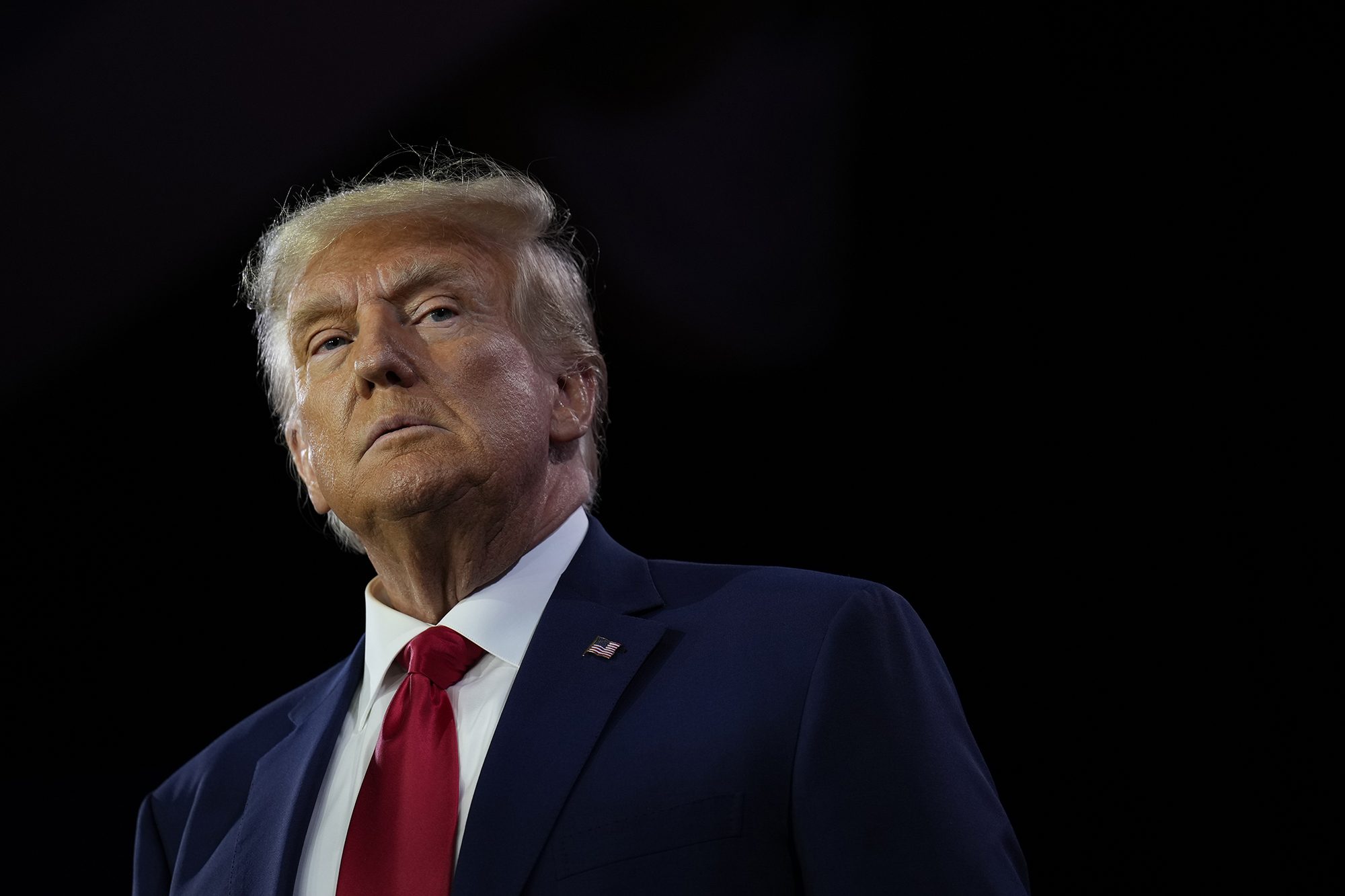
Canada, China, and the European Union are among the countries that have started to recognize the urgent need to dismantle long-standing domestic barriers that hinder trade and commerce. While many people criticize the universal tariffs imposed by former U.S. President Donald Trump, there is an underlying benefit: they reveal the hypocrisy and self-defeating internal trade barriers that nations or trading blocs have built over time. These barriers have had a significant negative impact on their economies, potentially costing more than the tariffs themselves.
In particular, Canada, China, and the European Union have experienced notable shifts in their approaches to removing these internal trade barriers. In Canada, for instance, the issue of interprovincial trade has been a longstanding challenge. Liquor, for example, is often cheaper and easier to purchase from the United States or other countries than from another Canadian province. Similarly, truckers face restrictions based on the time of day when they can move goods between provinces, and companies operating across provinces must navigate varying insurance rates, licenses, and fees.
According to Policy Magazine, these trade barriers, red tape, and inefficiencies cost the Canadian economy approximately C$200 billion annually, or roughly C$5,100 per person. Former Prime Minister Justin Trudeau had long advocated for reducing interprovincial trade barriers, and his successor, Mark Carney, has continued this effort with greater urgency. Since March, federal, provincial, and territorial governments have worked to remove obstacles related to liquor movement, recognition of professional credentials nationwide, and the sale of goods certified in one province without further inspection.
China’s Push for a Unified Domestic Market
China has also made strides in addressing its own internal trade challenges. In the mid-2010s, cities like Maanshan and Taiyuan faced issues where local protectionism favored local businesses over outsiders. For example, private firms in Maanshan had to obtain approval from seven different departments to bid for mining rights, while truckers in Taiyuan were required to specify routes for driving permits, disadvantaging those unfamiliar with local traffic patterns.
The hukou household registration system has also been a major barrier to labor mobility, particularly for migrant workers who move from rural areas to cities. This system denies them access to welfare and public services, limiting their ability to contribute fully to the economy. However, reforms are now underway to allow migrant workers to obtain hukou status in most places, granting them access to social and welfare benefits similar to those of locals.
President Xi Jinping has emphasized the importance of boosting domestic consumption and creating a unified national market as a priority. His call for reducing cutthroat competition between companies and encouraging the flow of goods and services aligns with the goals outlined in China’s 14th Five-Year Plan. A detailed document released in 2022 outlines steps to improve standardization and consistency in regulations across various industries. These efforts are crucial as pressure from an increasingly hostile West makes such reforms not only necessary but urgent.
Europe’s Struggle With Internal Barriers
The European Union has faced its own challenges in addressing internal trade barriers. Former European Central Bank head Mario Draghi highlighted the issue in his report on EU competitiveness, which was released last September. He pointed out that differences in standards, regulations, and the recognition of accredited qualifications between member states create significant hurdles. According to estimates from the International Monetary Fund, internal barriers in the EU are equivalent to a 45% tariff for manufacturing and 110% for services.
Draghi argued that these barriers have effectively shrunk the market for European companies, resulting in less trade within the EU compared to trade across U.S. states. As the EU continues to shift toward a service-based economy, the drag on growth becomes even more pronounced. Despite being called a “single market,” the reality is that the EU is highly fragmented internally, with some member states facing more restrictions than others.
The Draghi report identified the lack of growth as a key issue for the EU, especially in comparison to China and the U.S. Many of its nearly 200 recommendations focus on boosting growth and productivity through the removal of internal trade barriers. However, implementing these reforms is more complex in the EU, as it involves independent states rather than provinces.
The Impact of Geopolitical Tensions
Geopolitical tensions, particularly the war in Ukraine, have further complicated the situation. The EU and NATO have positioned Russia as an existential threat, leading to commitments to increase defense spending to 5% of GDP. This has resulted in the latest European Commission budget proposal for 2028-34, totaling a record Euro2 trillion. However, the proposal has faced criticism from various political factions, with concerns about the balance between defense spending and other priorities such as regional development and agriculture.
Despite these challenges, the need for internal trade reform remains clear. As countries like Canada, China, and the EU work to address their internal barriers, the lessons learned from past experiences and the pressures of global competition will continue to shape their economic strategies.