





A Delicate Balance in India-China Relations
The recent handshake between Indian Foreign Minister Subrahmanyam Jaishankar and Chinese President Xi Jinping in Beijing is more than a symbolic gesture. It reflects a cautious attempt to address years of tension between the two Asian giants. As Jaishankar’s first visit to China since the Galwan Valley clash in 2020, this meeting can be seen as an inflection point in India-China relations.
Following the 2024 border agreement, which allowed for controlled patrolling along the Line of Actual Control, there has been a flurry of re-engagement between India and China. This includes meetings between senior officials such as Foreign Secretary Vikram Misri, Defence Minister Rajnath Singh, and National Security Adviser Ajit Doval with their Chinese counterparts. These interactions have taken place on the sidelines of various international events, including the Brics summit in Kazan, Russia, in October 2024.
Jaishankar’s interaction with Xi took place during a Shanghai Cooperation Organisation (SCO) foreign ministers meeting in Tianjin, highlighting the importance of multilateral frameworks in managing bilateral relations. This approach allows both sides to showcase warming ties without appearing to normalize relations, which could be politically sensitive.
India’s current engagement with China comes amid tensions with Pakistan following a recent military clash and high US tariffs on China. Whether this moment leads to sustained dialogue or remains a tactical reset will depend on how both sides manage the balance between hard security issues and economic interests.
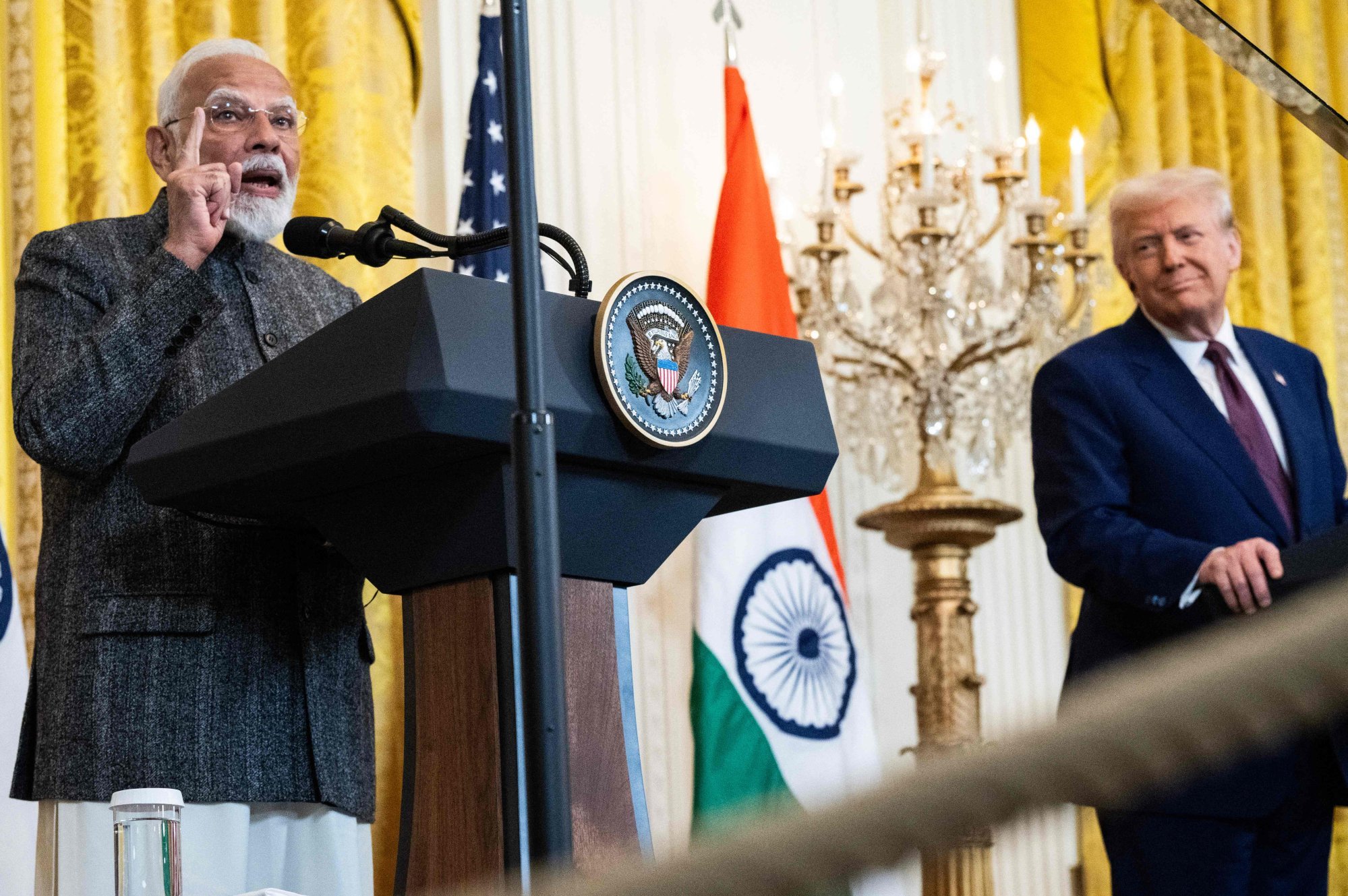
After Prime Minister Narendra Modi’s re-election, he has focused on maintaining stable relations with China. Returning to the “normal” before the 2020 clash, India is betting on re-engagement as the best way to avoid an unintended escalation along its militarized border. It also aims to present the narrative that it is open to dialogue without compromising on sovereignty.
This approach allows for diplomatic signaling, using multilateral frameworks to interact avoids the impression of bilateral normalization. Re-engagement with China helps India balance out its alignment with the United States and the Quadrilateral Security Dialogue (Quad). Overall, this outreach portrays India as a stabilizing force in Asia amid global polarization.
In addition, in the wake of the military flare-up with Pakistan, re-engagement helps avoid the spectre of a two-front conflict. Given Beijing’s deep defense and economic ties with Islamabad, re-engagement could also be an indirect avenue to raise concerns about cross-border terrorism and bring Chinese leverage into play.
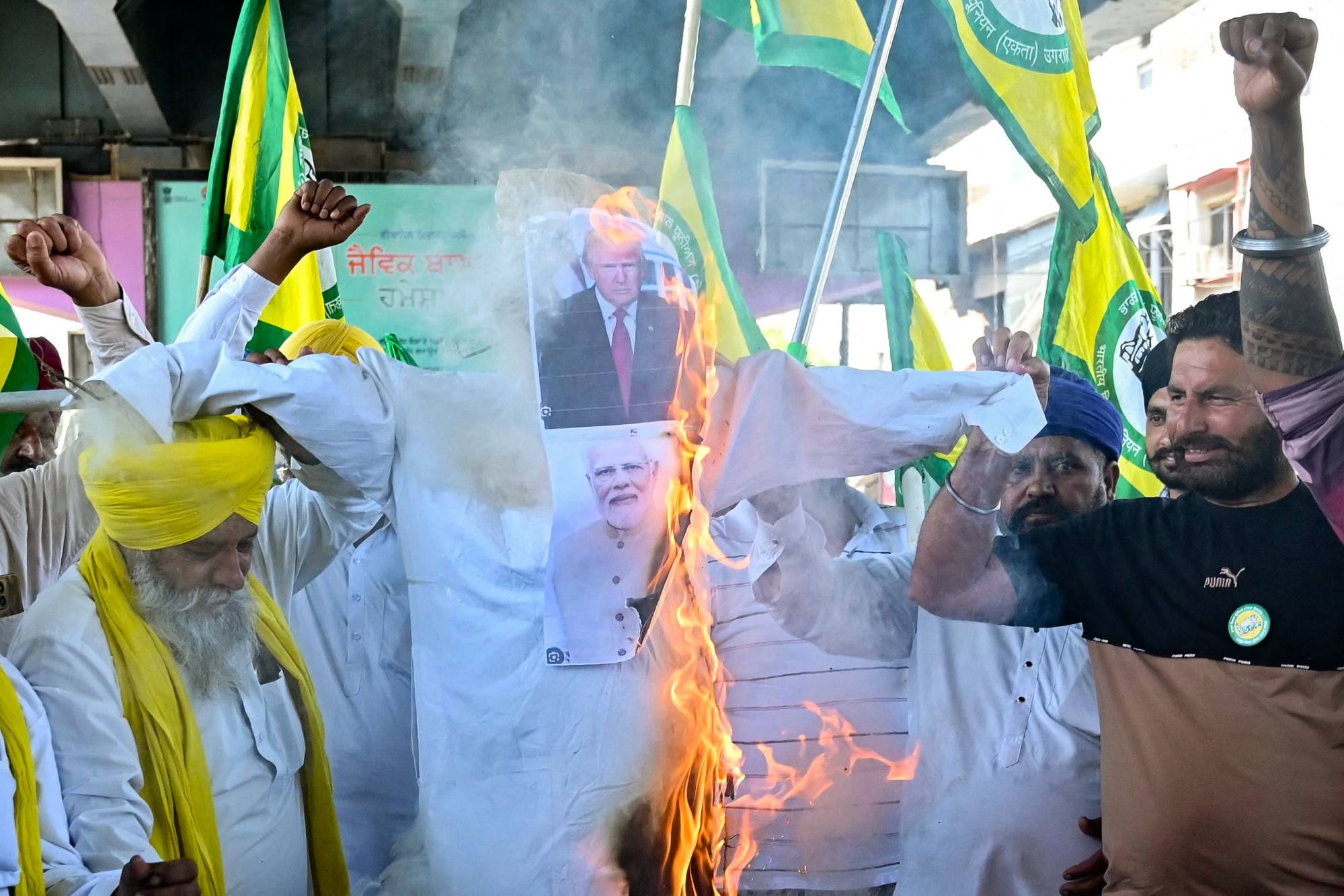
Beijing’s diplomatic thaw stems from strategic pragmatism and recalibration as it faces mounting American pressure amid Donald Trump’s second term as US president. Amid China’s economic challenges, India can emerge as a vital export market for tech hardware, infrastructure equipment, and machinery.
The trade deal being negotiated between India and the US only adds to China’s angst. Beyond trade, China wants to dissuade India from deepening defense ties with the US or cooperation within American-led platforms such as the Quad. Improving ties with India allows China to project itself as a responsible regional actor in multilateral forums like Brics and the SCO, thereby emphasizing the narrative of Asian solutions to Asian problems.
China wants to decouple the border issue from the rest of its security calculus, while India wants peace at the border as well. However, despite the current optics of re-engagement, the core issue of the unresolved border persists.
While both sides agreed to a patrolling arrangement in 2024, China has shown little willingness to restore the status quo before the Galwan Valley clash. Moreover, China has reportedly recently blocked tech exports to India, as well as specialty fertilizers essential for increasing crop yield. India imports about 80 per cent of its supplies of these chemicals from China.
Meanwhile, export curbs on rare earth minerals have hampered India’s electric vehicle and automotive industries. According to a Bloomberg report published in early June, at least two shipments headed for India were blocked, and supplies for Indian auto part manufacturers had been stranded at ports in China since April.
India has either tacitly or explicitly raised these issues during Foreign Vice-Minister Sun Weidong’s visit to New Delhi and Jaishankar’s discussions in Beijing. Symbolic diplomacy notwithstanding, China appears to be moving to tackle India’s expansion in strategic industries.
India and China share an outlook that emphasizes the primacy of sovereignty and non-interference in domestic affairs, reflecting a deep-rooted concern for strategic autonomy. They view themselves as civilizational states, drawing legitimacy from ancient cultural and historical traditions. Both aspire to be leading voices of the Global South, advocating an inclusive international order. Their shared push for reforming global governance structures to ensure a more equitable distribution of power further underscores this convergence in outlook.
Recent developments signal a measured thaw rather than a strategic breakthrough. While both sides are willing to lower the temperature, unresolved border disputes and economic frictions remain barriers to progress. Unless substantive progress is made on core security and trade issues, symbolic gestures will have a limited impact. At present, both countries are simply managing their relationship.