







Tokyo’s Strategic Move to Attract the United Nations
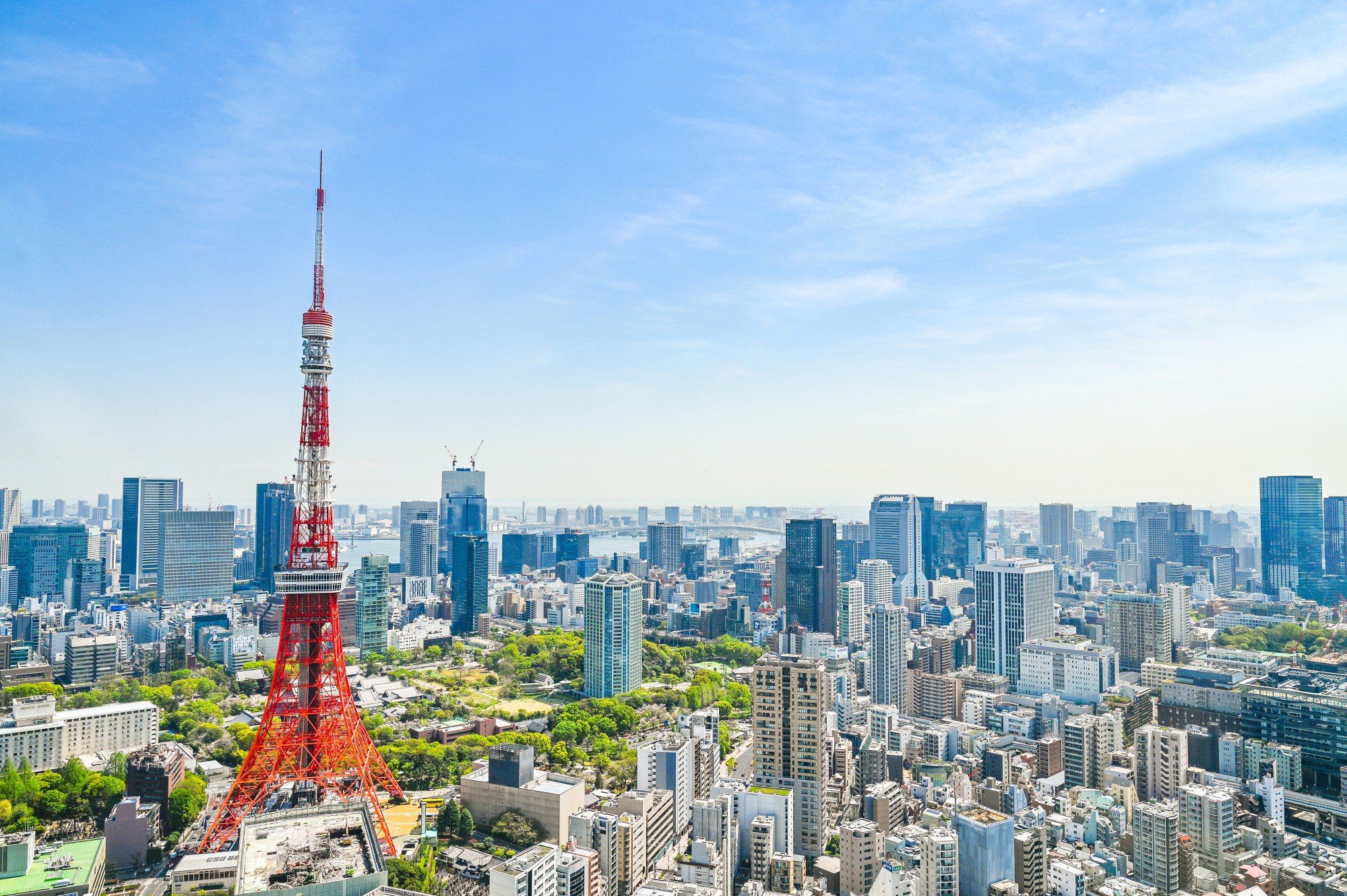
As global dynamics shift and traditional powers like the United States step back from their leadership roles, Japan is actively seeking to fill the void. Tokyo Governor Yuriko Koike has proposed that the United Nations relocate some of its operations to the Japanese capital, positioning it as a viable alternative to current locations.
Koike recently returned to Japan after an official visit to the United States, where she addressed the Johns Hopkins School of International Studies in Washington. During her trip, she emphasized Tokyo’s growing influence on the world stage. She also met with policy experts at the Hudson Institute think tank, discussing the city’s aspirations to become a sustainable metropolis.
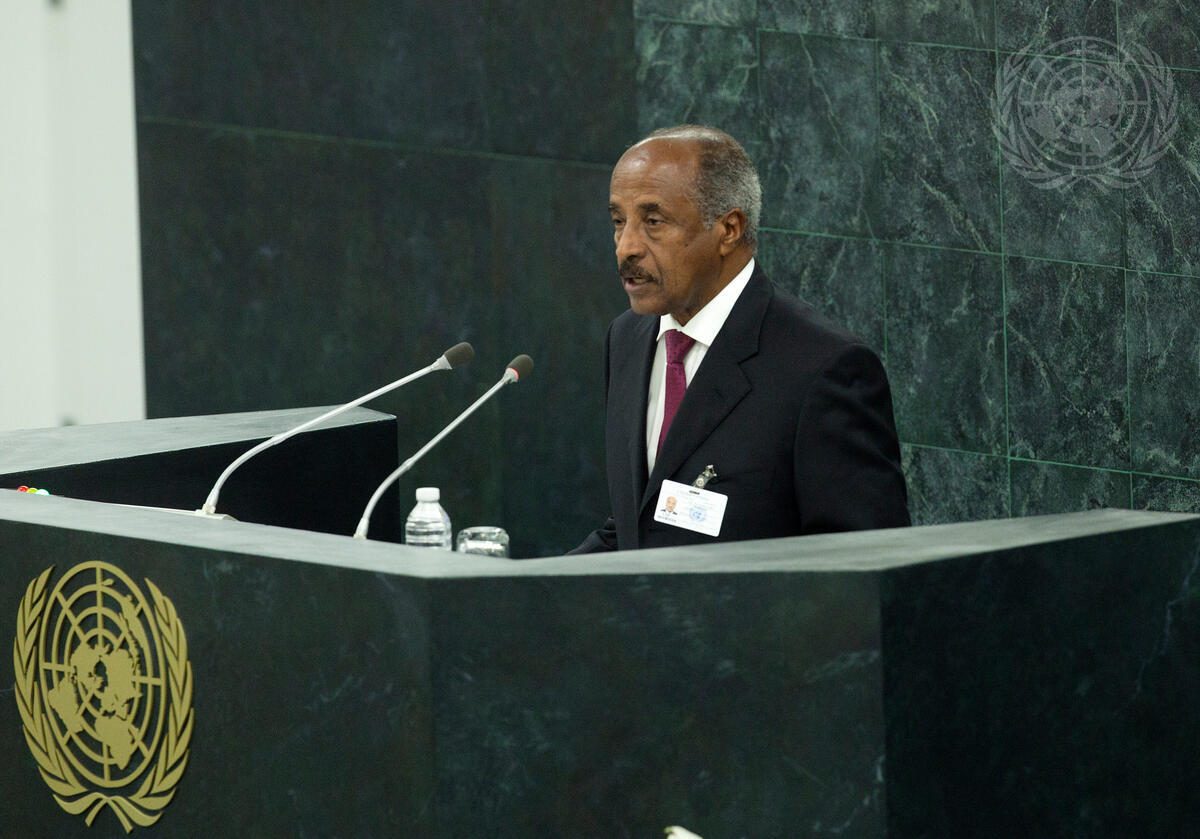
In a significant move, Koike held a 15-minute meeting with UN Secretary-General Antonio Guterres at the organization’s headquarters in New York. There, she proposed that more of the UN’s offices be relocated to cities outside of their current locations, including Tokyo. Koike highlighted several advantages of Tokyo, such as public safety, security, and the benefits of the weak yen for living costs.
Guterres acknowledged that his office had received offers of cooperation from various countries and regions but did not elaborate on the Japanese proposal or whether it might be pursued further. However, experts suggest that this initiative is part of a broader strategy by Japan to elevate its international profile.
Ben Ascione, an assistant professor of international relations at Tokyo’s Waseda University, noted that Japan has long been a significant contributor to the UN, with existing facilities such as the UN University and an office of the UN High Commissioner for Refugees. He described the current situation as early days, suggesting that Koike is likely testing the waters with Guterres.
Ascione pointed out several reasons why both the Japanese national government and Tokyo’s metropolitan authorities are seeking a higher international profile. “Firstly, something like this brings prestige and recognition,” he said. Japan has historically placed importance on the UN’s functions and has a history of a UN-centred foreign policy.
He also referenced Article 9 of the Japanese constitution, which renounces war as a means of settling disputes and aligns closely with the UN’s mandate to resolve international issues through dialogue. This alignment becomes even more critical during times when the US administration is undermining the international order built by previous administrations.
The current US administration under Donald Trump has caused instability by pulling the US out of various international organizations and implementing trade tariffs. In mid-July, Trump announced the US would again withdraw from the UN Educational, Scientific and Cultural Organisation (UNESCO), a decision that contradicts the principles of multilateralism.
Audrey Azoulay, UNESCO’s director general, expressed concerns about the decision, stating it may affect partners in the United States. She expects a response similar to the 2017 withdrawal, where the agency stepped up its efforts to take action wherever its mission could contribute to peace.
Ascione argued that US instability has made Japan an attractive proposition for hosting some of the UN’s operations. “Japan also wants to be seen as a leading peacemaker and stabiliser in the East Asia region,” he added.
Beyond its desire for a greater role in international decision-making, Japan is also concerned about how rivals, notably China, have gained influence in global institutions. Tokyo’s anxiety dates back to the early 2010s, when Chinese officials led four of the UN’s 15 principal agencies. Beijing has further been accused of wielding influence over UN departments through proxy candidates it supports.
In addition to these concerns, Japan has made other moves to raise its diplomatic profile. Last year, there was a proposal for Tokyo to host a planned Asia branch of the International Criminal Court, which is headquartered in The Hague.
As the global landscape continues to evolve, Japan’s strategic initiatives reflect its ambition to play a more prominent role in international affairs. Whether these proposals will materialize remains to be seen, but they underscore Japan’s determination to assert itself as a key player on the world stage.