








The Impact of a Social Media Post on Car Washes in Johor Bahru
Several car washes in Malaysia’s Johor Bahru have reported a significant drop in business following a local boycott. This backlash was triggered by a viral social media post alleging that one car wash outlet only serves vehicles registered in Singapore. The controversy has sparked widespread concern among local residents and business owners.
Rana Sheikh Ali, a 46-year-old Bangladeshi supervisor at a car wash in the Taman Abad area, shared his experience with declining business. He mentioned that his shop used to handle between 50 and 70 vehicles each weekend, with Malaysians making up around 60% of the customers. However, he now sees fewer than 10 Malaysian-registered cars per day.
The boycott began after a social media post claimed that a car wash in the area was exclusively serving Singapore-registered vehicles. According to the post, the outlet, which is reportedly staffed by foreign workers, had allegedly turned away Malaysian customers, stating that all slots were booked by clients from across the border. This claim led to public outrage, with many locals avoiding car washes in the area due to perceived discrimination and high prices.
Rana strongly denied these allegations, emphasizing that most car wash centers, especially smaller and mid-range ones, do not discriminate against customers. He argued that it is unfair to penalize all operators based on the actions of a few “premium” car washes that may turn away locals, particularly on weekends and holidays.
He urged the public not to hold all car wash operators accountable for the behavior of a few. “We are just trying to make a living. If this continues, many workers here will lose their jobs,” Rana said.
In addition to the boycott, the controversy has prompted warnings from local authorities. Datuk Mohd Jafni Md Shukor, chairman of the state’s housing and local government committee, stated that car washes found refusing to serve locals could face revocation of their business licenses. This warning highlights the seriousness of the situation and the potential consequences for non-compliance.
Johor Bahru Mayor Datuk Mohd Haffiz Ahmad also addressed the issue, suggesting that some operators might prefer offering higher-priced “premium” services, which appeal more to Singaporean customers. He noted that while no official reports of the alleged practice have been received, authorities will continue monitoring the situation and conducting inspections.
The Johor Bahru City Council has recently reclassified car washes as high-risk businesses due to concerns over hygiene, road damage, and foreign workers’ documentation. As a result, car washes will now be subject to increased scrutiny, including mandatory worker registration and infrastructure inspections. If they fail to comply with the conditions set, action will be taken in accordance with existing laws and regulations, and their licenses will not be renewed.
Currently, there are 543 licensed car wash outlets operating in the city under the council’s jurisdiction. Around 53 illegal ones were shut down last year, and another 33 have been identified by June this year and are currently being dealt with.
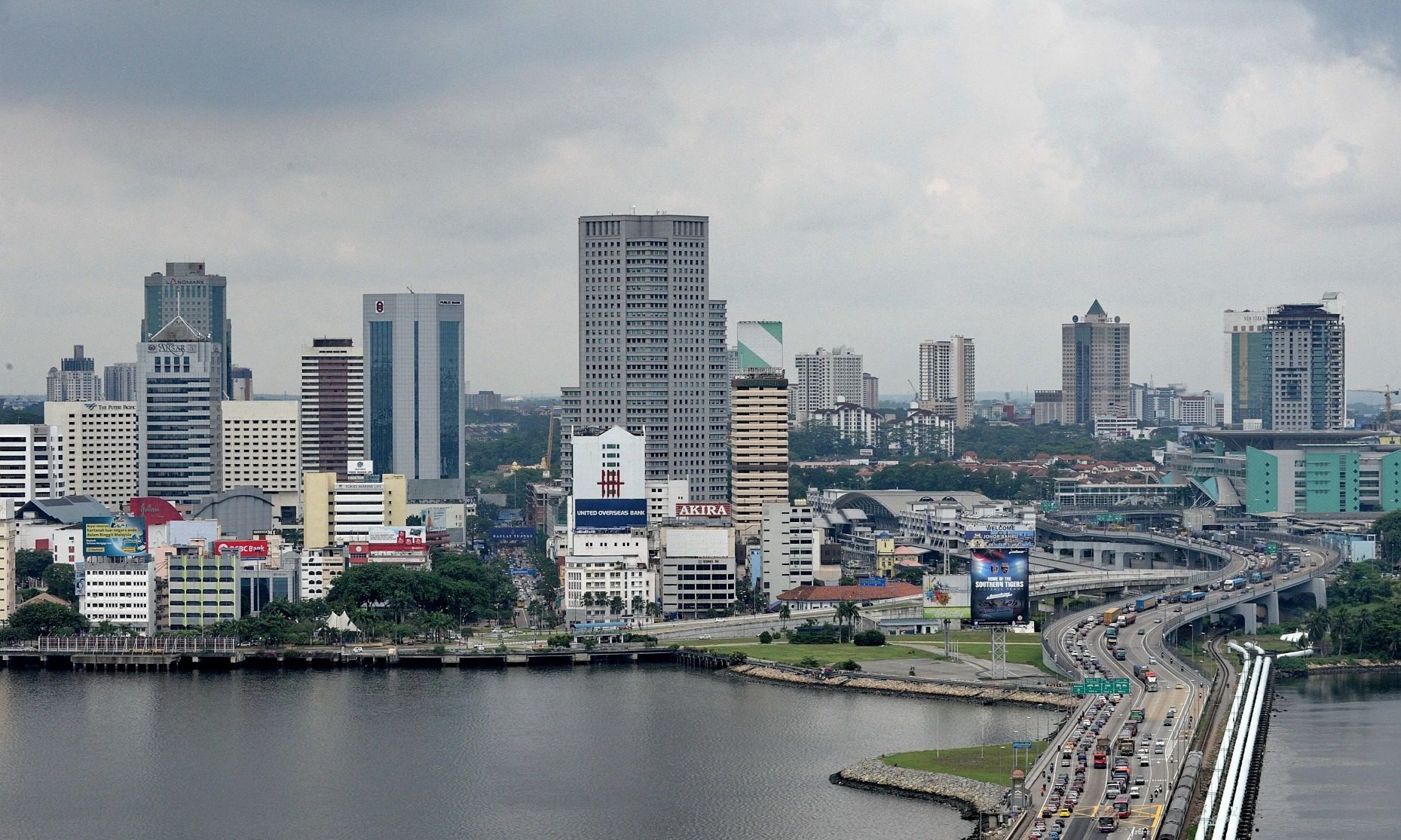
Johor Bahru, located just across the border from Singapore, is connected to the city-state by the Johor–Singapore Causeway, one of the world’s busiest land crossings. The route handles more than 350,000 travelers daily, including Malaysians commuting to work and Singaporeans crossing over for more affordable goods and services.
This situation underscores the complex interplay between local businesses, consumer behavior, and regulatory oversight in a region characterized by cross-border interactions. As the community navigates these challenges, the need for clear communication and fair practices becomes increasingly important.