







The Debate Over a Minimum Wage Increase in Australia
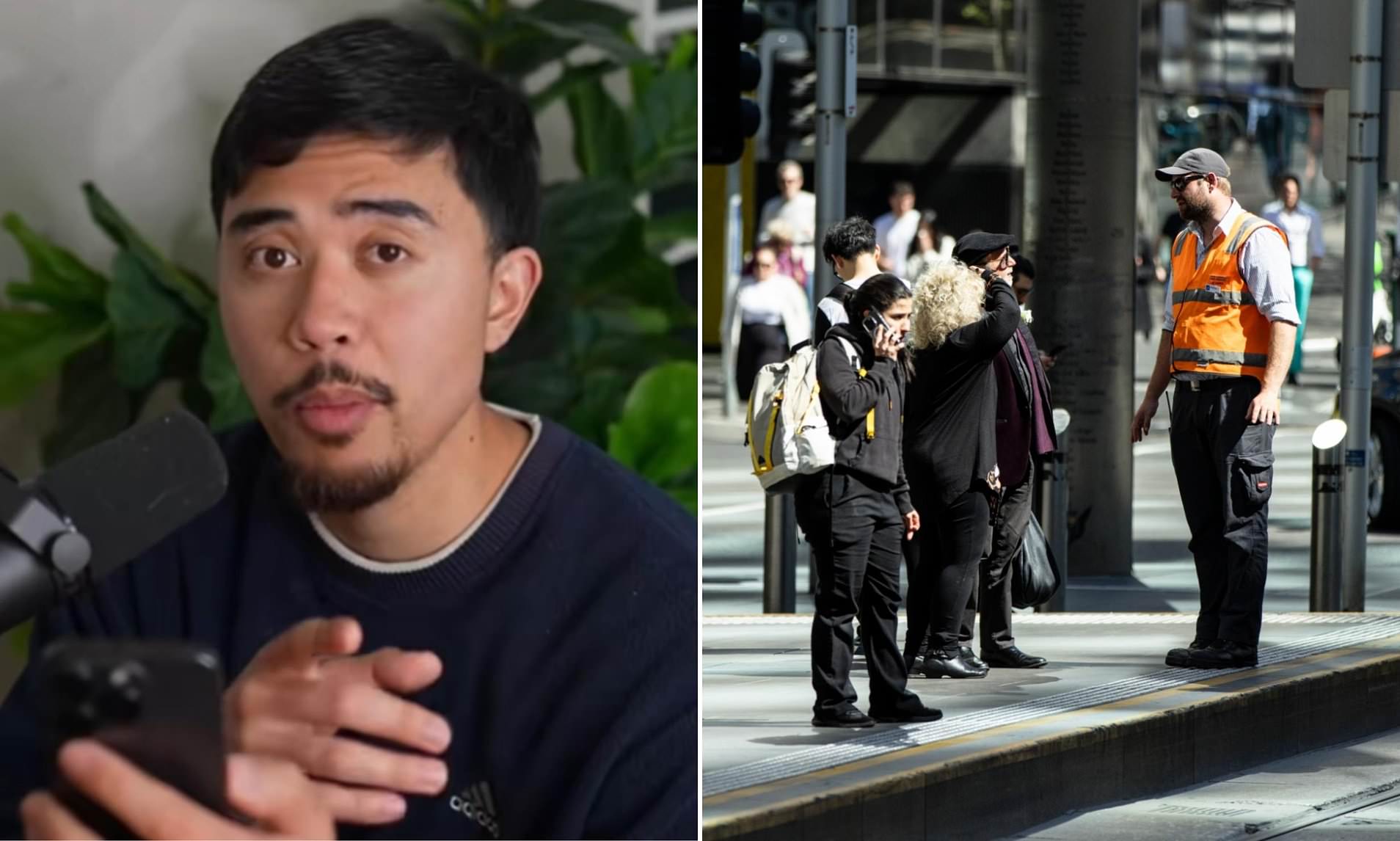
A recent call for a significant increase in the minimum wage has sparked a heated debate across Australia. A business and finance expert, AJ Clores, has proposed that the minimum wage should be raised to an astonishing $76 per hour. His argument is based on the need for Australians to afford basic necessities, particularly housing.
Clores believes that this substantial increase is necessary to align wages with the cost of living, which has risen dramatically over the years. He argues that the minimum wage should reflect what it could buy in the 1950s, when a single income was sufficient to cover a mortgage, bills, groceries, a family car, and even occasional holidays. At that time, owning a home wasn’t a dream; it was simply a result of working hard.
In the 1950s, the median house price was around $7,150, which was just over double the average income. Today, the situation is vastly different. The median house price across the country has soared to $912,563, with even higher figures in cities like Sydney, where the median price reaches $1,525,956. This means that house prices are now about 13 times the average income, making homeownership increasingly out of reach for many Australians.
Clores points out that couples working full-time jobs still struggle to afford their own homes and are often forced to rent. He describes the idea of buying a home as chasing smoke, emphasizing that the issue isn’t about laziness or irresponsibility but rather a system that has been rewritten to favor those with more resources.
Social media reactions to Clores’ proposal have been mixed. Some argue that raising the minimum wage would not address the root causes of high housing prices. One user commented, “Wages aren’t set by housing prices, and raising wages would only drive up demand for houses and thus prices.” Others suggested that the real issue lies in the dominance of the housing and job markets by wealthy individuals who prioritize their own interests.
On the other hand, some supporters of Clores believe that $76 per hour should be the new standard, though they acknowledge the challenge of achieving such a change. One user remarked, “It should be, but it’ll never be,” while another added, “We have no chance unless we revolt and start over.”
Humorous comments also emerged, with one joking about the impact of such a wage increase on everyday items like a 2L milk, highlighting the skepticism surrounding the feasibility of the proposal.
The Australian Property Institute’s (API) Valuation Report, released in May, presents a bleak outlook for first-time homebuyers in Sydney. Fifty years ago, a median-priced home in the city cost 4.2 times the average worker’s salary. By 2015, that figure had climbed to 11.1 times the average income. With the average Australian salary last year at just under $103,000 and a median home price nearing $1.34 million, the disparity between income and housing costs continues to widen.
This growing gap underscores the urgent need for solutions that address both wage stagnation and housing affordability. As the debate continues, the question remains: how can Australia ensure that its citizens can afford to buy a home without sacrificing their quality of life?