







The Struggle for Basic Healthcare in Idi-Iroko Onigbedu
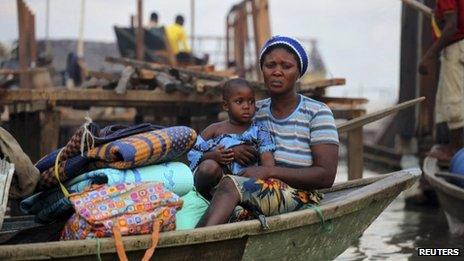
Access to basic healthcare in Idi-Iroko Onigbedu, a border community in the Ipokia Local Government Area of Ogun State, remains a luxury that residents have never enjoyed due to years of government neglect. This remote settlement faces significant challenges, including a lack of transportation, inadequate medical facilities, and limited access to essential services such as antenatal care and life-saving vaccines.
A Tragic Night of Labour
When labour pains struck Anu Okunade on a cold night in 2022, her screams pierced the stillness of Idi-Iroko Onigbedu. What was supposed to be a moment of joy quickly turned into chaos. Her husband ran from house to house, barefoot and breathless, calling for help. However, the community’s lack of infrastructure made it impossible to find assistance. Fuel scarcity, caused by a previous fuel ban, had left motorcycles idle and transportation nearly impossible. For over two hours, he searched for a way to get his wife to the nearest hospital. Eventually, a friend agreed to help, but the journey was long and perilous. By the time they reached the hospital, Anu’s baby did not survive. The emotional trauma of losing her first child continues to haunt her.
Repeating Trauma
Three years later, Anu found herself in a similar situation during her second pregnancy when she wanted to deliver twins. The same struggle with transportation and limited resources led to another near-tragedy. One of the twins almost died due to the delay. These experiences are not isolated; many women in the community face similar challenges.
Stories of Loss and Survival
Rebecca Adeyemi also experienced a heartbreaking loss. During her childbirth, she waited for help that never came. The functional medical centre was over two hours away, and without an ambulance or clinic, she relied on a neighbor who eventually brought her to the hospital. Unfortunately, it was too late, and her baby did not survive. These stories highlight the deep-seated issues in the community, where the absence of proper healthcare has become a norm.
The Absence of Healthcare Facilities
Idi-Iroko Onigbedu is home to over 500 residents but lacks a hospital, clinic, or even a basic health outpost. The village lies in a natural basin of neglect, surrounded by other remote settlements. Residents often have to travel long distances to reach the nearest functioning hospitals, which are located far from their homes. This lack of accessibility leads to dire consequences, as many individuals do not receive timely medical attention.
Reliance on Traditional Medicine
In the absence of proper healthcare, many residents turn to traditional remedies. Herbal treatments are commonly used to address various ailments, but these methods are often insufficient for serious conditions. Women, in particular, face significant risks as they rely on age-old remedies to manage complications during childbirth.
Near-Death Experiences
Near-death experiences are common in Idi-Iroko Onigbedu. Families often spend large sums on transportation to reach hospitals in nearby towns, sometimes traveling over 90 minutes on treacherous roads. The cost of hiring a motorcycle can range from N3,000 to N7,000, depending on availability and time of day. Many families cannot afford these expenses, leading to tragic outcomes.
The State of the Health Centre
The nearest government facility, the Primary Health Centre in Ita-Egbe, is in a terrible state. The structure is hidden among tall weeds, with walls that bear deep cracks from years of neglect. The facility lacks proper equipment, medicine, and trained personnel. Despite claims from the nurse on duty that the center can manage most cases, residents describe it as a “shell” that does not provide adequate care.
No Regular Antenatal Attendance
For pregnant women in Idi-Iroko Onigbedu, antenatal care is a privilege they cannot afford. The journey to the nearest functioning health centre is both long and expensive. Many women cannot afford the costs associated with regular check-ups, leading to a lack of consistent prenatal care. This absence of support increases the risk of complications during pregnancy and childbirth.
National Context
Nigeria has one of the highest maternal and infant mortality rates in the world. According to global health agencies, approximately 75,000 women die annually from pregnancy-related causes, with one woman dying every seven minutes. In rural communities like Idi-Iroko Onigbedu, these statistics reflect lived experiences, as many women lose their babies due to lack of access to healthcare.
Calls for Intervention
Community leaders in Idi-Iroko Onigbedu have called for urgent intervention from the government. They lament decades of broken promises and widespread suffering. Despite numerous appeals, the community remains neglected, with no significant improvements in healthcare, education, or infrastructure.
Government Response
The Chairman of the Ipokia Local Government Area, Johnson Avoseh, stated that his administration is committed to equitable development across all communities. He acknowledged the challenges of catering to a large rural population but emphasized that efforts are being made to improve healthcare delivery through upgrades and re-equipment of health facilities. The local government is working in phases, prioritizing areas based on available resources and urgent needs.
Conclusion
The situation in Idi-Iroko Onigbedu highlights the critical need for improved healthcare access and infrastructure in rural communities. Without significant intervention, the cycle of neglect and tragedy will continue, affecting generations of residents. The government must prioritize the needs of these communities to ensure that every individual has access to basic healthcare and essential services.