








China’s Shift in Rare Earth Quota Transparency Sparks Global Concerns
China has reportedly stopped publishing details of its rare earth mining and refining quotas, a significant departure from its usual practice. This move could intensify the ongoing tensions between the US and China in their trade war. While Beijing has already issued the first batch of quotas for this year to two rare earth producers, the information was not made public, and key details about the quotas remain unclear.
According to reports from Chinese media, there are indications that China may no longer disclose specific quota amounts for rare earth mining and refining in the future. This decision comes as the strategic importance of the rare earth industry continues to grow.
Normally, Chinese authorities release details of annual mining and refining quotas at several points throughout the year. These quotas are crucial for companies around the world to plan their strategies effectively. For example, last year, China issued two batches of quotas, with the final one coming on August 20. In 2023, three batches were released in March, September, and December, respectively.
Analysts suggest that the delay in publishing this year’s information might be a deliberate strategy. Rare earths are considered a key source of leverage for Beijing as it engages in negotiations with Washington over a deal to end the tariff war. The lack of transparency could disrupt planning efforts in Washington, Brussels, and Tokyo, where industries rely heavily on Chinese processing and export licenses.
Western buyers have been increasing their rare earth inventories in recent weeks, according to a research note from China Post Securities. This trend follows a slowdown in shipments from China, which raised concerns in the US and Europe earlier this summer. Meanwhile, China has advised foreign companies not to stockpile rare earth materials and derivative products like magnets, as reported by the Financial Times.
Beijing’s actions to prevent companies from building up large rare earth inventories are seen as an effort to maintain maximum leverage in the sector. By controlling inventory levels, China can respond more flexibly to shortages and price fluctuations. The first batch of mining and refining quotas for 2025 was issued to two producers—China Rare Earth Group and China Northern Rare Earth—but the exact quota amounts remain unknown.
This development occurs against the backdrop of a broader stand-off between China and the US over various trade and technology issues. The two sides have yet to reach a long-term deal to roll back tariffs. China’s dominance in the global supply chain for rare earth elements has allowed it to use export controls as leverage in negotiations with the US. This control was reportedly a factor in Washington’s decision to slightly loosen its restrictions on the export of advanced chips to China.
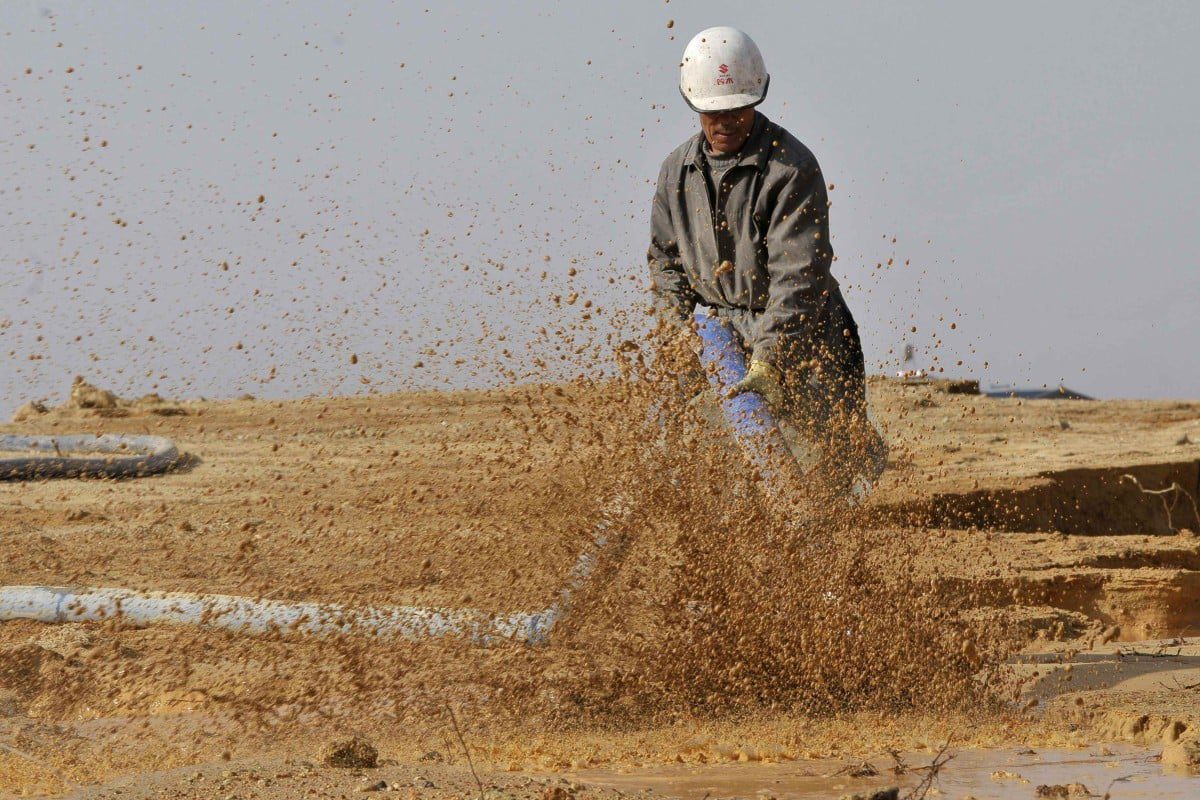
Rare earths are essential for the production of high-tech products, including electric vehicles and advanced weaponry. Beijing has maintained strict top-down control over the sector, further tightening its supervision in recent years. Since 2006, China has imposed production limits on local governments to curb excessive mining. A decade later, the system was tightened, with quotas allocated directly by the central government to state-owned rare earth companies, typically in two rounds per year.
In 2024, the government approved a combined 270,000 tonnes of mining quotas, marking a 6% increase from 2023. However, this growth was significantly slower than the previous year’s 21% increase. Refining and separation quotas also rose by 4% year on year to reach 254,000 tonnes, a sharp drop from the previous year’s 21% uptick.
In addition, China has intensified its crackdown on rare earth smuggling since May. This followed the addition of seven critical minerals to its export control list in retaliation against US tariffs. In July, it announced that “a number of suspects” had been arrested for trafficking critical minerals.
The evolving dynamics in the rare earth sector underscore the growing geopolitical significance of these materials. As both China and the US continue to navigate their complex relationship, the control and transparency of rare earth supplies will remain a focal point of international concern.