









The Rise of AAM in Nepal: A New Era of Transportation
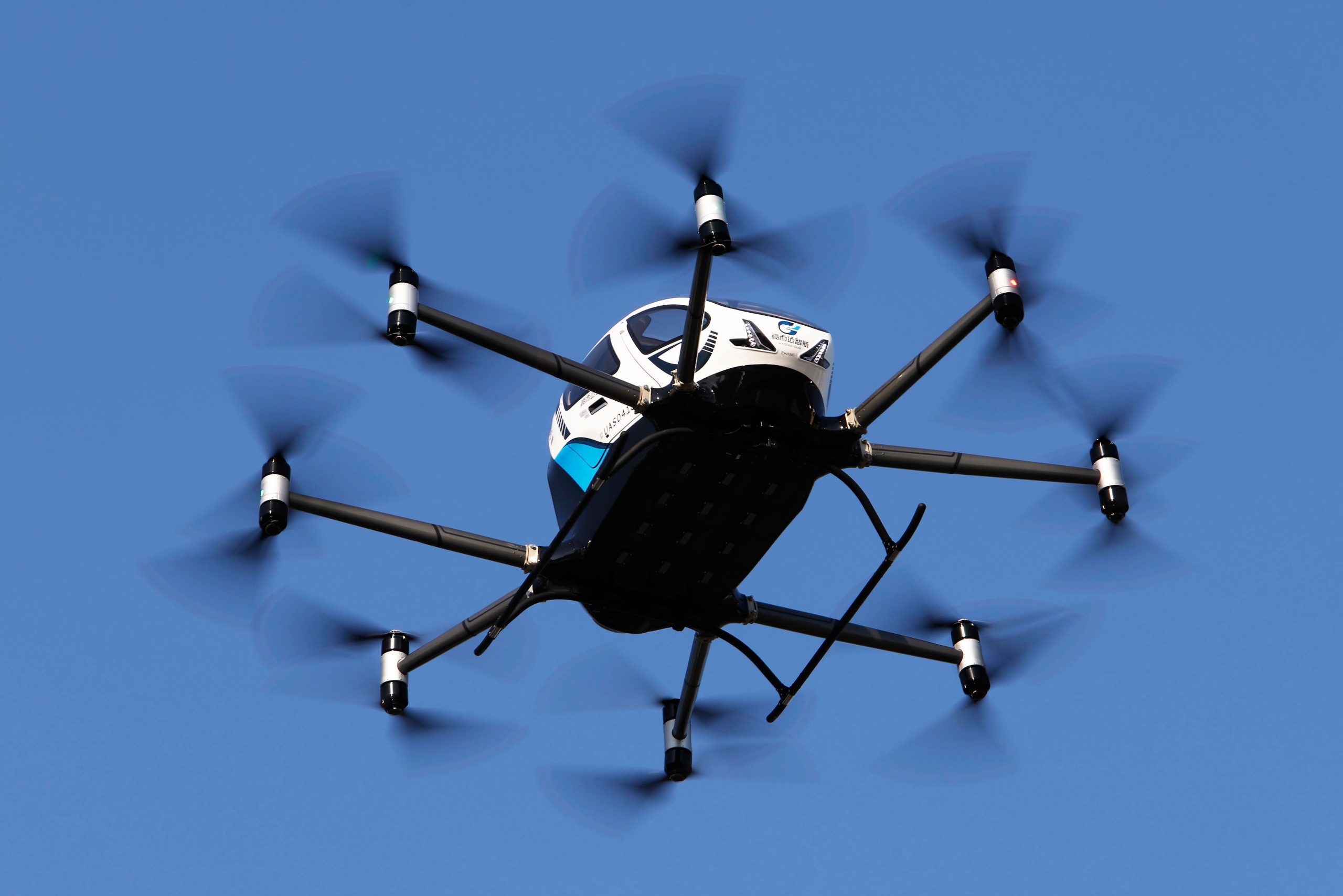
Nepal is witnessing a surge of excitement as the NADA Auto Show 2025 in Kathmandu prepares to showcase an eVTOL (electric Vertical Take-Off and Landing) aircraft. This innovation, part of the broader Advanced Air Mobility (AAM) movement, represents a significant step towards redefining transportation in a country with challenging geography.
The exhibition highlights the potential of AAM to transform mobility by offering solutions that can bypass traditional infrastructure limitations. While the concept is promising, the journey from idea to implementation is complex and requires careful planning and execution.
Global Landscape of AAM Development
AAM marks a significant shift in aviation technology, with the potential to revolutionize how people and goods move. These vehicles operate at lower altitudes and shorter ranges, requiring minimal infrastructure and maintenance. They promise cleaner, safer, quieter, flexible, and cost-effective transport compared to conventional methods.
Over 267 cities and regions across 63 countries are either planning or piloting AAM initiatives. Commercial launches are anticipated in several countries, including the United States, China, South Korea, France, Japan, and Saudi Arabia, by 2026. The development of various eVTOL models is progressing rapidly, alongside the establishment of essential infrastructures like vertiports.
As of February 2025, 1,504 vertiports are planned globally, showing a significant increase from 1,004 in September 2024. China leads this initiative, accounting for over 50% of all projects. Leading aviation authorities have released a joint AAM roadmap to guide certification, coordination, regulation, and social acceptance of air taxis and drone operations.
Several companies have made strides in this field. For example, South Korean company OPPAV conducted a successful flight test of its manned-unmanned eVTOL in 2023, while Chinese Ehang’s EH216-S received certification for passenger use. These developments underscore the global momentum toward pilotless air mobility.
Market forecasts indicate substantial growth potential for AAM. The global AAM market was valued at USD 11.5 billion in 2024 and is expected to reach USD 73.5 billion by 2034. Regulatory sandbox environments for flight testing and public-private partnerships with major eVTOL manufacturers are helping drive this growth.
Transformative Potential for Nepal
Nepal’s rugged terrain and frequent natural disasters pose significant challenges to connectivity. Dispersed rural settlements and unreliable transport infrastructures exacerbate these issues. Roads are often difficult to build and maintain due to harsh topography and frequent disasters. Air travel remains crucial but is constrained by limited infrastructure, topography, and weather conditions.
AAM offers a game-changing solution to these challenges. It provides an agile and environmentally friendly option that can bypass damaged or non-existent roads and operate in previously unreachable areas. This could improve healthcare by enabling rapid deployment of medical supplies and personnel, including emergency evacuations.
The technology also accelerates economic activities by providing market access to local producers and farmers. It supports tourism by connecting previously isolated tourist attractions. AAM could enhance disaster preparedness and response through timely deployment of essentials during incidents, along with aerial surveillance and firefighting capabilities.
Being emission-free and quieter, AAM vehicles offer environmental advantages. Nepal could leverage its abundant hydropower potential for charging eVTOLs, unlike other countries still relying on polluting electricity sources. Additionally, AAM presents a platform for innovation and skills development, particularly for Nepal’s youth population, who can develop expertise in AAM pilots, technicians, and drone engineers.
Challenges to AAM Adoption in Nepal
Despite the promising prospects, the successful adoption of AAM in Nepal faces several challenges. The absence of a legal and institutional framework, robust airspace management provisions, and safety protocols, including pilot licensing for operating eVTOLs and autonomous aircraft, could hinder timely adoption.
Nepal may face difficulties in operating eVTOLs at higher altitudes to meet rural connectivity needs, as most commercial eVTOLs are designed for urban settings. Battery efficiency and lift capacity could be affected by climatic conditions and weather patterns. The limited range and payload of current models may restrict their usefulness for longer or heavier routes in Nepal’s challenging landscapes.
Essentials such as vertiports, reliable 5G connectivity, dedicated charging stations, and robust electric grids, especially in rural and remote areas, could further delay implementation. A lack of technical expertise and workforce in AAM technologies creates a barrier to successful adoption. Building domestic expertise will require substantial investment in education and training.
Moreover, the high startup costs for aircraft procurement, infrastructure development, and workforce training could affect investment decisions in a financially weak country like Nepal. Low public awareness about this emerging technology may result in public mistrust and reluctance in adopting aerial mobility services.
What Can Nepal Do?
Given Nepal’s technical, financial, and human resource constraints, an incremental approach with extensive international collaboration is necessary to harness the full potential of AAM. A dedicated task force under the Ministry of Culture, Tourism and Civil Aviation (MoCTCA), in collaboration with key line ministries, could ensure cross-sector alignment.
A National AAM Roadmap could set a clear timeline and organize necessary resources. Adopting available guiding materials like the Asia-Pacific AAM Reference could facilitate regulatory planning and governance. International collaboration and private sector engagement are key to leveraging AAM’s potential. Regional and global engagement with AAM adopters and pioneers could help gain momentum.
Partnering and promoting the private sector via tax incentives and regulatory arrangements could assist research and development of technology compatible with Nepal. The government should focus on implementing pilot projects in collaboration between CAAN, Nepal Army, academic institutions, and the private sector with regulatory sandboxes to ease testing in early stages.
For initial deployment, prioritizing medical logistics and disaster response could be beneficial. Infrastructure readiness requires planning and investing in vertiports and dedicated charging stations at strategic locations. Timely investment in training programs for the necessary workforce is essential for seamless deployment.
The expected exhibition of eVTOL symbolizes Nepal’s interest in next-generation mobility but also highlights the gap between aspiration and readiness. Addressing these challenges will be critical for realizing the transformative potential of AAM in the country.