

A Legacy of Patriotism and Family Influence
In a wide-ranging interview, Hong Kong’s commerce minister Algernon Yau Ying-wah shared insights into the profound impact his family has had on China’s modern history. His grandfather, Qiu Fengjia, played a significant role in shaping cross-strait relations during a pivotal period in Chinese history.
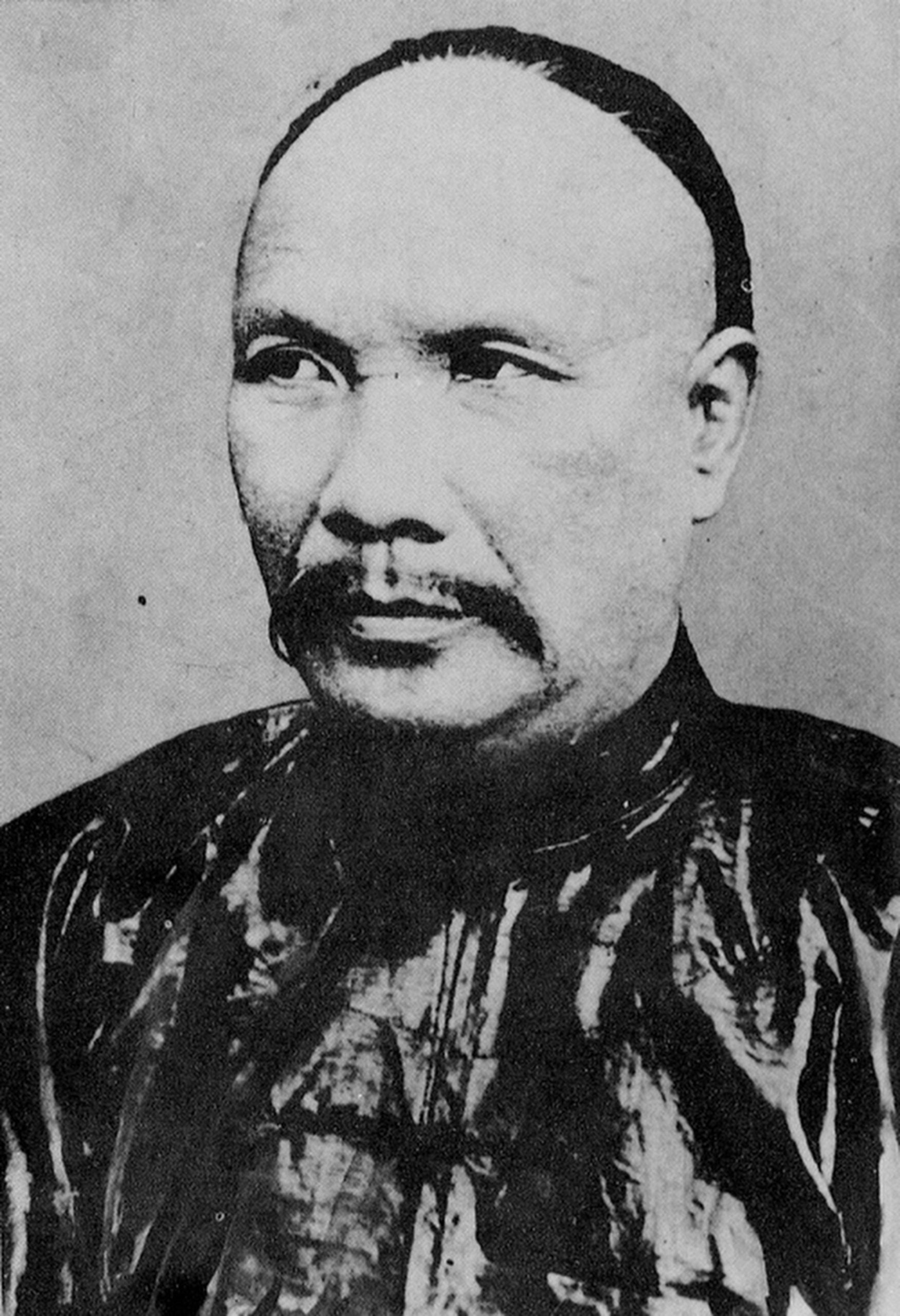
Yau, who was born in 1958, spoke about how his views have been shaped by his revolutionary grandfather. Qiu Fengjia, a Chinese politician, educator, and poet born in Taiwan in 1864, was known for his support of the nation during the First Sino-Japanese War in the 1890s. His actions during this time reflected a deep sense of patriotism and commitment to protecting China’s sovereignty.
The Grandfather’s Impact
Yau described his grandfather as someone who deeply loved Taiwan. He mentioned that Qiu Fengjia wished to see Taiwan reunite with mainland China. This desire was symbolized by the direction of his grave, which faces south toward Taiwan. “He wished to see Taiwan return to the mainland,” Yau said.
Despite never meeting his grandfather, who died in 1912, Yau has visited Qiu’s tomb in Jiaoling county, Guangdong province. He recounted how his grandfather sold all the family’s silver and assets to raise funds for Chinese troops fighting in the First Sino-Japanese War. “My grandfather took the lead to fight against the Japanese, to protect the sovereignty of the Qing dynasty,” he said.
However, the war ultimately led to China handing over Taiwan to Japan. In response, Qiu Fengjia fled to Fujian and later Chaozhou, where he established schools to promote modernized education as a means of saving China. He became a supporter of the 1911 revolution led by Sun Yat-sen, which ended the Qing dynasty’s rule.
A Family Legacy
Yau also spoke about his father, Yau Zan, a senior military officer in the Kuomintang during the country’s civil war. Unlike many of his contemporaries, Yau Zan chose not to follow Chiang Kai-shek to Taiwan after 1949, instead moving to Hong Kong. Other members of Qiu’s family line settled in Taiwan, where they became wealthy.
“I am not rich,” Yau said. “If I were born in Taiwan, I could have become a government official, say, a senior government official in Taiwan as well.” He added that if he had been born on the island, he would have likely enjoyed a more comfortable life, driving a luxury car or even migrating to the United States.
Career and Contributions
Before entering public service, Yau built a career in the airline industry. He served as CEO of Greater Bay Airlines and previously held the position of chief executive at Cathay Dragon, which is now defunct. Yau expressed satisfaction with his work in government over the past three years, despite the high pressure and responsibilities of his role.
“I have to say I could do it better, but at least I’m able to achieve it without failing,” he said. His passion for public service has driven him to contribute to the development and benefit of China.
A Personal Connection
Yau will be joining a Hong Kong delegation heading to Beijing for a military parade on September 3 to mark the 80th anniversary of victory in the Chinese people’s war against Japanese aggression and the world anti-Fascist war. He described this as a personal connection, noting that “maybe it’s in my blood, which has a lot of influence on how I perceive things and how I perceive China.”
Through his family’s legacy and personal experiences, Yau continues to shape his perspective on China’s past and future, reflecting a deep-rooted commitment to national unity and progress.