







The Evolving Dynamics of Eurasia
While the United States continues to shape global politics, its policies have inadvertently brought China, Russia, and India closer together, creating a complex web of alliances and rivalries in Eurasia. This region, often considered the heart of global power dynamics, is marked by both cooperation and contradictions.
The Shanghai Cooperation Organisation (SCO) summit, set to begin on August 31 in Tianjin, represents an opportunity for Beijing to strengthen its political, economic, and military ties with various nations across the Global South. These countries maintain strong relationships with Washington, yet they are increasingly looking towards alternative partnerships.
A Shift in Geopolitical Alliances
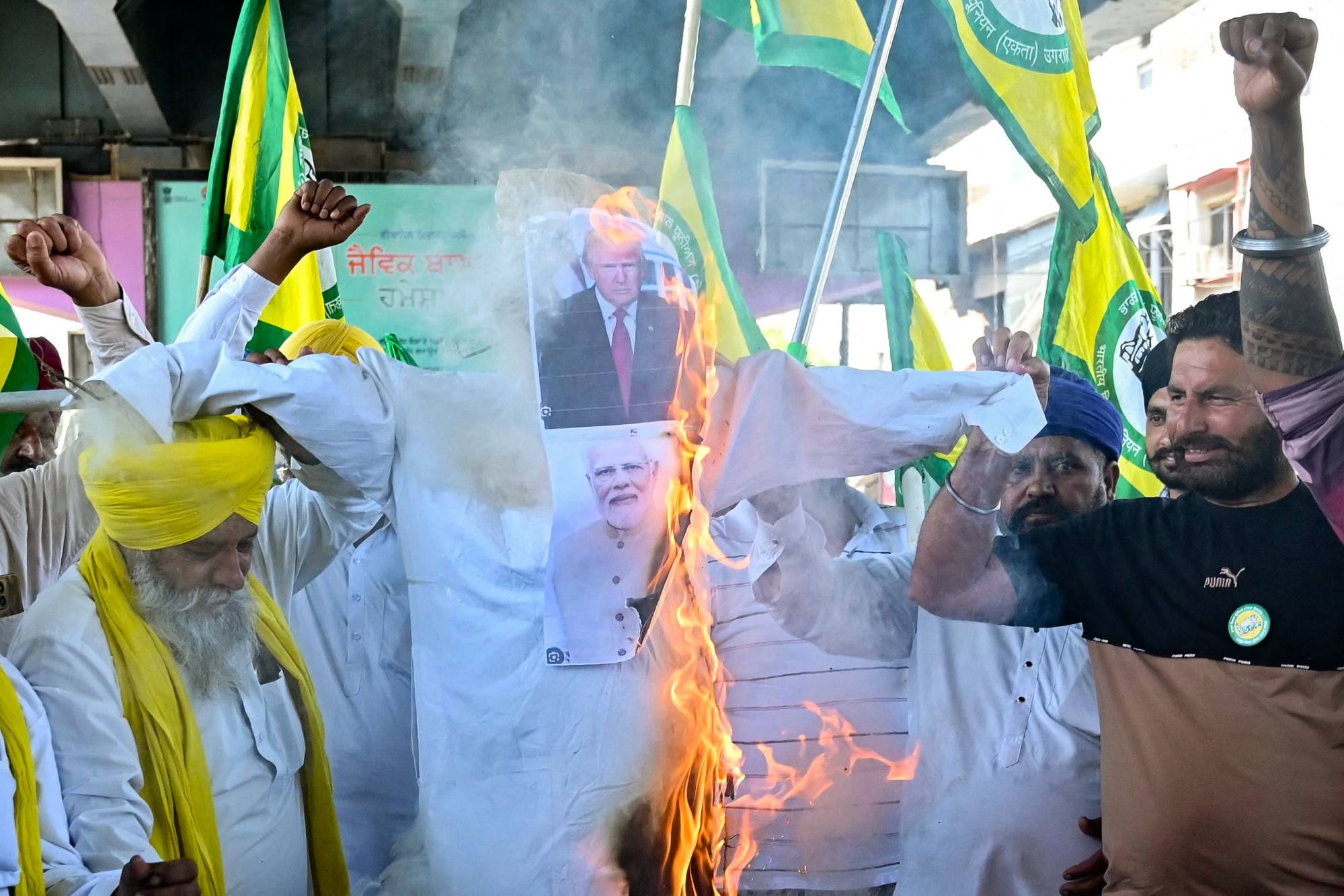
Under the Trump administration, tariff policies have strained U.S.-China relations, pushing India, a regional rival of China, to seek closer ties with Beijing. Despite historical defense partnerships with the United States, India has found itself navigating a delicate balance between its traditional allies and emerging powers.
India’s participation in the SCO summit this year marks a significant shift. Last year, Prime Minister Narendra Modi skipped the event, but after increased tariffs imposed by the U.S. over India’s purchase of Russian oil, he confirmed his attendance. For Beijing, this is a diplomatic win, highlighting the growing influence of China in the region.
Strategic Realignment in Eurasia
India and China have seen a surge in trade, reaching $136 billion in 2023, while Russia has become a major supplier of energy to China. These developments suggest a broader strategic realignment in Eurasia, one that could gradually diminish American influence in the region.
However, the SCO, which includes members like Russia, Iran, India, Pakistan, and recently Belarus, is not a unified bloc. Unlike NATO or the European Union, it lacks clear ideological alignment. Instead, it is a diverse group of nations with varying geopolitical strategies.
The Role of the SCO
The SCO was founded in 2001 by China, Russia, and several Central Asian states. Over time, it has grown into the largest regional multilateral organization by population and geographic area. Its expanding membership reflects its increasing significance in global affairs.
Despite its growth, the SCO remains difficult to define. It is neither purely economic nor a security alliance. Its members pursue different strategies, some opposing Western dominance while others maintain strong ties with Washington and Brussels.
Balancing Act in Central Asia
For Central Asian states, the SCO offers a mechanism to balance between regional powers like China and Russia while pursuing a “multi-vector” foreign policy. They still lean towards the West, but the organization provides a platform for dialogue and cooperation.
At last year’s summit in Astana, Kazakhstan, it was evident that China, not Russia, was the main focus. President Xi Jinping received a warmer welcome than other leaders, reflecting Beijing’s growing role in the region.
Challenges for the SCO
Despite its potential, the SCO faces challenges. It lacks strong institutional capacity, and decisions require consensus, making it difficult to launch major projects. Recent meetings have highlighted these issues, with India refusing to sign a joint statement due to its stance on Pakistan.
Proposals for an investment fund and a development bank modeled on the BRICS New Development Bank or the Asian Infrastructure Investment Bank have yet to materialize. As a result, most economic cooperation within the SCO framework remains bilateral.
Future Prospects
In the foreseeable future, the SCO will likely continue as a platform for strengthening bilateral ties. It can also help members achieve their geopolitical goals. For Russia and Belarus, it provides a stage to show they are not isolated from the world. For China, it is a tool to project influence and promote connectivity.
For Central Asian states, the SCO serves as a balancing mechanism. For India and Pakistan, it is a rare platform where they can coexist. For Iran, it is a channel to break diplomatic isolation.
Each member has its own reasons for being part of the SCO, which is why the organization persists despite its contradictions. However, to increase its influence globally, the SCO must find ways to build consensus on key issues, launch joint economic projects, and potentially mediate regional conflicts.
In a world where leaders like Trump position themselves as peacemakers, achieving these goals may be easier said than done. Yet, the evolving dynamics of Eurasia suggest that the SCO will continue to play a vital role in shaping the region’s future.