









Apple’s First Foldable iPhone: A Major Shift in Design and Technology
Apple, known for its innovative approach to smartphone design, is reportedly working on its first-ever foldable iPhone. This development marks a significant departure from the company’s traditional product lineup and could potentially redefine the future of mobile technology. According to recent leaks, the device, referred to as the “iPhone Fold,” is expected to bring several groundbreaking changes that could set it apart from competitors.
Key Features and Design Changes
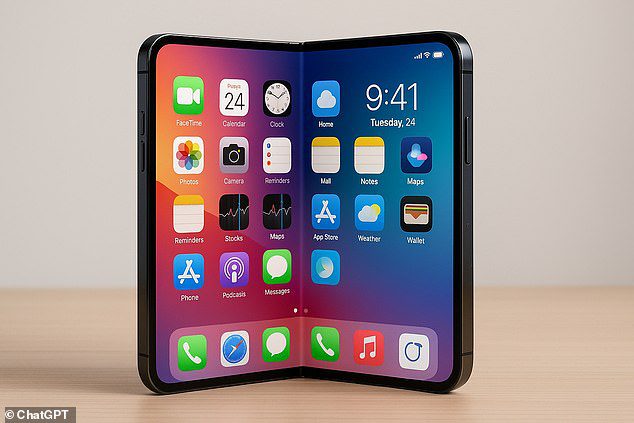
One of the most notable aspects of the iPhone Fold is its potential design. Unlike earlier rumors that suggested a vertical flip-phone style, Apple is likely going with a horizontal book-style design. This means the foldable iPhone will resemble Samsung’s Galaxy Z Fold 7 more closely than other models like the Motorola Razr 60 Ultra. The new design is expected to feature a barely noticeable crease, thanks to advanced screen technology.
Another major change involves the removal of Face ID. Instead, the iPhone Fold is rumored to use Touch ID, which relies on a fingerprint reader for unlocking the device. This shift is attributed to the need for smaller sensors to fit into Apple’s ultra-thin design. Additionally, the device may eliminate the SIM slot entirely, relying solely on eSIM technology.
Camera and Performance Enhancements
The iPhone Fold is also expected to come equipped with four cameras. These include two on the back, one on the front display, and another on the inner display. The main cameras are speculated to have a resolution of 48 megapixels, matching the performance of the iPhone 16 Pro. This would ensure that the foldable model maintains the high standards of image quality that Apple users have come to expect.
Technological Innovations
Apple is reportedly using an in-cell touch screen for the iPhone Fold, which differs from the on-cell touch sensor used in many other foldable devices. This technology eliminates the air gap between the screen and cover, resulting in a less visible crease and improved touch accuracy. This innovation is part of Apple’s ongoing efforts to refine the foldable experience and make it more seamless for users.
Color Options and Modem Chipset
In terms of aesthetics, the iPhone Fold is expected to be available in black and white. Additionally, there are reports that Apple may use its own C2 modem chipset instead of Qualcomm chips found in most smartphones. This move could provide greater control over the device’s performance and connectivity features.
Future Plans and Redesigns
According to industry analyst Mark Gurman, Apple’s plans for the iPhone Fold are just the beginning of a series of major redesigns. This includes the launch of the exceptionally thin iPhone Air alongside the iPhone 17 in September. The foldable iPhone is expected to follow in 2026, with the iPhone 20 set to arrive in 2027. The iPhone 20 is rumored to mark the 20th anniversary of the original iPhone and could feature a completely new design with curved glass edges.
Conclusion
As Apple prepares to enter the foldable smartphone market, the iPhone Fold represents a bold step forward. With its innovative design, advanced technology, and potential for high-end features, this device could challenge the dominance of existing foldable models. While many details remain speculative, the leaked information suggests that Apple is determined to deliver a product that could truly change the game. Whether it will live up to the hype remains to be seen, but one thing is certain: the smartphone landscape is about to get more exciting.