








Economic Concerns Rise as Job Growth Slows
Recent revelations about the US economy have sparked concerns among financial experts and policymakers. According to new data, the number of jobs added in the previous year was significantly lower than initially reported. This has led to a reevaluation of the economic landscape, with some experts warning that the country may be heading toward a period of economic weakness.
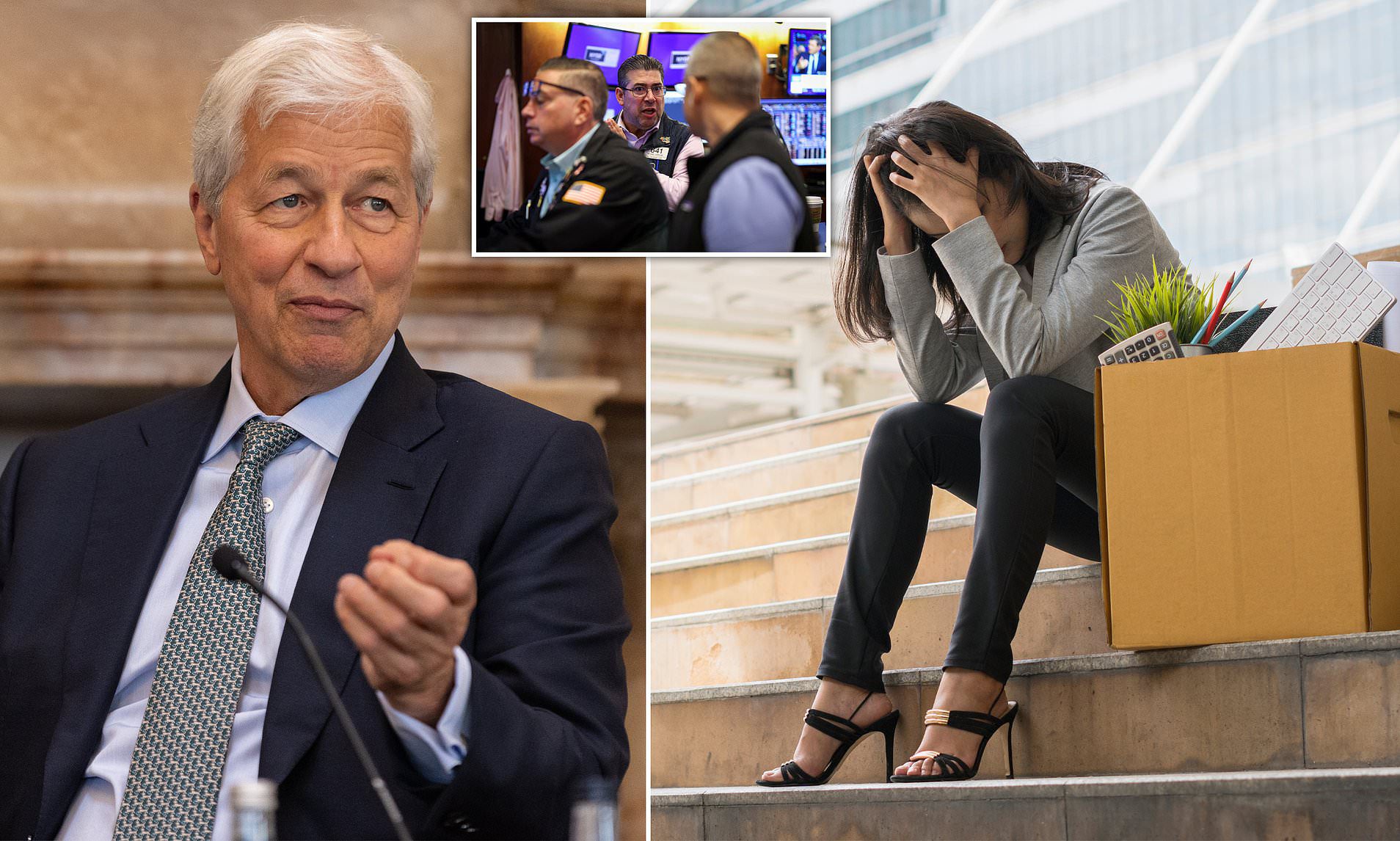
Jamie Dimon, CEO of JPMorgan, has expressed his concerns about the state of the economy. He stated that the US economy is “weakening,” citing the reduction in job creation as a key indicator. The latest figures show that 911,000 fewer jobs were added than previously thought, translating to an average of 76,000 fewer jobs per month. While Dimon acknowledged uncertainty about whether this signals a recession or merely a slowdown, he emphasized the importance of monitoring the situation closely.
Key Factors Influencing the Economy
Dimon pointed out that several factors are currently shaping the economy. While consumer spending has weakened, corporate profits remain strong. This contrast highlights the complexity of the economic environment. However, the overall trend suggests that the economy is under pressure, prompting increased scrutiny from investors and analysts.
The Federal Reserve is also expected to play a crucial role in addressing these challenges. Dimon suggested that the central bank will likely lower interest rates but noted that such measures might not have a significant impact on the broader economy. Recent statements from Federal Reserve Chair Jerome Powell indicate that a rate cut could occur at the next meeting, adding to the anticipation surrounding monetary policy decisions.
Warnings of a ‘Jobs Recession’
Economists like Mark Zandi, chief economist of Moody’s Analytics, have raised alarms about the potential for a “jobs recession.” Zandi argues that a labor recession is already underway, with the risk of pushing the entire economy into a downturn. He highlighted that layoffs have surged by 140% compared to the previous year, signaling a troubling trend.
Zandi warned that if businesses continue to lay off workers, the situation could escalate beyond a jobs recession into a full-blown economic crisis. He described the current state of the economy as being “clinging tightly to the lip of the cliff,” with only a few fingers remaining on the edge. He cautioned that even a small additional push could lead to a significant decline.
Regional Economic Disparities
Moody’s data reveals that nearly a third of the US is already in or at high risk of entering a recession. States such as Virginia, Connecticut, and Delaware, which contribute significantly to the national GDP, are particularly vulnerable. Zandi noted that government job cuts in the Washington, D.C. area have exacerbated the situation, highlighting regional disparities in economic health.
In contrast, states like Hawaii, New York, and California are maintaining stability, while another third of the economy continues to grow. These variations underscore the uneven nature of the current economic climate, with some regions experiencing resilience while others face significant challenges.
The Path Forward
As the economy teeters on the brink, the need for proactive measures becomes increasingly evident. While lowering borrowing costs may offer some relief, experts suggest that it may not be sufficient to prevent a recession. Investors have already anticipated potential rate cuts, which could limit their effectiveness.
The situation remains fluid, with ongoing assessments of economic indicators and policy responses. The coming months will be critical in determining whether the US can navigate these challenges and avoid a deeper economic downturn. For now, the focus remains on monitoring developments and preparing for potential shifts in the economic landscape.