



The Controversial Legislative Hearing on Prosecutorial Reform
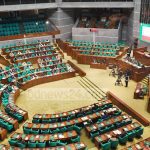
A recent legislative hearing on “prosecutorial reform” took place at the National Assembly’s Judiciary Committee. These hearings are typically designed to gather input from experts and stakeholders on proposed legislation. However, this particular session appeared more like a political rally, with a clear focus on condemning the prosecution.
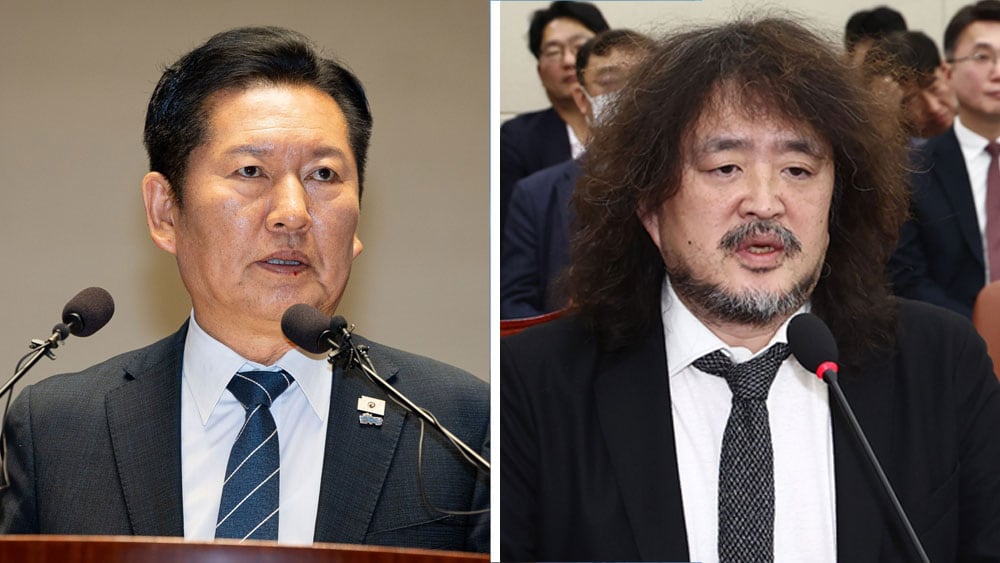
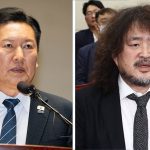
The hearing became a platform for pushing ongoing investigations, such as the case involving the missing “Gwanbong-gwon badge” and allegations of manipulating inter-Korean remittances. Most of the time was spent by Democratic Party-affiliated witnesses criticizing prosecutors who investigated them. Out of 18 witnesses and reference persons, only one—Jung Jae-gi, a lawyer from the opposition party—represented the People Power Party.
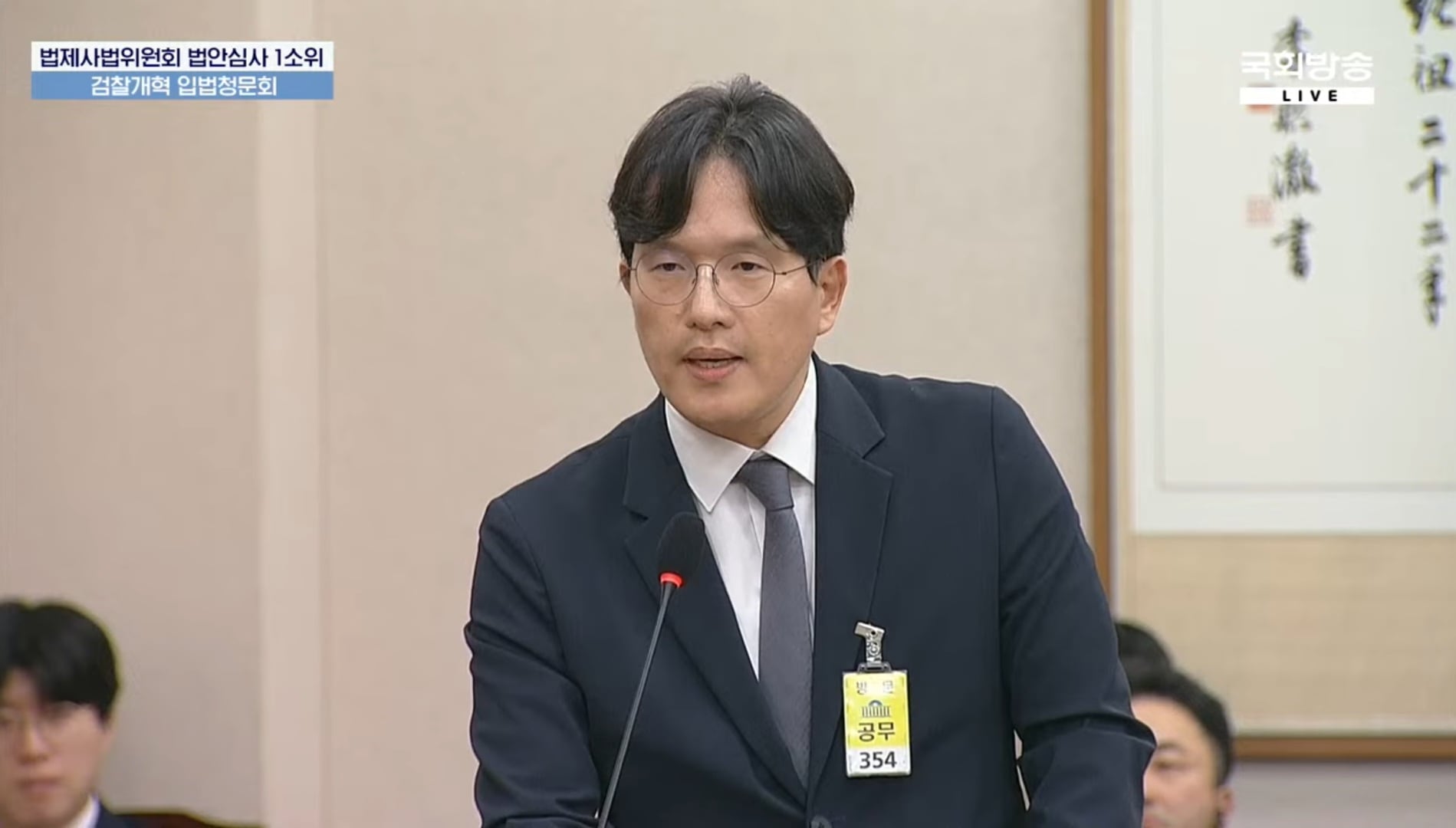
Jung shared his experience during an interview, stating that the hearing felt like a staged play where the Democratic Party only asked and heard what they wanted. He received a request to appear as a reference person about ten days prior, but he never received a single question. Instead, ruling party lawmakers were focused on demanding answers about the Gwanbong-gwon badge, while People Power Party lawmakers left midway, calling it an “unconvincing hearing.”
The Atmosphere and Impact of the Hearing
The atmosphere during the hearing was described as resembling a theater performance. Democratic Party lawmakers had witnesses and reference persons recite answers as if reading from a script. The session wasn’t about evaluating the effectiveness of prosecutorial reform but rather highlighting that “the prosecution is incompetent.” Junior investigators, recently appointed, were berated, and they apologized for their alleged mistakes under pressure.
Jung expressed his sorrow during his one-minute speaking opportunity, criticizing how discussions focused solely on abolishing the prosecution office due to the misconduct of a few political prosecutors. He emphasized that destroying the constitutional mandate of the prosecution to protect human rights because of a minority’s deviation is a grave violation of the rule of law.
Changes in Investigative Powers
Since the adjustment of investigative powers between the prosecution and police, Jung observed significant changes on the ground. In one case he handled, a complaint filed at a police station over a year ago still couldn’t determine its status. Even when the prosecution requests supplementary investigations, the police often avoid responsibility, stating it’s not their job anymore.
Civil cases such as jeonse fraud or voice phishing remain stuck in police station cabinets. Without prosecutors overseeing investigations, case handling has become inconsistent. In a voice phishing case with multiple victims, some were charged under organized crime laws, while others faced simple fraud charges. Investigations by police stations nationwide are now haphazard, with overwhelmed police unable to properly apply charges—a situation unheard of in the past.
Implications of Prosecutorial Reform
Jung believes that the prosecutorial reform will benefit only wealthy and powerful criminals. The reform bill includes too many “procedures for procedures,” leading to a proliferation of investigative agencies. A “National Investigation Committee” will also be created to monitor and deliberate, which may prioritize procedural complexity over substantive truth-finding.
Those who can afford continuous legal representation can delay investigations by repeatedly filing objections and requesting deliberations. Conversely, civil cases involving small sums may remain unresolved due to backlogs. Cases between police and prosecution will increasingly stall in a “ping-pong” of supplementary and re-investigations.
Effects on Lawyers
Shamefully, more lawyers will earn more money as each additional procedure allows them to demand extra fees. Prolonged investigations may lead to a structure where lawyers focus on charging more to a single client rather than handling multiple cases. Criminals can plunge investigations into chaos through endless objections, while lawyers profit in the process.
Former police officers-turned-lawyers are seeing their fees skyrocket, with retainers exceeding 50 million Korean won—higher than those of former judges or prosecutors.
The Need for Proper Prosecutorial Reform
For decades, the essence of prosecutorial reform was ensuring the prosecution’s political neutrality and investigative independence. Now, however, the focus is on abolishing the prosecution itself due to alleged abuses, abandoning the original reform goals. Jung believes reform should allow prosecutors, as quasi-judicial officers, to advocate for human rights and oversee investigations while maintaining neutrality and independence.
Final Thoughts
After attending the legislative hearing, Jung expressed concerns that if prosecutorial reform shifts investigative authority to the police and limits prosecutors to prosecution alone, the tragedies of the 1980s could recur. He warned about the potential for police abuse or failure to investigate properly, recalling the disasters of unchecked power. Seeing the Democratic Party, whose members once fought for democratization, now seemingly longing for the police authority of that era, he questioned whether enemies grow to resemble each other.