







A Defining Year for Pakistan’s Armed Forces
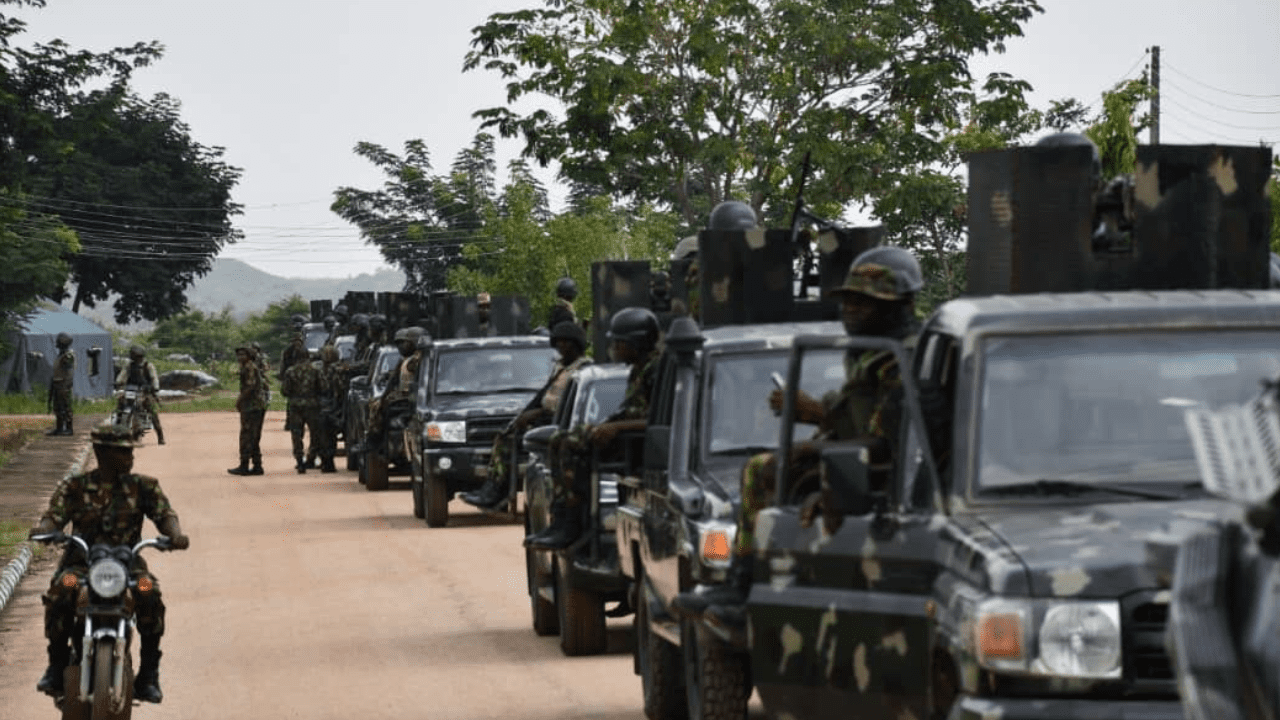
The year 2025 marked a significant chapter in the history of Pakistan’s Armed Forces, as they navigated an increasingly complex internal and regional security environment. Under the leadership of Chief of Defence Forces Field Marshal Asim Munir, the Pakistan Army, Air Force, and Navy faced simultaneous challenges that ranged from border tensions and counterterrorism efforts to defense diplomacy, disaster response, and institutional reforms.
Marka-e-Haq: A Strategic Turning Point
One of the most notable events of the year was the brief but intense conflict with India on May 10, 2025, known domestically as Marka-e-Haq. This incident served as a major moment for Pakistan’s defense posture. The Pakistan Army and Pakistan Air Force units executed a coordinated and calibrated response to Indian aggression, drawing international attention for their speed, planning, and operational synergy during the engagement. Defense analysts described the episode as a demonstration of Pakistan’s conventional deterrence capability and joint-force readiness, reminding the world of the volatility of South Asian security dynamics.
Pakistan-Saudi Arabia Defense Pact
In September 2025, just before a high-level visit to the United States, Pakistan signed a landmark defense cooperation agreement with Saudi Arabia in Riyadh. This pact reinforced Islamabad’s growing defense partnership with Gulf states and highlighted Pakistan’s role as a regional security partner extending beyond South Asia.
Counterterrorism: Gains Amid Persistent Threats
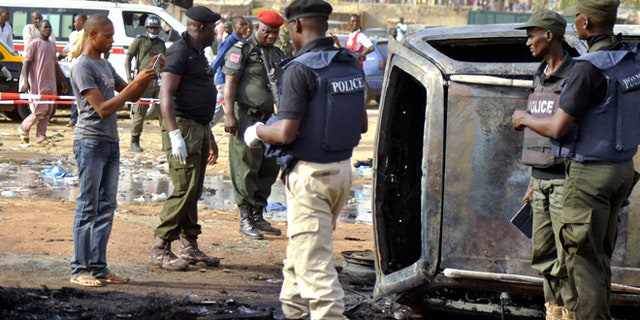
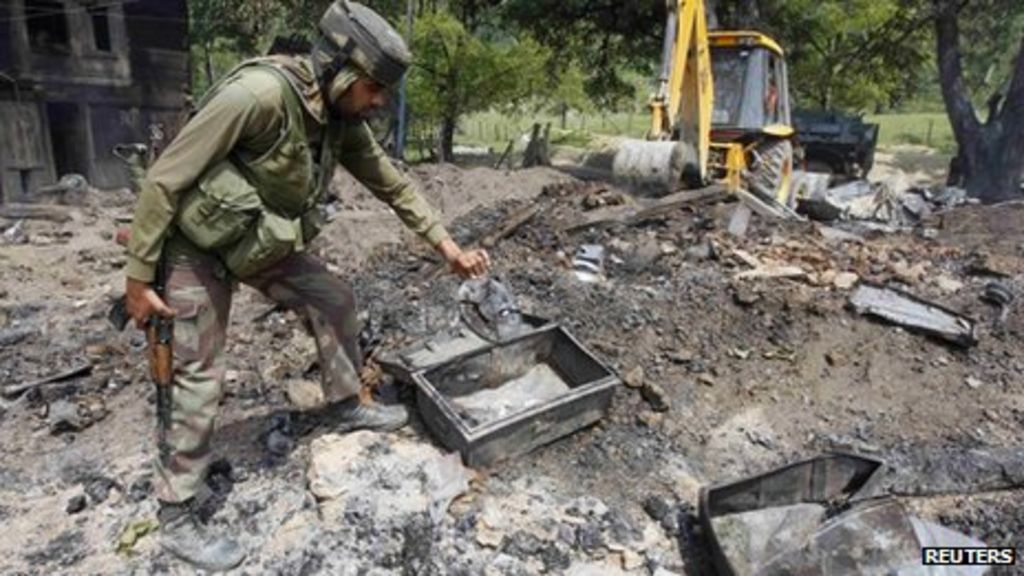
Counterterrorism remained a central focus throughout the year. Militant networks operating along border regions, particularly near the Afghan frontier, continued to pose significant challenges. Pakistan Army-led intelligence-based operations (IBOs), conducted in coordination with intelligence and law-enforcement agencies, disrupted several terrorist cells and thwarted planned attacks in Khyber Pakhtunkhwa and Balochistan. Security forces reported notable militant casualties and arrests, underscoring the effectiveness of targeted operations.
However, sporadic high-profile attacks demonstrated the ability of militant groups to regroup. The strategic emphasis increasingly shifted from large-scale clearing operations to intelligence dominance, area stabilization, and preventing militant re-infiltration.
Western Border and Afghan Dynamics
Developments in Afghanistan remained a persistent security concern. Islamabad repeatedly raised alarms over the presence of anti-Pakistan militant elements operating from across the border. Despite improvements through fencing and enhanced surveillance, policing the rugged and porous frontier continued to stretch security resources. Pakistan sought to balance kinetic measures with diplomatic engagement, mindful of avoiding sustained escalation while safeguarding border security.
Balochistan: Security and Development
Insurgent activity in Balochistan persisted, targeting security forces, infrastructure, and economic projects. Alongside security operations, the Army supported development and stabilization initiatives in coordination with civilian authorities. Analysts note, however, that long-term stability in the province depends on addressing political grievances, economic inclusion, and governance reforms alongside military enforcement.
Defense Diplomacy and International Engagement
Despite global geopolitical uncertainty, Pakistan maintained active defense diplomacy through joint exercises and military exchanges with the United States, China, Turkey, Middle Eastern states, and other partners. Pakistan also continued its longstanding contribution to United Nations peacekeeping missions, reinforcing its reputation as one of the largest and most experienced troop-contributing countries.
Modernization Under Economic Constraints
Economic pressures remained a major constraint on defense modernization in 2025. Budget limitations affected procurement timelines and training expenditures, prompting a greater focus on indigenous production, cost-effective upgrades, and asymmetric capabilities. Cybersecurity, surveillance systems, and counter-drone technologies emerged as priority areas, reflecting evolving threat perceptions.
Civil-Military Coordination and Disaster Response
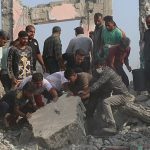
Beyond security operations, the Pakistan Army played a critical role in disaster response, particularly during the August 2025 floods. Rescue operations, rehabilitation efforts, and infrastructure restoration again highlighted the military’s logistical reach where civilian capacity remains limited. While these interventions earned public appreciation, they also revived debate over strengthening civilian institutions to reduce long-term dependence on military support.
Accountability Within the Ranks
A notable institutional development was the conviction of former ISI chief Lt Gen (R) Faiz Hameed, who was sentenced to 14 years’ rigorous imprisonment by a military court martial on multiple charges. The verdict was widely viewed as a strong signal of internal accountability and adherence to discipline.
Looking Ahead
As 2025 concluded, Pakistan’s Armed Forces stood at a familiar crossroads—credited for operational resilience and national defense, yet challenged by evolving threats, fiscal limitations, and expectations of reform. The central test ahead remains balancing counterterrorism duties, regional deterrence, modernization needs, and the military’s role within a maturing democratic framework. In that sense, 2025 served less as an endpoint and more as a reminder that Pakistan’s security landscape remains dynamic—and the role of its Armed Forces continues to evolve with it.