

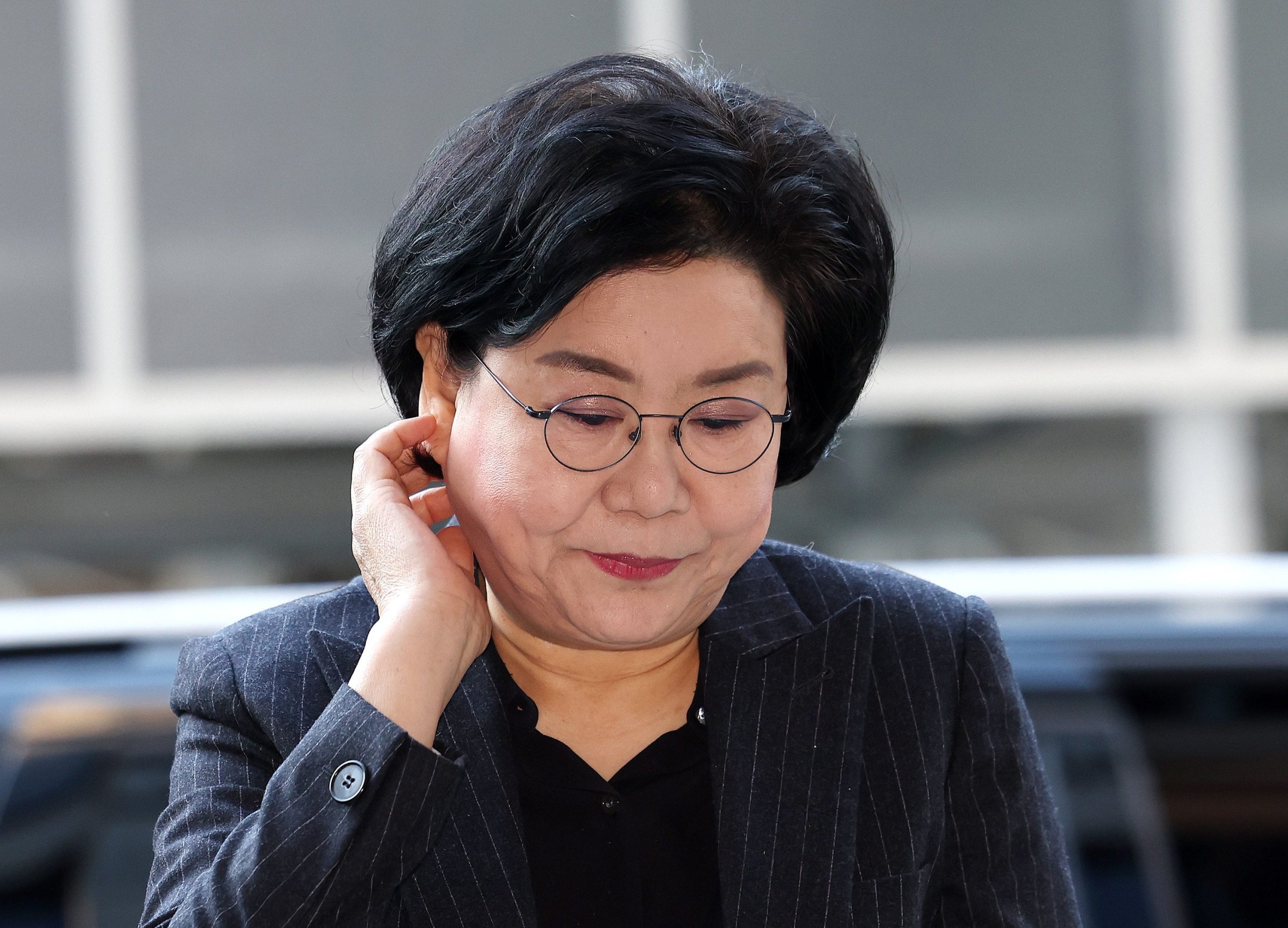
The Revived Ministry Faces Immediate Crisis
The Ministry of Planning and Budget, which was re-established after an 18-year hiatus, encountered a significant crisis on its very first day of operation. This unexpected turmoil was sparked by the release of recordings that allegedly depicted power abuse and verbal abuse by Lee Hye-hoon, a former lawmaker who was nominated as the first minister under President Lee Jae-myung’s administration. These revelations have raised serious concerns about the stability and credibility of the newly formed ministry.
Unforeseen Challenges in Organizational Restructuring
According to sources from related ministries, the Planning and Budget Office is currently facing delays in restructuring its organization and establishing its systems due to the controversy surrounding the nominee. A public official from the office expressed their shock, stating, “We are in a state of shock as unforeseen incidents keep happening one after another.”
This situation goes beyond a personal morality issue; it raises concerns about the loss of momentum for President Lee Jae-myung’s economic policies. Whether the appointment proceeds or the nominee withdraws, uncertainty in fiscal management has increased significantly.
The Planning and Budget Office plays a vital role in budget formulation and the development of mid-to-long-term national strategies. It not only oversees budgeting but also determines the direction and outcomes of national policies. Its leadership is especially crucial during anticipated debates over large-scale livelihood support measures and deficit bond issuance ahead of the June local elections.
An anonymous source from an economic ministry stated, “It’s bewildering that such an issue arose before the new organization even took its first step. The ministry’s stability is crucial, but the nominee might have to make a significant decision soon.”
Concerns Over a ‘Rubber-Stamp Minister’ if Appointment Proceeds
Despite the ongoing controversy, the presidential office still has the option to push through the nominee’s appointment, given the urgency of addressing the economic crisis and the legal provision allowing the president to appoint without parliamentary consent.
However, critics argue that a minister tainted by moral controversies would struggle to lead effectively as the budget control tower. This is particularly true considering the nominee’s expulsion from the People Power Party, her former party, which would likely render her negotiation power with the opposition party near zero.
Government insiders worry that even if appointed, the nominee might become a “rubber-stamp minister” who merely follows presidential office orders to distribute funds, rather than making independent policy decisions.
If the nominee withdraws due to public backlash or her nomination is revoked, the Lee Jae-myung government is expected to consider alternatives such as appointing a mainstream economic bureaucrat, a progressive economic expert, or another conservative economic figure.
Professor Shin Yul from Myongji University’s Political Science and Diplomacy Department noted, “Political burdens are too heavy to push through the appointment now. Finding an alternative isn’t impossible, but President Lee’s options will inevitably narrow.”