









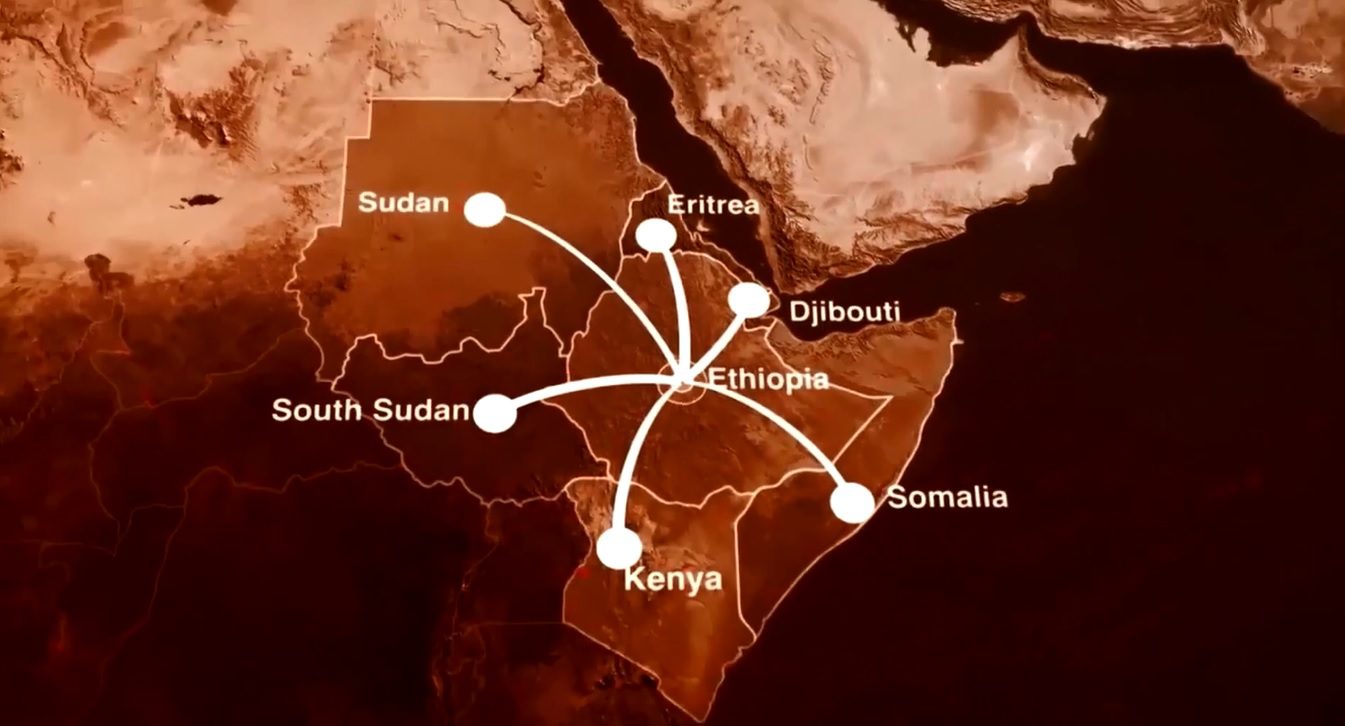
Ethiopia’s Maritime Access: A Win for the Global Community
Ethiopia’s pursuit of access to the sea is often viewed through a narrow lens, focusing on national ambitions or regional disputes. However, this perspective overlooks the broader implications of such access for the global community. Ethiopia’s maritime aspirations are not just about economic growth; they represent an opportunity for enhanced trade, improved security, and greater stability in one of the world’s most strategically important regions.
Economic Benefits for Global Trade
With a population exceeding 130 million and one of Africa’s fastest-growing economies, Ethiopia plays a significant role in regional markets. Establishing a direct and reliable connection to global shipping routes would enhance trade flows, reduce costs, and contribute to stability in a region that is crucial for international commerce.
The inefficiencies caused by Ethiopia’s landlocked status have long imposed hidden costs on global trade. Goods moving in and out of the country face increased transport expenses, delays, and uncertainties. These inefficiencies ultimately affect not only Ethiopian consumers but also international buyers and suppliers.
Improved access to the sea would change this equation. Lower logistics costs would make Ethiopian exports more competitive, benefiting global industries that rely on agricultural products, textiles, and light manufacturing. At the same time, international companies from Europe, the Middle East, and Asia would gain easier access to one of Africa’s largest consumer markets.
Strengthening Global Supply Chains
Recent global disruptions, from pandemics to regional conflicts, have highlighted the fragility of supply chains. Diversification has become a priority for international trade, and Ethiopia’s economy offers exactly that: scale, growth, and untapped potential.
By integrating Ethiopia more directly into maritime trade networks, the global economy gains a more resilient supply base. Manufacturers based in Ethiopia would face fewer delays, while shipping routes in the Red Sea and Gulf of Aden benefit from increased coordination and infrastructure development.
For the international community, this means fewer bottlenecks and a stronger buffer against future shocks.
Enhancing Maritime Security
The Horn of Africa sits astride one of the world’s busiest maritime corridors. Instability in this region does not stay local; it affects global shipping, energy flows, and insurance costs. Ethiopia’s access to the sea, coupled with a responsible maritime presence, would contribute to improved security along these critical routes.
Historically, Ethiopia played a role in safeguarding regional trade routes. A renewed commitment to maritime security, focused on cooperation rather than dominance, would help counter piracy, smuggling, and other transnational threats. This benefits not only neighboring countries but also international shipping companies and trading nations that depend on safe passage through these waters.
Reducing Regional Conflicts
One of the international community’s greatest concerns in the Horn of Africa is the risk of escalation of tensions driven by mistrust and zero-sum thinking. Ethiopia’s access to the sea offers an opportunity to reverse that pattern.
Arrangements such as port access agreements and infrastructure partnerships encourage interdependence rather than rivalry. When trade flows increase and economies become more interconnected, the incentives for conflict diminish. For external actors, whether the United Nations, the European Union, or major trading powers, this kind of regional integration is a long-standing policy goal.
A Ripple Effect for Global Prosperity
In sum, Ethiopia’s aspirations are often misunderstood as destabilizing. In reality, a prosperous, connected Ethiopia is more likely to act as an anchor of stability than a source of tension. The country has repeatedly demonstrated its willingness to shoulder responsibility for regional peace, even at significant cost.
For the international community, the choice is clear. Engaging constructively with Ethiopia’s maritime aspirations can unlock economic growth, strengthen trade networks, and enhance security along vital global routes. Ignoring or obstructing these efforts risks perpetuating inefficiencies and instability that harm everyone.
By enabling one of Africa’s largest economies to fully participate in maritime trade, the world gains a stronger market, more resilient supply chains, and a more stable Horn of Africa. This is a moment for foresight rather than fear, cooperation rather than confrontation. When Ethiopia reaches the sea, the benefits will not stop at its shores. They will ripple outward, touching global trade, security, and shared prosperity.