









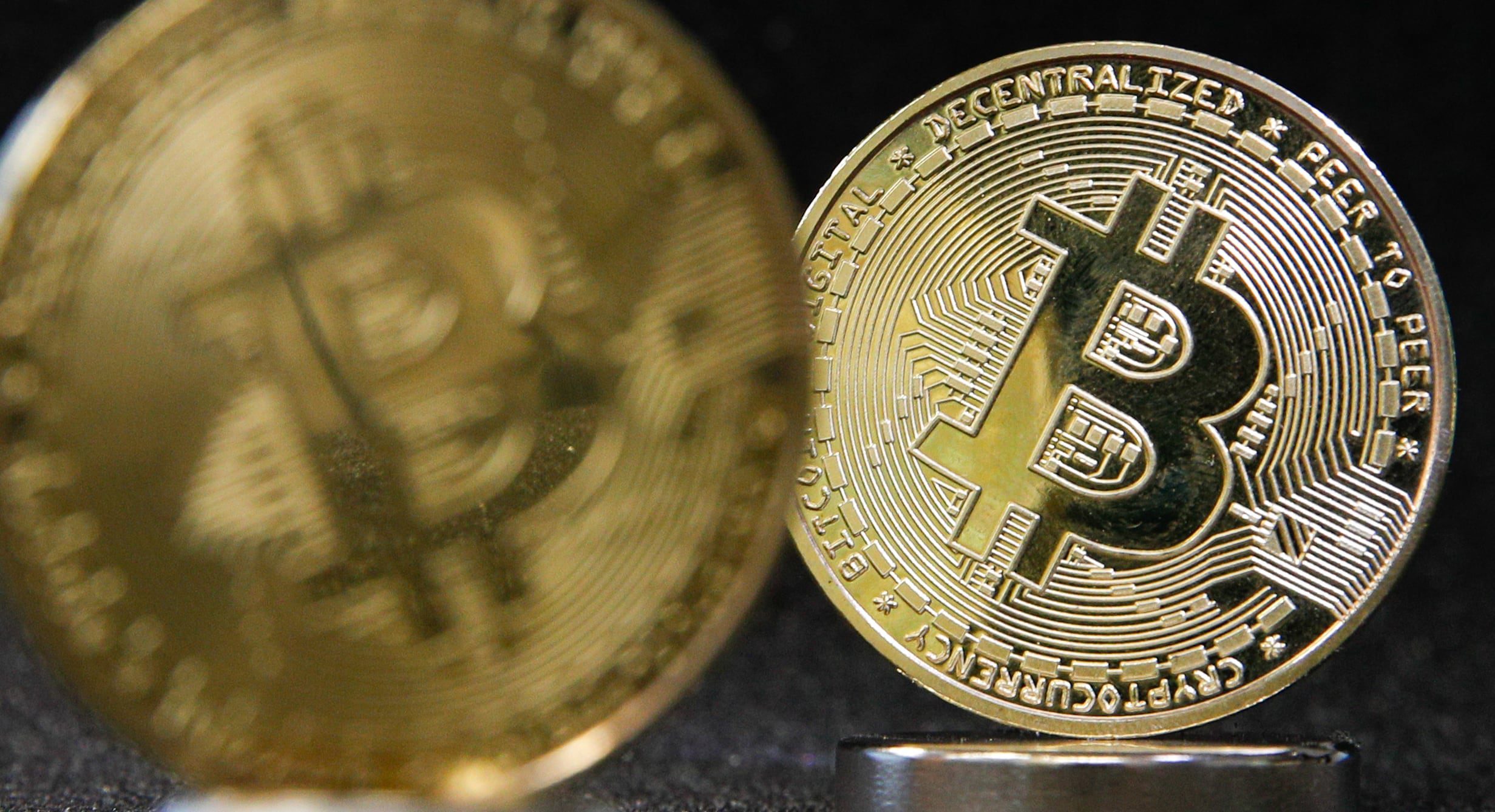
Virtual Assets Show Signs of Recovery
Virtual assets, including Bitcoin, have experienced a notable rebound since the start of the new year. While opinions on this year’s outlook remain divided, some experts are optimistic about a potential recovery, while others advise caution. The market has shown resilience despite various external factors influencing its performance.
According to data from CoinMarketCap on the 4th, Bitcoin traded above $91,000 per coin. This represents a significant increase from its previous range, which had hovered around $87,000 in late December. Bitcoin’s upward trend began at the start of the year but faced a brief dip below $90,000 due to the aftermath of U.S. airstrikes on Venezuela. However, the price quickly recovered, indicating strong underlying demand.
This marks Bitcoin’s first recovery above the $90,000 threshold in approximately 20 days since December 13th of last year. It is worth noting that Bitcoin reached an all-time high of $125,000 on October 12th of last year. Following this peak, the price plummeted as risk-averse sentiment spread across the market, leading to a period of volatility.
Strength in Altcoins and Related Stocks
Major altcoins have also demonstrated simultaneous strength. Ethereum, the second-largest cryptocurrency by market cap, rose 5.96% to $3,147 since the start of the year. Ripple, another prominent altcoin, surged over 8% to $2.03, showing strong investor interest.
In addition to digital assets, cryptocurrency-related stocks have also seen a rally. On the 2nd, shares of virtual asset exchange Coinbase closed up 4.59% from the previous trading day. Circle, a representative stablecoin stock, gained 5.26%, while Strategy, a company focused on Bitcoin accumulation, ended its first trading day of the new year with a 3.43% increase.
Expert Analysis and Diverging Outlooks
Experts suggest that investment sentiment is gradually flowing back into virtual assets. However, views on the medium- to long-term outlook remain split. Grayscale, the world’s largest crypto trust product manager, has cited risks such as a declining dollar value and the spread of stablecoins as reasons for Bitcoin’s high likelihood of reaching a new all-time high in the first half of 2026.
On the other hand, The Wall Street Journal has highlighted potential near-term challenges for Bitcoin. These include outflows from Bitcoin exchange-traded funds (ETFs) and accelerated global capital shifts toward artificial intelligence (AI) and AI-related stocks. Such factors could impact Bitcoin’s performance in the short term.
Key Variables Influencing the Market
The cryptocurrency market is influenced by a variety of factors, both internal and external. The performance of major altcoins and related stocks provides insight into broader market trends. Additionally, macroeconomic conditions, regulatory developments, and technological advancements play crucial roles in shaping the future of virtual assets.
Investors and analysts are closely monitoring these variables to make informed decisions. While some see opportunities for growth, others remain cautious, emphasizing the need for careful analysis and risk management.
Conclusion
As the cryptocurrency market continues to evolve, it remains a dynamic and unpredictable space. The recent rebounds in Bitcoin and other digital assets indicate renewed interest, but the path forward is not without challenges. With expert opinions divided and multiple factors at play, the coming months will be critical in determining the trajectory of virtual assets. Investors should stay informed and prepared for potential fluctuations as the market navigates through uncertainty.



