






Leadership Challenge Sparks Internal Turmoil in Liberal Party
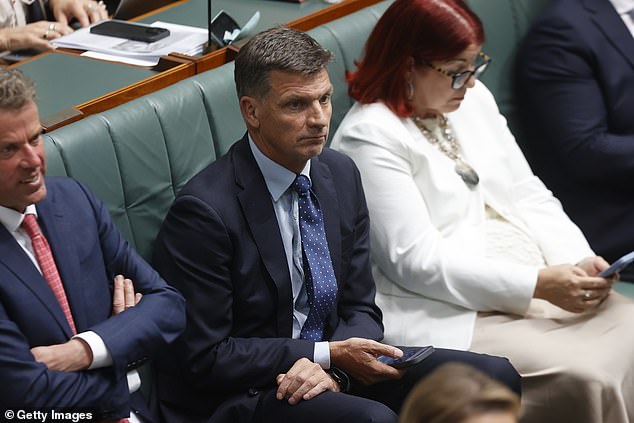
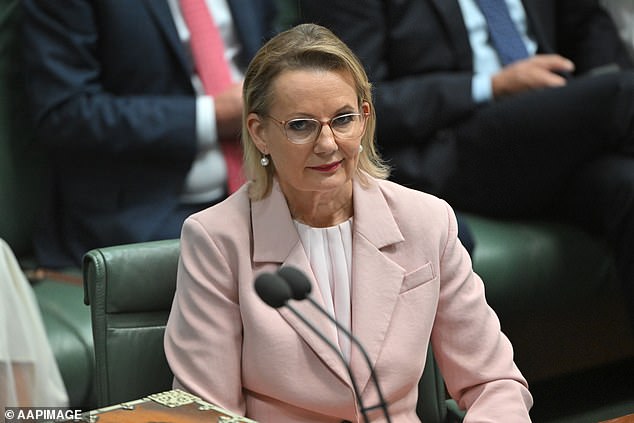
Senior Liberal frontbencher Angus Taylor is set to resign from the shadow cabinet on Wednesday, paving the way for him to challenge Sussan Ley for the party leadership. According to Liberal Party rules, frontbenchers are not allowed to remain in their roles if they oppose the leader, which means Taylor must step down before officially launching his bid.
Taylor is expected to announce his leadership challenge by Friday, with a party-room ballot scheduled for the same day. This development sets the stage for a high-stakes contest between Taylor and Ley, as both candidates vie for the support of the party’s members.
The potential resignation of Taylor could lead to further departures within the party. Shadow finance minister James Paterson and shadow home affairs minister Jonno Duniam are also expected to step down if they refuse to back Ley. This could signal a significant shift in the party’s internal dynamics.
For weeks, MPs have questioned whether Taylor has enough support to mount a serious challenge, arguing that simply changing leaders would not address the Coalition’s poor polling numbers. However, Sunday’s Newspoll, which revealed the Coalition’s primary vote collapsing to a historic low of 18 per cent, has intensified internal frustrations and shifted momentum toward Taylor.
Ley’s supporters have maintained that she will not resign voluntarily, meaning the only way to remove her from power is through a formal leadership challenge. Even before Taylor officially nominates himself, internal negotiations have already begun regarding who would serve as his deputy if he wins.
Potential Deputy Leaders
Incumbent deputy Ted O’Brien is considered the frontrunner for the position, largely because rival factions within the party have struggled to unite behind an alternative candidate. His experience and strong connections within the party make him a logical choice.
However, some are advocating for moderate senator Jane Hume to take on the role. Supporters argue that Hume could help Taylor appeal more broadly across the party, especially given the current challenges facing the Coalition.
On Monday, Hume warned that if the party’s decline continues, changing leaders would not be enough to turn things around. She stated:
“I don’t know who’s left. At this point, we’re talking about a leadership contest between Sussan Ley and Andrew Hastie and Angus Taylor. None of them will have seats after the next election if this continues, so something’s got to give.”
The Road Ahead
As the leadership contest unfolds, the Liberal Party faces a critical juncture. The outcome of the ballot will not only determine the future of the party’s leadership but also shape its strategy moving forward. With the Coalition’s poll numbers at a historic low, the pressure is mounting on all candidates to present a clear vision for the party’s recovery.
The internal discussions and negotiations highlight the complexity of the situation. While some see Taylor as a potential savior, others remain skeptical about his ability to rally the party behind him. The challenge ahead is not just about winning the leadership but also about uniting the party and addressing the underlying issues that have led to its current struggles.
As the party prepares for the upcoming ballot, the eyes of the political world will be on the Liberal Party, watching closely to see how this leadership contest plays out and what it means for the future of the Coalition.