




Addressing Safety and Congestion on Key Transportation Corridors
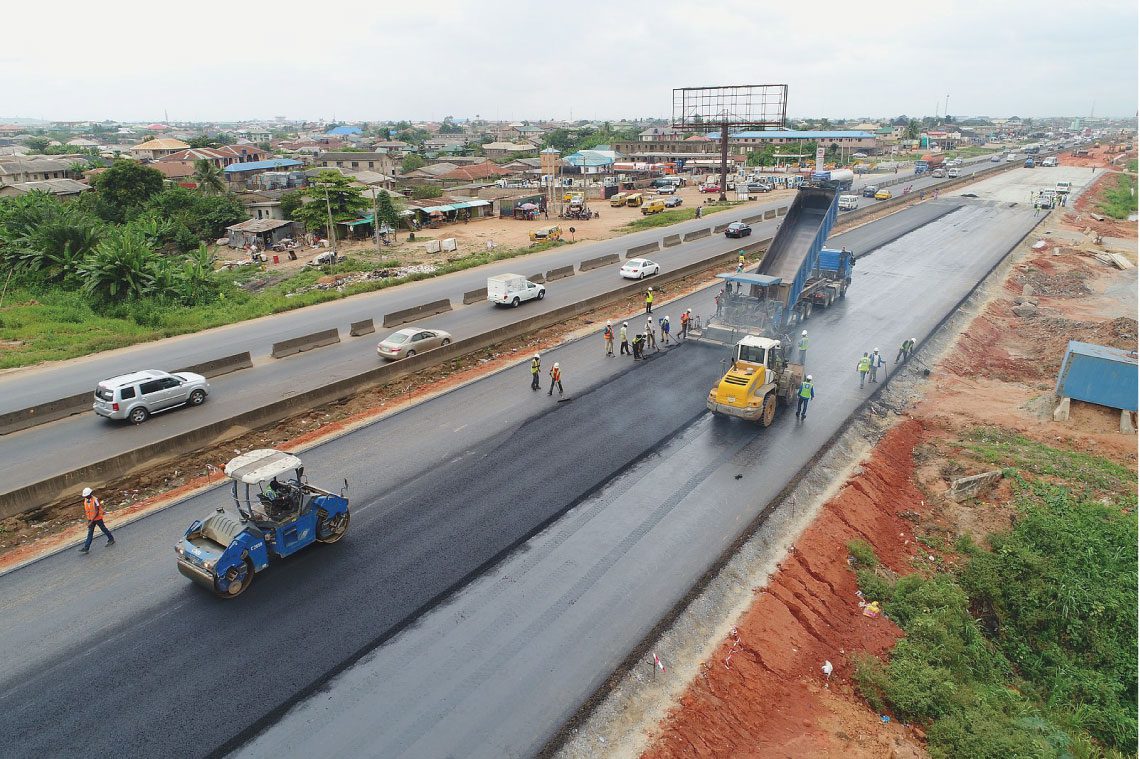
The House of Representatives has taken significant steps to address pressing issues related to safety and congestion on critical transportation corridors in Nigeria. On Wednesday, the House passed several resolutions aimed at improving infrastructure and reducing risks along the Lagos-Benin highway and the Sagamu–Benin expressway.
Resolutions for the Benin–Lagos Railway Corridor
One of the key resolutions called for the Federal Government to initiate the construction of the Benin–Lagos railway corridor. This move comes as a response to the growing challenges faced by commuters and businesses along the strategic highway. The lawmakers emphasized that the current state of the highway is unsustainable, with traffic congestion, dilapidated roads, and rising incidents of crime such as armed robbery and kidnapping.
The motion was introduced by Omosede Igbinedion, a member representing the Ovia North-East/Ovia South-West Federal Constituency of Edo State. She highlighted the urgent need for an alternative transportation system that would provide a safer, faster, and more reliable option for both commuters and commercial activities.
Igbinedion noted that the absence of a railway line on this critical route has led to economic strain, endangerment of lives, and delays in supply chains. She argued that developing a modern railway line between Benin and Lagos would not only ease pressure on the road network but also enhance regional integration and economic growth.
The resolution received overwhelming support from lawmakers during a voice vote. Following its adoption, the House urged the Federal Government, through the Ministry of Transportation and the Nigerian Railway Corporation, to prioritize the development of the Benin–Lagos railway corridor under the National Transport Master Plan.
Additionally, the lawmakers recommended incorporating security components such as surveillance systems, railway police units, and secured terminals into the design and operation of the proposed railway infrastructure.
Improving Safety on the Sagamu–Benin Expressway
Another significant resolution focused on the Sagamu–Benin expressway, particularly the Sagamu axis. The motion, introduced by Adesola Ayoola-Elegbeji, a member representing the Ikenne/Sagamu/Remo North Federal Constituency of Ogun State, drew attention to the increasing number of accidents and fatalities along this section of the highway.
Ayoola-Elegbeji pointed out that the current design of the expressway poses serious risks to both pedestrians and motorists. She explained that the lack of designated pedestrian crossings, bridges, and flyovers has created dangerous conditions for residents, traders, and students who frequently cross the highway.
She highlighted that the expressway has effectively divided Sagamu town into two parts, leading to increased movement of people and vehicles across the high-speed highway. This has resulted in fatal accidents involving school children, market women, and commuters attempting to cross the road.
Ayoola-Elegbeji identified several critical points along the corridor as particularly dangerous, including the Sagamu Express Junction linking Total Expressway with Ewu Oliwo, the RSS Junction linking Area Command to the express junction, and the Ikenne Express Junction connecting the Dalabo area of Sagamu.
The motion received strong support from lawmakers present at the plenary. Following its adoption, the House urged the Federal Government, through the Federal Ministry of Works, to immediately review the project design to include the construction of pedestrian bridges and flyovers at these high-risk areas.
Lawmakers also directed the ministry to liaise with the Ogun State Government to ensure that adequate safety infrastructure is incorporated into federal highway projects within the state. In addition, the House urged the Federal Road Safety Corps and the Ogun State Traffic Compliance and Enforcement Corps to intensify public enlightenment campaigns on road safety and provide temporary pedestrian crossings pending the construction of permanent structures.
Legislative Action and Future Steps
The House further mandated its Committee on Works to conduct an on-the-spot assessment of the Sagamu axis of the expressway, particularly the Total–Ewu Oliwo Junction, RSS Junction, and Ikenne–Dalabo Junction. A report on the findings is expected within four weeks for further legislative action.
These resolutions reflect the House’s commitment to addressing the challenges of transportation infrastructure and ensuring the safety of citizens. By prioritizing the development of rail and road infrastructure, the lawmakers aim to create a safer and more efficient transportation network that supports economic growth and national security.