


Bulgaria’s Path to the Euro: A Nation on the Brink of Change
Bulgaria is set to take a major step towards joining the European Union’s monetary union by adopting the euro in January. This decision marks a significant shift for the country, which has long used the lev as its national currency. The move has been endorsed by key EU institutions, including the European Commission, the European Central Bank, and EU finance ministers, who have confirmed that Bulgaria meets all the necessary conditions for this transition.
Meeting the Criteria for Euro Adoption
Bulgaria has demonstrated strong economic fundamentals that support its readiness for the euro. Consumer price growth remains moderate, the budget deficit is under control, and public debt levels are among the lowest in Europe. Additionally, long-term interest rates have remained stable, indicating a healthy economic environment. Despite these positive indicators, many Bulgarians remain skeptical about the change, with 66% believing the country is not yet prepared for the euro.
Public Sentiment and Political Divisions
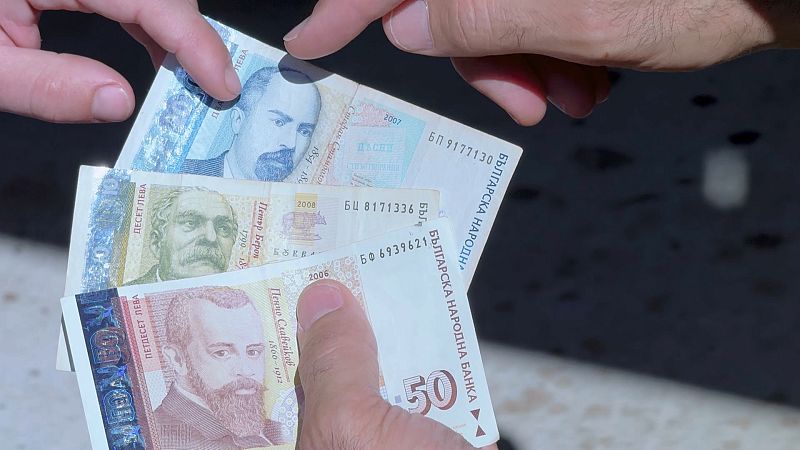
Public opinion is sharply divided. Ultra-nationalist groups and supporters of Russia have organized demonstrations against the euro, arguing that it threatens Bulgarian identity. These groups often stoke fears of inflation, despite the euro being one of the most stable currencies globally. Vasil Petrov, a fish chef from the village of Doganovo, expresses concerns that the euro will lead to higher prices without corresponding increases in wages. He also highlights the emotional aspect of losing the lev, which features images of Bulgarian historical figures.
Economic Impacts and Business Perspectives
For businesses, the transition to the euro could bring tangible benefits. Ivailo Antonov, managing director of the Bessa Valley winery, explains that the current system involves high transaction costs due to the need to convert between euros and levs. With the euro, these costs will be eliminated, allowing businesses like his to save money and operate more efficiently. Antonov believes that the euro represents a symbol of stability and international recognition, stating that it is the second most important currency in the world.
Expert Opinions and Challenges Ahead
Plamen Ralchev, an expert in international relations at the University of World Economy in Sofia, supports Bulgaria’s decision to adopt the euro. He emphasizes that the country has committed to this goal under the EU Accession Treaty, making the question not whether to adopt the euro, but when. However, he acknowledges that political instability and a lack of strong pro-European sentiment pose challenges.
Ralchev points out that while some Bulgarians identify as Europeans, others see themselves as part of a unique Balkan identity. This divide is further complicated by the influence of Russia, creating a rift within Bulgarian society. He also addresses concerns about inflation, suggesting that such fears are often based on psychological manipulation rather than economic reality. According to Ralchev, the introduction of the euro could actually lead to lower prices as market forces drive competitiveness.
The Broader Implications
Adopting the euro would provide Bulgaria with a crucial anchor of stability, helping to attract investment and integrate more deeply into the European economy. However, the success of this transition will depend on overcoming public skepticism and ensuring that the benefits of the euro are clearly communicated to all citizens. As Bulgaria stands at this crossroads, the path forward will require careful planning, strong leadership, and a shared vision for the future.