


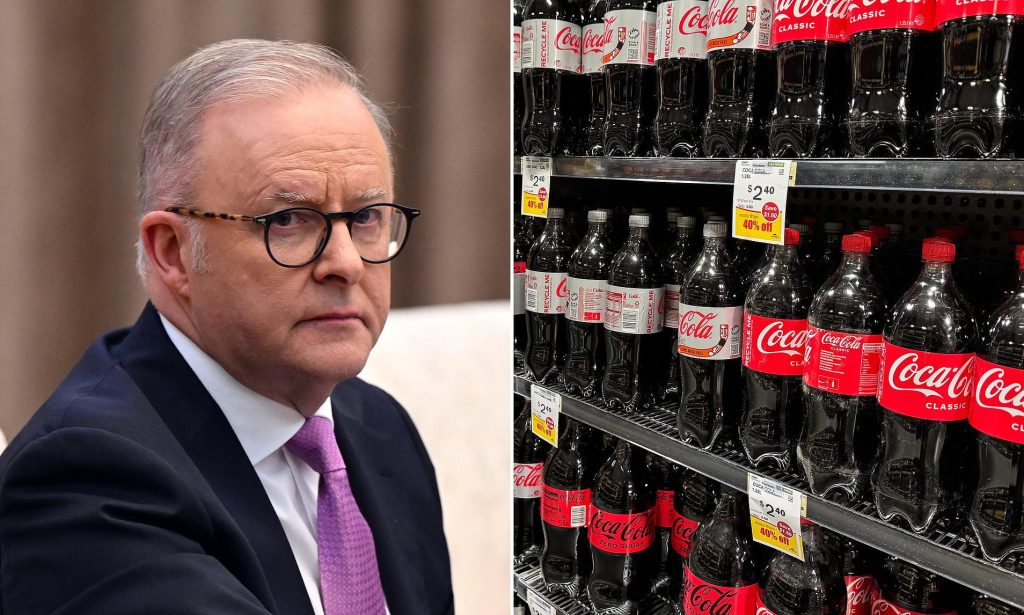
The Push for a Sugar Tax in Australia Gains Momentum
Australia is witnessing growing support for a tax on sugary drinks as part of efforts to combat rising obesity and diabetes rates. The Australian Medical Association (AMA) has proposed a new tax aimed at reducing the consumption of beverages high in added sugar, such as soft drinks, sweetened juice, and cordial. If implemented, this tax could significantly impact public health by discouraging excessive sugar intake.
The AMA’s proposal suggests a tax of 50 cents per 100 grams of added sugar. This means that a standard 375mL can of regular Coca-Cola, which contains approximately 39.8g of sugar, would be taxed at 19.9 cents. Similarly, a 600mL bottle of Berry Ice Powerade with 34.8g of sugar would incur a 17.8c levy. These figures highlight the potential financial burden on manufacturers and consumers alike.
A Call for Broader Health Awareness
Macarthur MP Michael Freelander, who is also a practicing pediatrician, has voiced strong support for the initiative. He believes that the tax should be introduced alongside broader public education campaigns about the dangers of excessive sugar consumption. Dr. Freelander emphasized that the goal is not only to reduce sugar intake but also to encourage beverage companies to reformulate their products with less sugar.
He pointed out that the rise in childhood obesity and type 2 diabetes is a growing concern. “We should not be seeing children presenting with these conditions,” he said. “Societal changes, including increased access to highly processed foods, are contributing to these health issues.”
Dr. Freelander also called for measures beyond just taxation, such as changes in town planning to make it easier for children to walk to school. Improving access to healthy food options and limiting the presence of fast food outlets could further contribute to better public health outcomes.
Economic Impact and Policy Considerations
The Parliamentary Budget Office estimated that a 20% tax on sugar-sweetened beverages could generate over $1.3 billion in revenue within two years. This figure has been used to garner support for the proposed tax, although Dr. Freelander stressed the importance of pilot programs before full implementation.
In addition to the tax, the AMA has suggested that the funds generated could be invested in preventive health measures. Julian Rait, Vice President of the AMA, stated that the policy could lead to a reduction in sugar consumption by up to 2kg per person and generate $3.6 billion in savings. These resources could then be directed toward other critical health initiatives.
Rait also highlighted the importance of reducing sugar intake for individuals at risk of developing type 2 diabetes. He noted that swapping sugary drinks for water could have a significant long-term impact on health. Recent reports have shown that the sugar content in some popular beverages, like Fanta, has increased by 60%, despite industry claims of reformulation.
Labor’s Position on the Issue
Despite the growing support for a sugar tax, the Labor Party has ruled out any plans to implement such a measure. Instead, they are focusing on alternative strategies, such as front-of-pack labeling for sugary items. Health Minister Mark Butler emphasized that the government will work with food manufacturers to reduce the amount of sugar in their products.
“We are not planning to introduce a sugar tax,” Butler said in May. “Our focus is on education and collaboration with the food industry to reduce sugar content in products.”
This approach reflects a different strategy compared to the AMA’s proposals, highlighting the ongoing debate over the most effective way to address public health concerns related to sugar consumption.
Conclusion
As the discussion around a sugar tax continues, the debate highlights the complex interplay between public health, economic considerations, and political priorities. While the AMA and its supporters argue that a tax is necessary to curb unhealthy consumption, the opposition party remains focused on education and voluntary industry action. The outcome of this debate will have significant implications for the future of public health in Australia.