


Republicans Delay Crypto Legislation, But Plan to Try Again
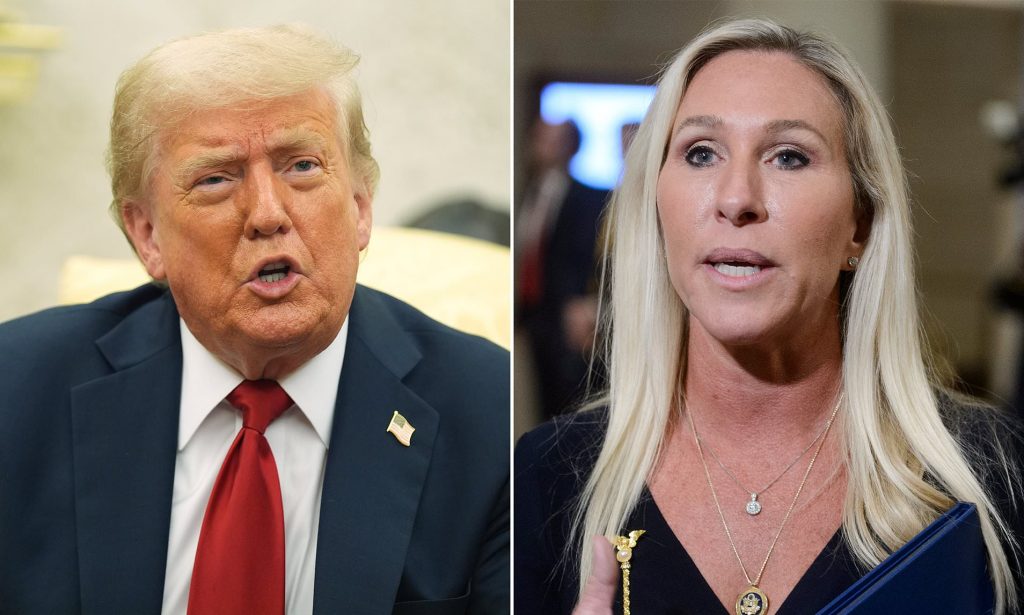
A planned vote on sweeping cryptocurrency reforms in the U.S. Congress was delayed on Tuesday, but Republican lawmakers are expected to revisit the issue soon after a late-night meeting with former President Donald Trump. The setback came as House leadership faced resistance from members of the party’s far-right faction, leading to an early end to legislative sessions.
The proposed legislation, referred to by House Republicans as “crypto week,” includes three major bills: the GENIUS Act, the Digital Asset Market Clarity Act, and the Anti-CBDC Surveillance State Act. These measures aim to create a regulatory framework for the rapidly growing crypto industry while addressing concerns about government oversight and privacy.
However, the initial step to bring the bills to a full vote failed when several Republicans opposed the proposal. Critics argued that the current language of the bills does not sufficiently ban central bank digital currencies (CBDCs), which they fear could be used as tools for surveillance. This concern was echoed by Georgia Representative Marjorie Taylor Greene, who expressed her worries about the potential misuse of CBDCs.
“Behind the scenes there are the functional surveillance capabilities of a CBDC,” Greene stated. She emphasized that the bill as written does not explicitly prohibit CBDCs or protect self-custody, which refers to individuals maintaining control over their own funds rather than relying on third-party platforms.
To address these concerns, Trump took direct action by hosting a meeting with the discontented lawmakers. According to a post on Truth Social, the president met with 11 of the 12 required Congress members to pass the GENIUS Act. He reported that all attendees agreed to support the measure the following morning.
“Speaker of the House Mike Johnson was at the meeting via telephone, and looks forward to taking the Vote as early as possible,” Trump wrote. He also thanked the lawmakers for their quick and positive response.
Despite this development, not all lawmakers were convinced. Greene remained firm in her stance, stating she would not vote for the legislation unless it explicitly banned CBDCs. She referenced a biblical passage, Revelation 13:16-17, which discusses a symbolic “mark of the beast” linked to a future social credit system.
Other lawmakers, such as Florida Representative Anna Paulina Luna, also voiced opposition to any provisions that could enable CBDCs. Luna emphasized her support for cryptocurrency but refused to back any legislation that might create a “backdoor” for government-controlled digital money.
The outcome of the upcoming vote remains uncertain. While Republicans can afford to lose only three votes to pass the legislation along party lines, there is a possibility that some Democrats may support the measures. The involvement of Trump and his family in the crypto industry adds another layer of complexity to the situation.
World Liberty Financial, a firm co-founded by Trump and his sons, stands to benefit from the proposed legislation. The company’s focus on cryptocurrency aligns with the broader goal of positioning the U.S. as the “crypto capital of the world,” a vision repeatedly promoted by the former president.
As the debate continues, the fate of the crypto reforms hinges on whether the lawmakers who met with Trump will ultimately support the package. The next procedural vote is expected to determine the path forward for these significant pieces of legislation.