






The Strain on GPs: A Crisis of Funding and Workload
The pressures faced by general practitioners (GPs) in the UK are growing, with many reporting that they are working under extreme conditions due to staffing shortages and outdated funding models. These challenges have led to a significant impact on both doctors and their patients, raising concerns about the sustainability of primary healthcare services.
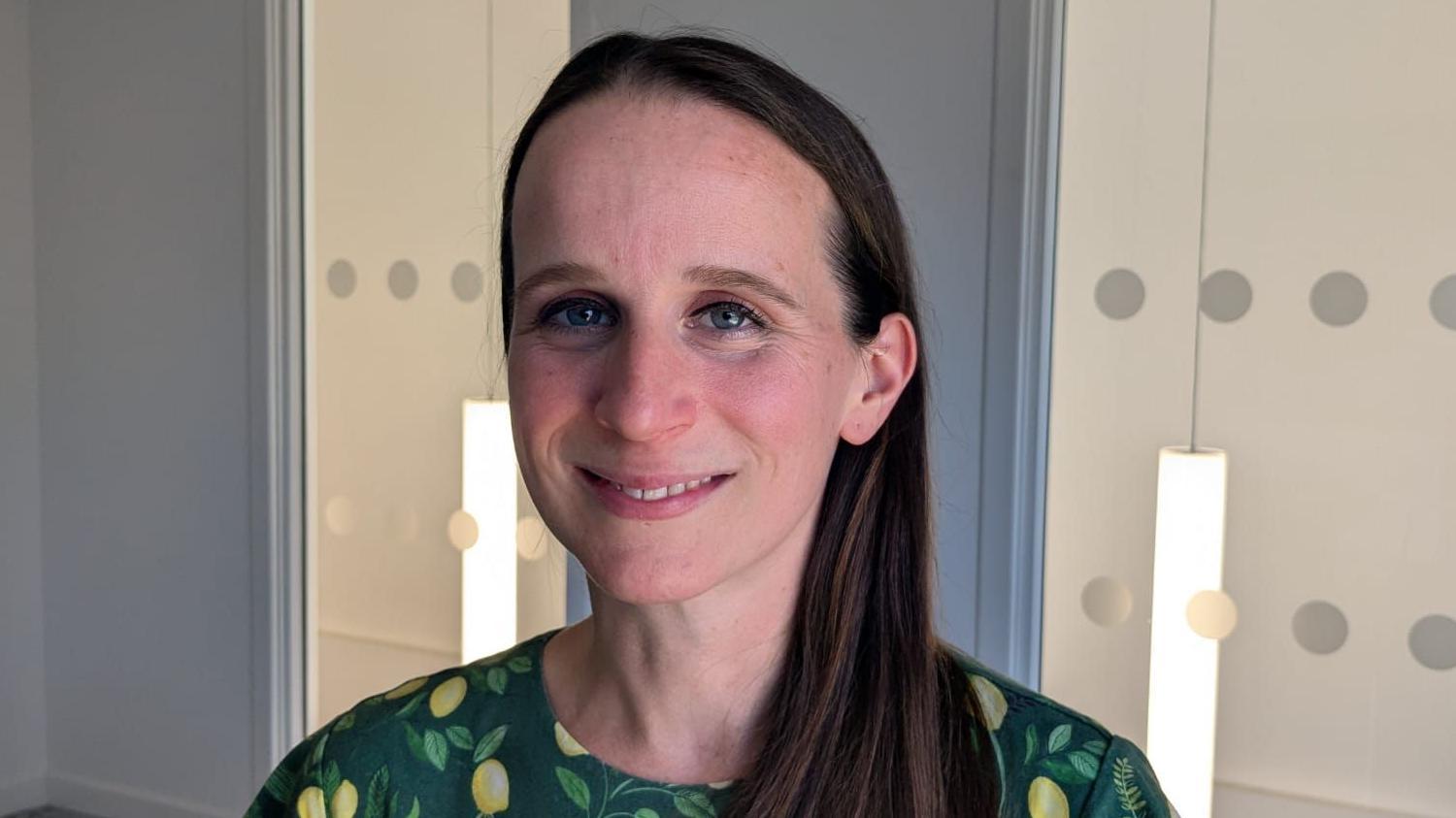
Dr. Emily Jones, a GP from south Wales, shared her personal experience of working through a cancer scare. She had discovered a potentially cancerous lump in her abdomen but was unable to take time off because she was the only doctor available at her surgery. “I couldn’t shut the surgery,” she said, highlighting the immense pressure placed on GPs when staffing is low. It wasn’t until the following day, when more doctors were present, that she could attend her hospital appointment, which ultimately confirmed the lump was not cancerous.
This situation is not unique to Dr. Jones. Colleagues at her surgery, including Dr. Rebecca Towner, are also struggling with overwhelming workloads. Dr. Towner, who has been practicing for 12 years, often sees up to 30 patients in a single morning—exceeding the British Medical Association’s (BMA) recommended daily limit of 25. “Every single day you worry you’re going to make a mistake,” she said, emphasizing the increased risk of errors when doctors are overworked.
Outdated Funding Models and Staffing Shortages
A key issue cited by many GPs is the outdated funding model used to allocate resources to surgeries. The Carr-Hill formula, introduced in 2004, is based on data from over 25 years ago and does not account for the current health needs of patients in deprived or high-need areas. This has resulted in some surgeries receiving significantly less funding than they require, leading to staff shortages and longer waiting times for patients.
At Whitchurch Road Surgery in Cardiff, the situation is particularly dire. With approximately 80 appointments a day for around 8,000 patients, the practice faces a four-week wait for routine appointments. Staff are working overtime every day to manage the workload, and the practice manager, Gareth Lucocq, even continued working during his treatment for stage three oesophageal cancer to minimize disruption to patients.
“The formula just doesn’t work,” said Dr. Matthew Jones, who works at another surgery in Heath. He pointed out that the data used to determine funding comes from 1998 to 2001, making it irrelevant to today’s healthcare needs. “If you’re hundreds of thousands of pounds worse off, it doesn’t matter how hard you work.”
Impact on Patient Care and Doctor Well-being
The consequences of this system extend beyond the doctors themselves. Patients in poorer areas often face worse access to healthcare, with lower satisfaction and greater difficulty in getting timely care. According to Dr. Becks Fisher of the Nuffield Trust, “There is systematically worse access to general practice in poorer parts of the country.”
This has led to a growing sense of demoralization among GPs, many of whom have considered quitting due to the unsustainable workload. “It’s hard to see how we can carry on as it is at the moment,” said Dr. Towner, who admitted that the pressure is taking a toll on her mental health.
Calls for Reform and Government Action
In response to these concerns, the Welsh Parliament is conducting an inquiry into the future of GPs, including the funding model. The UK government has also announced a review of the formula, with the Royal College of General Practitioners welcoming the move as “long overdue.”
“A patient’s postcode and where they live should not determine the level of NHS care they receive,” the college stated, emphasizing that people in deprived communities often have more complex health needs but receive less support due to limited GP availability.
Despite these calls for change, many GPs remain skeptical about the ability of the system to improve. “We have lots of doctors qualifying in autumn and unfortunately there are no jobs for them because practices can’t afford their wages,” said Mr. Lucocq, highlighting the ongoing challenge of attracting and retaining staff.
The Path Forward
As the debate over GP funding continues, one thing is clear: the current system is failing both doctors and patients. Without significant reform, the strain on primary care services will only continue to grow, putting the quality of healthcare at risk. For now, GPs like Dr. Jones and Dr. Towner are doing their best to keep their surgeries running, even at great personal cost.