


The Exodus of Britain’s Billionaires
The UK is witnessing a significant exodus of its wealthiest residents, with many billionaires choosing to leave the country or planning to do so. This trend has been fueled by changes in tax policies under the Labour government, particularly the abolition of the non-dom regime. As a result, several high-profile figures have either relocated or are in the process of moving their businesses and assets abroad.
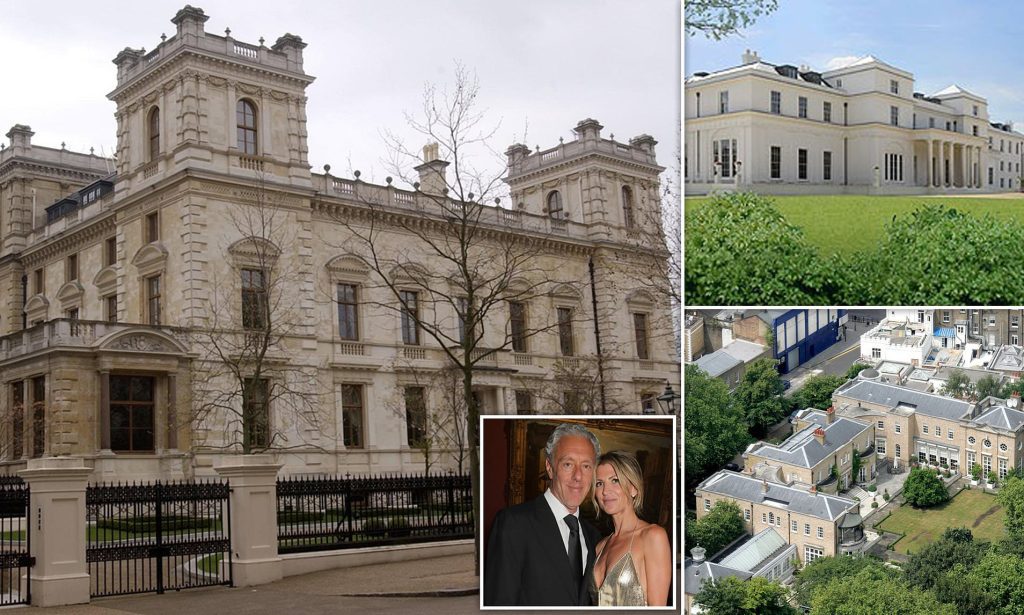
One of the most notable examples is John Fredriksen, a Norwegian shipping magnate who recently put his £250 million Chelsea property up for sale. He described Britain as having “gone to hell” and cited the tax changes as a major factor in his decision to move. His property, a 300-year-old house on a sprawling 220-acre estate, is now being marketed through private channels rather than traditional real estate platforms.
Another prominent figure is the Livingstone brothers, who oversee a £9 billion property empire. They have moved their tax residency to Monaco, despite owning Dropmore House, a historic manor in Buckinghamshire that was restored between 2006 and 2008. The property includes extensive grounds and is part of their diverse portfolio, which also features Cliveden, a luxury hotel once associated with the Profumo scandal.
Lakshmi Mittal, a Labour donor, owns a vast property portfolio that includes a mansion in Kensington known as “London’s Taj Mahal.” This £60 million property, located near Kensington Palace, is renowned for its marble sourced from the same quarry as the Taj Mahal. Mittal has also purchased additional properties on the same street, further emphasizing his investment in the area.
Malawi-born developer Asif Aziz, who previously owned the London Trocadero, has also moved his tax residency to Abu Dhabi. His property empire spans parts of London’s West End, including Haymarket House and the Criterion Building, home to the Criterion Theatre.
The recent budget introduced by Rachel Reeves has been blamed for accelerating this exodus. The abolition of the non-dom tax regime and the imposition of inheritance tax on foreign residents who have lived in the UK for over 10 years have prompted many to reconsider their presence in the country.
David Lesperance, founder of Lesperance and Partners, warns that if a wealth tax is introduced, it could drive even more billionaires out of the UK. He estimates that 50% of his ultra-high net worth clients have already left since Labour came to power, with another 50% likely to follow if a wealth tax is implemented.
Lesperance highlights that wealth taxes are difficult to administer and have been repealed in several countries. He believes an exit tax, which would be a one-time fee for those relocating, is more likely to be introduced. This could prompt clients to move before the tax is enacted.
Several billionaires have openly criticized the UK’s economic policies. Nassef Sawiris, co-owner of Aston Villa, blamed Labour’s inheritance tax clampdown and a “decade of incompetence” under the Conservatives. John Fredriksen, now 81, expressed frustration with the UK’s business environment, comparing it to Norway and suggesting that people should return to office work.
Fredriksen’s Old Rectory in Chelsea, a 30,000-square-foot property with 10 bedrooms and a ballroom, is currently being sold through private channels. A spokesman for Fredriksen declined to comment on whether the property is on sale or if domestic staff have been let go.
New data shows a decline in the number of non-domiciled taxpayers in the UK, with 73,700 individuals claiming the status in the year ending April 2023. This represents a slight decrease from previous years, indicating a slowdown in the number of people benefiting from the non-dom regime.
The non-dom status allowed UK residents whose permanent home was outside the UK to pay tax only on income earned within the country. However, this regime was abolished in April, leading to concerns about the long-term impact on tax revenue.
Leslie MacLeod-Miller of Foreign Investors for Britain (FIFB) warns that the loss of top taxpayers could pose a fiscal risk. He urges the government to implement bold policy changes to retain these high-income earners, who contribute significantly to the economy through investment and employment.
As the UK grapples with these challenges, the future of its wealthiest residents remains uncertain. With many considering relocation, the government faces the task of balancing tax policy with the need to retain its most valuable contributors.