







Investigation Reveals Evidence of Pilot Actions Post-Bird Strike
A South Korean-led investigation into the fatal Jeju Air plane crash in December has uncovered “clear evidence” suggesting that pilots shut off the less-damaged engine following a bird strike, according to a source familiar with the probe. The findings, which include data from the cockpit voice recorder, computer logs, and a physical engine switch recovered from the wreckage, indicate that the left engine was turned off instead of the right one during emergency procedures.
The source emphasized that the evidence is supported by backup data, and the investigation team is confident in its conclusions. However, the official report has not yet been released, and details remain confidential as the process continues. The information was shared with Reuters under conditions of anonymity.
Engine Examination and Initial Findings
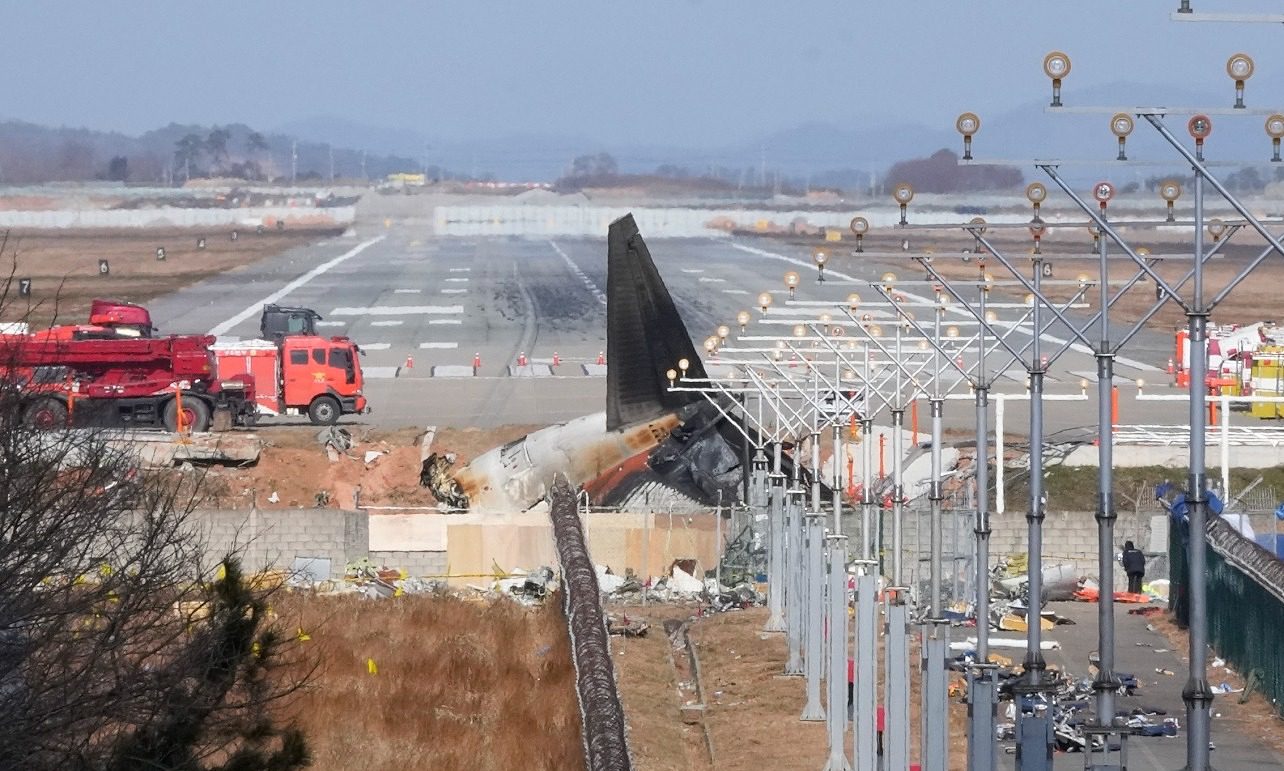
Examinations of the recovered engines revealed no pre-existing defects before the bird strike and subsequent crash. The incident occurred on December 29 when a Boeing 737-800 jet crashed at Muan Airport, resulting in the deaths of all but two of the 181 passengers and crew members. This marked the deadliest air disaster in South Korean history.
During a briefing for victims’ families, investigators noted that the right engine had sustained more severe damage from the bird strike than the left. There is also circumstantial evidence suggesting that the pilots may have turned off the less-damaged left engine. These findings were reported by several South Korean media outlets, including MBN and Yonhap.
Delays and Controversies
South Korea’s Aviation and Railway Accident Investigation Board (ARAIB), which is leading the probe, did not immediately respond to requests for comment. Boeing referred questions about the crash to ARAIB, while CFM International, the engine manufacturer, also did not provide an immediate response.
Jeju Air stated it is cooperating fully with the investigation and awaits the official results. Most air crashes involve multiple factors, and international regulations typically require a final report within a year of the accident. A preliminary report released in January mentioned duck remains found in both engines, but it did not provide specific details on the extent of damage or the presence of remains in each engine.
Family Concerns and Criticisms
On Saturday, the South Korean investigation body canceled a planned release of updates regarding the engines, following objections from the families of the crash victims. The families were briefed on the report before its scheduled release, but they expressed concerns that it appeared to place blame on the pilots without considering other contributing factors.
The Jeju Air flight overshot the runway during an emergency belly landing and crashed into an embankment containing navigation equipment, causing a fire and partial explosion. Representatives from the victims’ families and the pilots’ union highlighted the need for further investigation into the embankment, which aviation experts suggest may have contributed significantly to the high death toll.
Union Accusations and Public Misinformation
The Jeju Air pilots’ union accused the ARAIB of misleading the public by implying there was no issue with the left engine, despite traces of bird remains being found in both engines. The union criticized the investigation for failing to provide scientific evidence that the plane could have landed safely with only the left engine operational. It also claimed that the ARAIB was attempting to make the pilots “scapegoats.”
The union pointed out that investigators have not provided evidence to support the idea that the accident resulted from pilot error. Additionally, it raised concerns about the lack of discussion on organizational responsibility. A representative group for bereaved families also criticized the planned press release for phrases that could be interpreted as indicating a final conclusion, emphasizing the need for full clarification of all facts surrounding the incident.