


The Pervasive Problem of Counterfeit Cosmetics
A recent study has uncovered a disturbing trend in the beauty industry: a significant number of cosmetics sold by third-party sellers on major online platforms are counterfeit and may pose serious health risks. Researchers have described their findings as “alarming,” warning that consumers who are lured by discounts on fake designer products could be exposed to harmful ingredients.
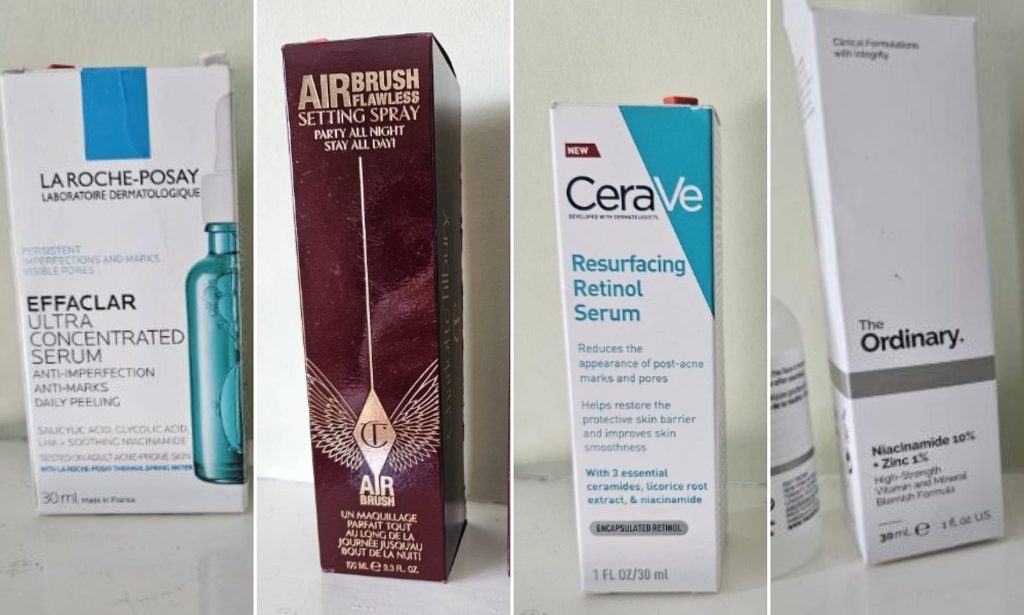
The investigation involved purchasing 34 makeup and skincare products from various online marketplaces, including Amazon, eBay, TikTok, and Vinted. These items were advertised as being from well-known brands such as Charlotte Tilbury, La Roche Posay, Maybelline, MAC, and The Ordinary. However, after conducting detailed inspections and comparing them with genuine products purchased from trusted retailers, researchers concluded that 23 out of the 34 items (67%) were likely counterfeit.
High Rates of Falsification Across Platforms
The results varied across different platforms. On Amazon, four out of 11 products were found to be fake, while eight out of 11 products on eBay were also counterfeit. On TikTok Shop, five out of six items were identified as fakes, and all six products purchased from Vinted were determined to be counterfeit. This high rate of falsification highlights the widespread nature of the issue.
Doctors warn that using counterfeit cosmetics can lead to severe consequences. Previous investigations have revealed that fake beauty products have contained harmful substances such as animal feces, urine, arsenic, lead, and mercury. These toxic ingredients can cause skin irritation, infections, or even chemical burns.
Risks of Unregulated Products
Dr. Aamna Adel, a consultant dermatologist, explained that counterfeit products often lack proper regulation, which means they may be incorrectly formulated even if they contain genuine active ingredients like glycolic acid or retinol. This can result in adverse effects on the skin, she said.
In contrast, legitimate cosmetics undergo rigorous safety checks and are produced under controlled conditions. Which? noted that many of the counterfeit items were difficult to detect at first glance, only becoming apparent when compared directly with genuine samples.
For example, a bottle of Charlotte Tilbury Airbrush Flawless Setting Spray appeared authentic on the outside but had a strong floral scent that was noticeably different from the real product. Similarly, a MAC Macximal silky matte lipstick purchased from Vinted for £15 arrived in packaging that closely resembled the original, but the lipstick itself had a smudged logo and was subtly different in appearance.
Another example was a La Roche Posay Effaclar Serum bought from Vinted, which smelled more like shampoo than a skincare product. Additionally, the text on the box was completely different from the genuine version. When researchers purchased discounted CeraVe Resurfacing Retinol Serum from Amazon, eBay, and Vinted, all three versions came in different packaging and lacked the expected safety markings.
Popular Listings and High Profit Margins
Some of the most popular counterfeit products were those from The Ordinary, with listings on eBay having sold over 2,600 items and nearly 1,000 on TikTok Shop. Despite being among the most affordable items in the study, these products still attracted a large number of buyers.
Phil Lewis, Director General of The Anti-Counterfeiting Group, pointed out that even on cheaper fake products, profit margins are extremely high. This means that consumers should remain vigilant, even when discounts seem reasonable.
Calls for Government Action
Which? is urging the government to reform the enforcement system and advising shoppers to be cautious when purchasing items from online marketplaces. The organization recommends buying cosmetics directly from brand websites or affiliated retailers to ensure authenticity and safety.
Rocio Concha, director of policy and advocacy at Which?, emphasized the alarming nature of the findings. She noted that teenagers, in particular, are often drawn in by the promise of big discounts on popular brands. Consumers should have the same confidence in online purchases as they do in high-street shopping, but the reality is that they risk buying untested and potentially toxic products.
She called for Trading Standards to take decisive action against counterfeit goods, but highlighted that limited resources and competing priorities have led to a deprioritization of counterfeit investigations in many areas. The government must ensure that online marketplaces have clear responsibilities to prevent the sale of fake products and commit to reforms that modernize consumer enforcement.
Responses from Major Brands
Online retailers have stated that they prohibit the sale of counterfeit items and take steps to prevent fakes from being sold. L’Oréal Groupe, which owns several of the brands included in the study, expressed its commitment to combating counterfeiting and protecting consumer health and brand integrity. The company collaborates with law enforcement agencies and online platforms to address this issue.
However, Charlotte Tilbury and The Ordinary did not respond to requests for comment.