







Transition to Electric Vehicles in Ho Chi Minh City
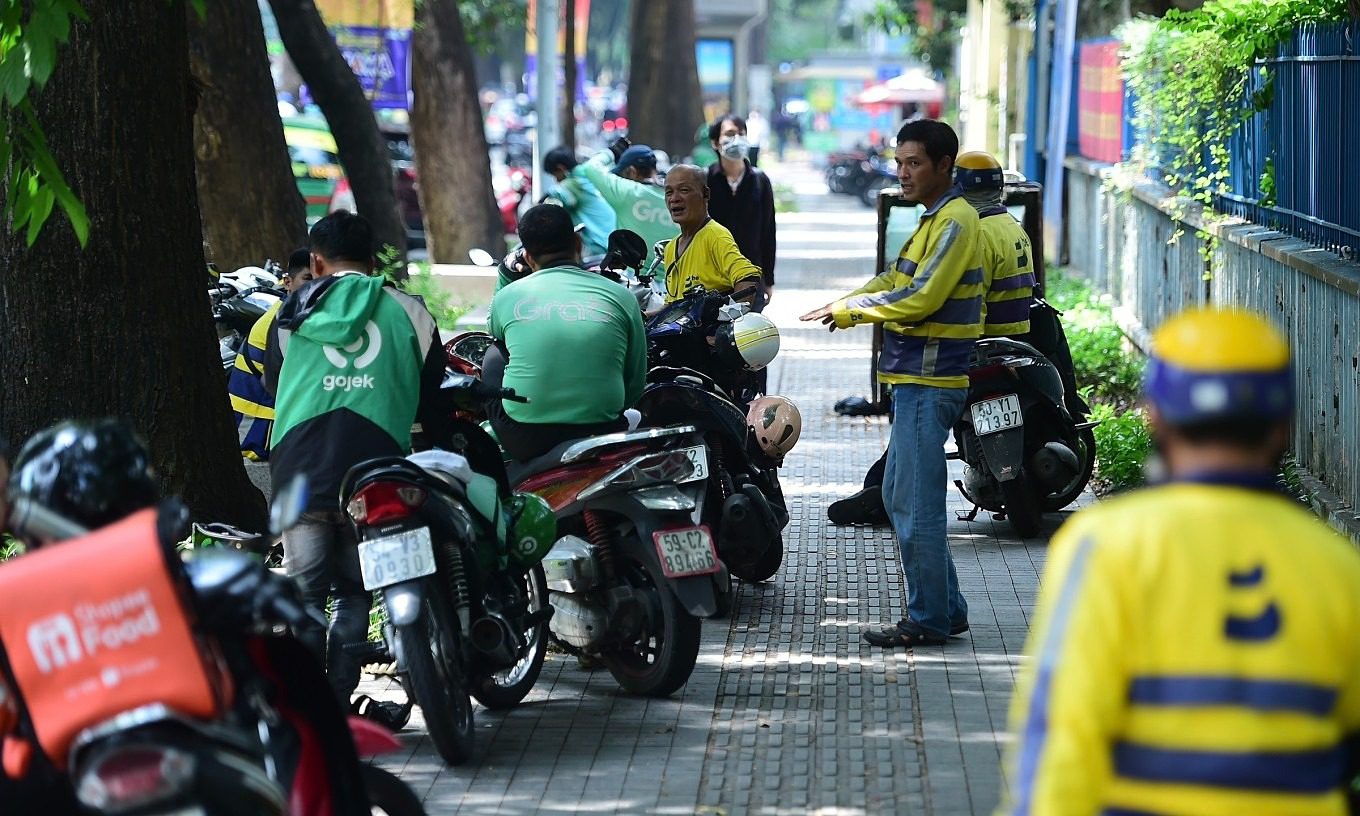
Ho Chi Minh City is taking significant steps towards a greener future by planning to phase out gasoline-powered motorbikes used by ride-hailing and delivery drivers. Starting from 2026, these drivers will only be allowed to register electric vehicles, according to a draft proposal that aims to reduce emissions and improve air quality in the city.
The transition will be gradual, with existing gasoline vehicles being phased out by the end of 2028. This initiative is part of a broader strategy by the Ho Chi Minh City Institute for Development Studies (HIDS) to implement mandatory technical milestones and provide incentives to ensure financial stability for drivers. The plan includes support for trade-ins, facilitating electric vehicle loans, and developing charging infrastructure.
The city will begin converting gas-powered vehicles over a two-year period starting in early 2026. The goal is to convert 30% of the vehicles by the end of 2026 and 80% by 2027, with the remaining vehicles being replaced by 2028. From 2029, no gasoline motorbikes will be allowed on ride-hailing and delivery platforms.
Low-Emission Zones and Incentives
To further support the transition, the city plans to establish low-emission zones where gasoline vehicles will be restricted during peak hours from 2027 and banned entirely from 2028. Early adopters among ride-hailing drivers will benefit from various incentives, including a 2% interest rate subsidy on loans and waivers on VAT and registration fees for the first two years. These benefits will decrease by half in the third year.
The city also aims to assist tens of thousands of low-income drivers through targeted support programs. Additionally, tech platform providers are encouraged to promote the benefits of electric vehicles (EVs), offer bonus points to drivers using EVs, and encourage environmentally conscious service choices. For example, each electric ride could earn drivers an extra VND500–1,000 (US$0.02–0.04).
Charging Infrastructure and Safety Measures
One of the main challenges in transitioning to electric vehicles is the development of adequate charging infrastructure. Currently, there are around 50 battery-swapping stations in the city, with two more companies expected to invest in this sector. The city plans to support businesses in developing mobile charging stations and rest stops.
A task force comprising officials from the construction department, power industry, and fire safety authorities has been formed to survey buildings and develop a citywide EV charging point map. This map will guide investment decisions and support policy development. In rental housing areas, authorities will enhance inspections to ensure the safety of EV use.
Broader Emissions Control Program
The EV transition is part of Ho Chi Minh City’s broader emissions control program in response to Directive 20 on urgent environmental protection measures. The city plans to seek more autonomy from the government to effectively implement the program. Costs incurred on tax breaks and interest subsidies will be offset by revenues from carbon credit trading.
Alongside the plan to switch over 400,000 motorbikes, the city Department of Construction is collecting feedback on restricting gasoline and diesel vehicles in high-pollution areas. The survey includes assessing emission levels, proposing new standards, and setting restrictions for vehicles in zones with poor air quality. It has proposed integrating emission control policies with land use planning to invest in parking lots and EV charging stations.
Other agencies have been asked to study and suggest draft regulations on fuel production, imports, and distribution to align with the city’s new emissions standards. This effort is part of the city’s emissions control plan that is being developed in two phases.
Future Plans and Challenges
The first phase, which focused on transitioning buses to green energy, has been completed, with a target of making all buses eco-friendly by 2030. With HCMC recently merging with Binh Duong and Ba Ria–Vung Tau provinces, the Department of Construction is working with other relevant agencies to evaluate the impact of the emission control plan and propose a comprehensive plan in the newly expanded city.
The second phase involves developing a citywide roadmap that will be submitted to the People’s Committee and People’s Council once completed. The focus will be on incentives to help individuals and businesses switch from gas-powered to electric vehicles, including buyback programs and subsidies for clean energy vehicles.
As of June 2025, HCMC had over 9.6 million registered vehicles, the highest number in the country, including over one million cars. According to the Department of Construction, motorbikes account for 90% of all vehicle-related emissions in the city. The proposal estimates that emission control measures could cut over 56,000 tons of CO and 4,400 tons of HC per year.
The government first introduced vehicle emissions control measures in 2010 when the government approved a plan targeting Hanoi and HCMC. However, implementation has been patchy due to the lack of legal provisions. In 2020, HCMC’s Department of Transport launched a pilot program to monitor motorbike emissions, offering free testing at maintenance centers to develop a roadmap. The program was halted following the enactment of a new Environmental Protection Law, which required a more comprehensive and coordinated approach.