


The Legacy of a Lifelong Anti-Nuclear Activist
In the heart of Hiroshima, where the echoes of history still resonate, one man dedicated his life to fighting against the very weapons that had devastated his city. Ichiro Moritaki, known as “the father of anti-nuclear movements,” spent decades advocating for the abolition of nuclear weapons and the rights of atomic bomb survivors. His unwavering commitment left an indelible mark on both Japan and the global anti-nuclear movement.
Moritaki’s journey began in 1945 when he was exposed to the atomic bomb while leading students at a shipyard in Hiroshima. The blast left him with severe injuries, including the loss of vision in one eye. This traumatic experience shaped his perspective and ignited a lifelong mission to prevent such tragedies from recurring. His philosophy, rooted in the belief that “nuclear weapons and humanity cannot coexist,” became a guiding principle for those who followed in his footsteps.
Throughout his life, Moritaki staged countless sit-ins in front of the Cenotaph for the A-bomb Victims at Peace Memorial Park. These protests were not only acts of defiance but also powerful symbols of solidarity with the victims. Dressed in a shirt and tie, his dignified presence reminded all who witnessed it of the gravity of the cause. Each sit-in was a reminder that the fight against nuclear weapons was far from over.
His daughter, Haruko, recalls how her father carried the weight of the past on his back. She remembers finding a small skull in a river after the bombing—a haunting symbol of the lives lost. This moment, among many others, deepened her understanding of the human cost of war and the importance of remembering those who suffered.
Moritaki’s activism extended beyond protests. He played a pivotal role in establishing Nihon Hidankyo, the Japan Confederation of A- and H-Bomb Sufferers Organizations. As its first chairperson, he worked tirelessly to secure government compensation for victims, although this goal remains unfulfilled. His efforts also included supporting orphans and providing psychological and economic aid to children affected by the bombings.
The movement faced challenges, particularly during the 1963 World Conference against Atomic and Hydrogen Bombs, where internal disagreements led to a split. Despite this, Moritaki remained steadfast in his opposition to all forms of nuclear testing and armament. His speech at the conference was met with mixed reactions, highlighting the complexities of global politics and the difficulty of uniting diverse voices under a common cause.
In 1962, Moritaki took a bold step by resigning from his teaching position to focus entirely on his activism. His 12-day sit-in protest marked the beginning of a tradition in Hiroshima, where similar demonstrations have taken place each time nuclear tests occur abroad. Over the course of his life, he participated in more than 500 sit-ins, embodying the spirit of resistance and hope.
As the years passed, Moritaki’s views evolved. Initially, he supported the peaceful use of nuclear power, but after meeting with uranium miners and scientists opposed to nuclear energy, he shifted to advocating for “absolute denial of the nuclear.” This change reflected his growing awareness of the broader risks associated with nuclear technology.
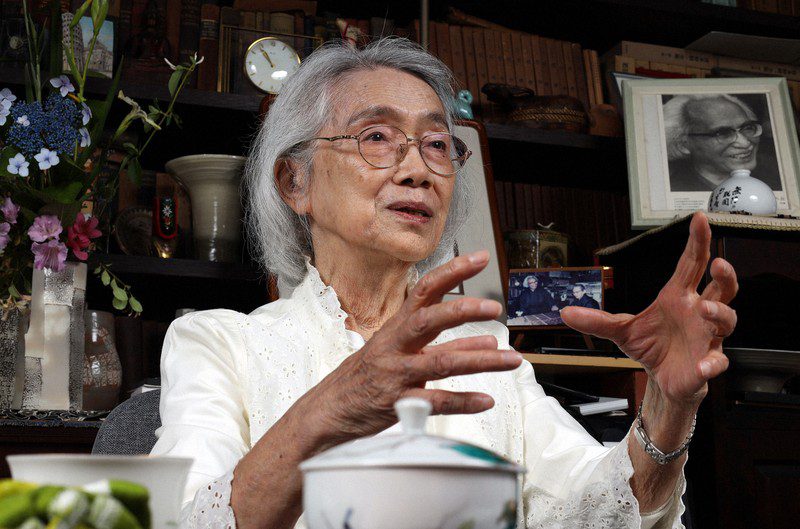
In the 1980s, Moritaki underwent cataract surgery, which restored some of his vision. This renewed clarity further strengthened his resolve to stand with nuclear victims worldwide. His legacy continues through his daughter, Haruko, who now serves as co-representative of the Hiroshima Alliance for Nuclear Weapons Abolition (HANWA). She is actively preparing for the World Nuclear Victims Forum, an event that will bring together victims of uranium mining, nuclear testing, and accidents from around the globe.
Haruko, who has faced her own health challenges, carries forward her father’s message. “Nuclear weapons and humanity cannot coexist” is not just a slogan for her—it is a personal commitment. Her work underscores the ongoing need for global cooperation in the fight against nuclear weapons and the pursuit of peace.