









Understanding the Hidden Dangers of Blast Exposure
Recent studies have uncovered a significant concern for military personnel: the potential for brain damage caused by repeated exposure to blast waves from heavy weapons. This revelation has led to a deeper understanding of how these forces can affect the human brain, even in cases where visible injuries are not apparent.
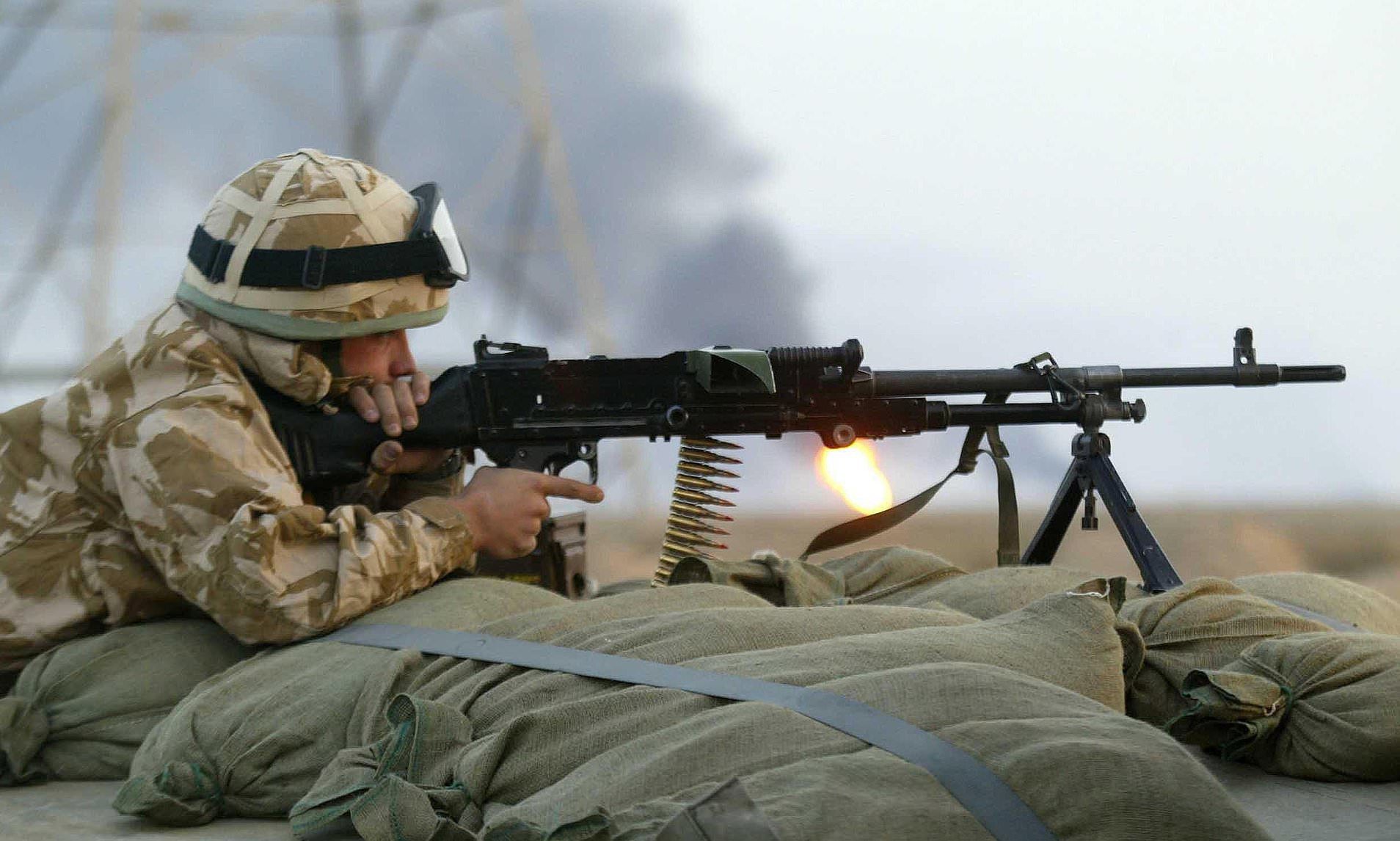
Blast waves generated by machineguns and anti-tank weapons can produce harmful overpressure, which is a sudden increase in air pressure that can penetrate the skull. Once inside the brain, this energy can cause microscopic damage to blood vessels and neurons. Over time, repeated exposure may overwhelm the brain’s natural healing processes, leading to serious long-term neurological issues.
The symptoms of blast-related traumatic brain injury (TBI) often overlap with those of post-traumatic stress disorder (PTSD), making diagnosis challenging. Common signs include severe headaches, visual disturbances, sensitivity to noise and light, memory loss, and changes in personality. These overlapping symptoms highlight the need for more accurate diagnostic tools and increased awareness among medical professionals.
Lieutenant Colonel James Mitchell, a Royal Army Medical Service neurologist, emphasized the evolving understanding of blast exposure. He noted that while earlier campaigns primarily associated mild TBI with direct impact or large explosions, recent years have seen a growing recognition of the risks posed by “low level blast” from weapon systems. According to Mitchell, thousands of service members have been exposed to harmful blasts, with potentially higher numbers among veterans.
Individuals most at risk are those repeatedly exposed to heavy weapons such as mortars, certain shoulder-launched anti-tank weapons, 50-calibre rifles, machine guns, and explosive charges. These weapons generate significant blast overpressure, increasing the likelihood of brain damage.
Researchers at the University of Birmingham are actively involved in the mTBI Predict study, collaborating with the Ministry of Defence to better understand the effects of blast exposure. Neuroscientist Professor Lisa Hill explained that when the brain is damaged, it releases biomarkers—biological indicators that help scientists identify and assess the extent of the injury. By measuring these markers in blood or saliva, researchers can gain insights into the severity of the injury and the potential symptoms that may follow.
Professor Karen Mullinger, an expert in neuro-imaging at Nottingham University, is using advanced technology called OPM MEG to identify patterns of brain damage. Her work includes studying soldiers in real-time to determine which activities pose the highest risk. By scanning soldiers before and after training exercises, she aims to establish a baseline specific to each individual. If the brain’s neural pathways are damaged, changes in function may become evident.
The data collected from these studies could influence policy decisions, such as modifying the design of weapons to reduce blast exposure or adjusting training protocols to minimize risk. These efforts aim to protect military personnel and ensure their long-term health and well-being.
The Ministry of Defence (MOD) acknowledged the importance of addressing blast-related injuries. They stated that the health and wellbeing of armed forces personnel is a top priority, and they provide specialized medical treatment for TBI at the Defence Medical Rehabilitation Centre. The MOD also recognized that recent advances in technology have made it possible to detect and understand the physical changes caused by blast exposure. While long-term effects are still under investigation, ongoing research is focused on improving diagnosis, management, and rehabilitation for both military and civilian patients.
With over £4 million allocated for advanced research, the UK and its international partners are working to develop better strategies for treating mild traumatic brain injuries. This investment underscores the commitment to protecting the health of those who serve and ensuring that the hidden dangers of blast exposure are addressed effectively.