








The UK Faces Potential Legal Challenges Over Climate Change Contributions
A recent ruling by the International Court of Justice (ICJ) has sparked discussions about the legal responsibilities of nations in addressing climate change. The court emphasized that countries are obligated to comply with climate treaties, and failure to do so could be considered a breach of international law. Although the decision is non-binding, it has the potential to influence global legislation and may lead to an increase in legal actions against countries like the UK.
The ICJ’s advisory opinion has raised concerns among political parties in the UK. The Conservatives warned that the Labour Party, under the guidance of Attorney General Lord Hermer, might place excessive emphasis on international law, which they described as an “ideological obsession.” This warning highlights the ongoing debate over how national governments should balance their commitments to international agreements with domestic priorities.
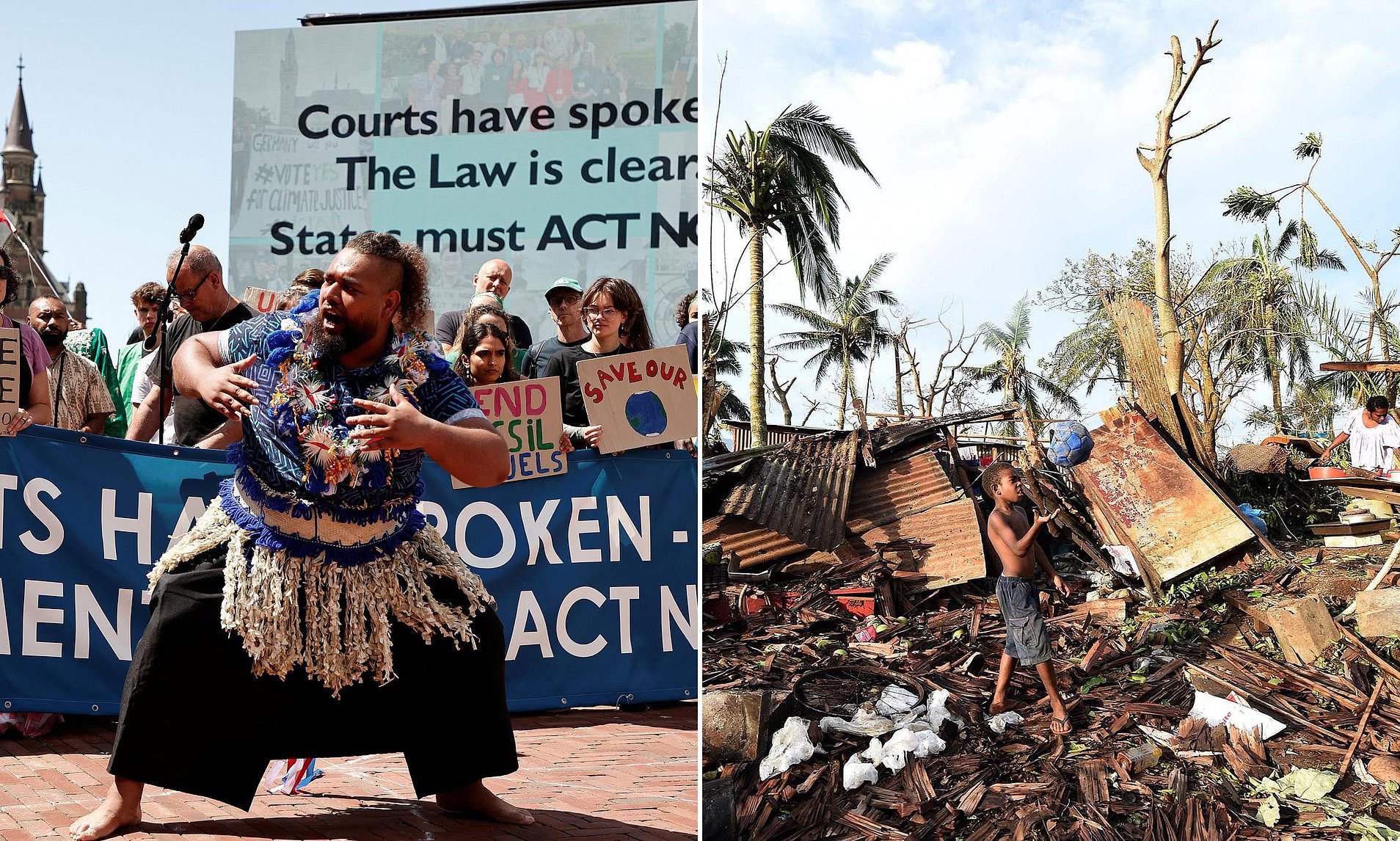
Environmental groups have welcomed the ruling, viewing it as a significant victory for small nations disproportionately affected by climate change. These countries often bear the brunt of the environmental damage caused by larger, more industrialized nations such as the United States and China. The ruling underscores the importance of holding all countries accountable for their contributions to climate change.
Judge Yuji Iwasawa, the president of the ICJ, stated that failure by a state to take appropriate action to protect the climate could constitute an internationally wrongful act. This statement has been interpreted as a call for stronger enforcement of climate obligations across the globe.
Legal experts have noted that this ruling could mark the beginning of a new era in climate accountability. Danilo Garrido, legal counsel for Greenpeace, highlighted that the judgment signals a shift towards greater legal scrutiny of climate-related actions. Similarly, Sebastien Duyck from the Centre for International Environmental Law suggested that the ruling opens the door for nations to seek legal redress for damages caused by climate change.
Joana Setzer, a climate litigation expert at the London School of Economics, emphasized that the ruling adds weight to calls for fair and effective climate reparations. She pointed out that the ICJ’s decision could encourage more countries to pursue legal avenues to address the impacts of climate change.
The case, which involved 96 countries, 10,000 pages of documents, 15 judges, and two weeks of hearings in December, represents one of the largest cases ever heard by the ICJ. The court addressed two key questions: the obligations of countries under international law to protect the climate, and the legal consequences for those who fail to meet these obligations.
Wealthier nations, including the UK, argued that existing treaties such as the 2015 Paris Agreement should determine their responsibilities. However, developing nations and island states, such as Vanuatu, advocated for stronger legally-binding measures and called for reparations. The court ruled that developing nations have the right to seek damages for the impacts of climate change, including destroyed buildings and infrastructure.
Despite the ruling, the court did not specify when these responsibilities would date from, leaving open questions about whether countries could be held accountable for historical emissions dating back to the Industrial Revolution. Government sources have stressed that the UK will not be obligated to pay reparations, although this stance may be tested by legal challenges.
A Foreign Office spokesperson stated that the UK would need time to review the detailed, non-binding, advisory opinion before making any further comments. They also emphasized the country’s commitment to collaborating with other nations to create conditions for greater ambition and action in climate efforts.
While the ruling is not binding, previous ICJ decisions have influenced government actions. For example, the UK agreed to hand back the Chagos Islands to Mauritius last year. This precedent suggests that future rulings could have tangible effects on national policies.
Shadow Foreign Secretary Priti Patel criticized the court’s climate ruling, calling it “mad” and accusing the ICJ of losing its core purpose. She argued that the court is now engaging in political campaigns driven by ideological obsessions, which could undermine the sovereignty of national governments. Patel challenged Labour to prioritize Britain’s interests and clarify their stance on the advisory ruling.
As the implications of the ICJ’s decision unfold, the UK and other nations will need to navigate the complex interplay between international law, domestic policy, and global climate responsibilities. The outcome of this evolving legal landscape could shape the future of climate action and international cooperation.