






Health Secretary Shifts Focus to Patient Safety Amid Ongoing Doctors’ Strikes
Wes Streeting, the UK’s health secretary, has instructed his officials to prioritize patient safety as the ongoing strikes by resident doctors continue. This move comes after failed peace talks between the British Medical Association (BMA) and government officials. The health secretary has made it clear that all forms of engagement with the BMA will now be suspended, allowing officials to focus on mitigating the impact of the strike action.
Streeting criticized the BMA for choosing a path of full dispute, accusing them of showing “scant regard for patients” and failing to act in “good faith.” He emphasized that the decision to proceed with strikes is not only reckless but also puts the NHS under significant strain.
Up to 50,000 resident doctors, previously known as junior doctors, are set to walk out for five days starting at 7am on Friday. Their demand includes a 29% pay rise, despite having already received above-inflation pay increases over the past three years. These raises totaled an extra 28.9% in total, following previous strikes.
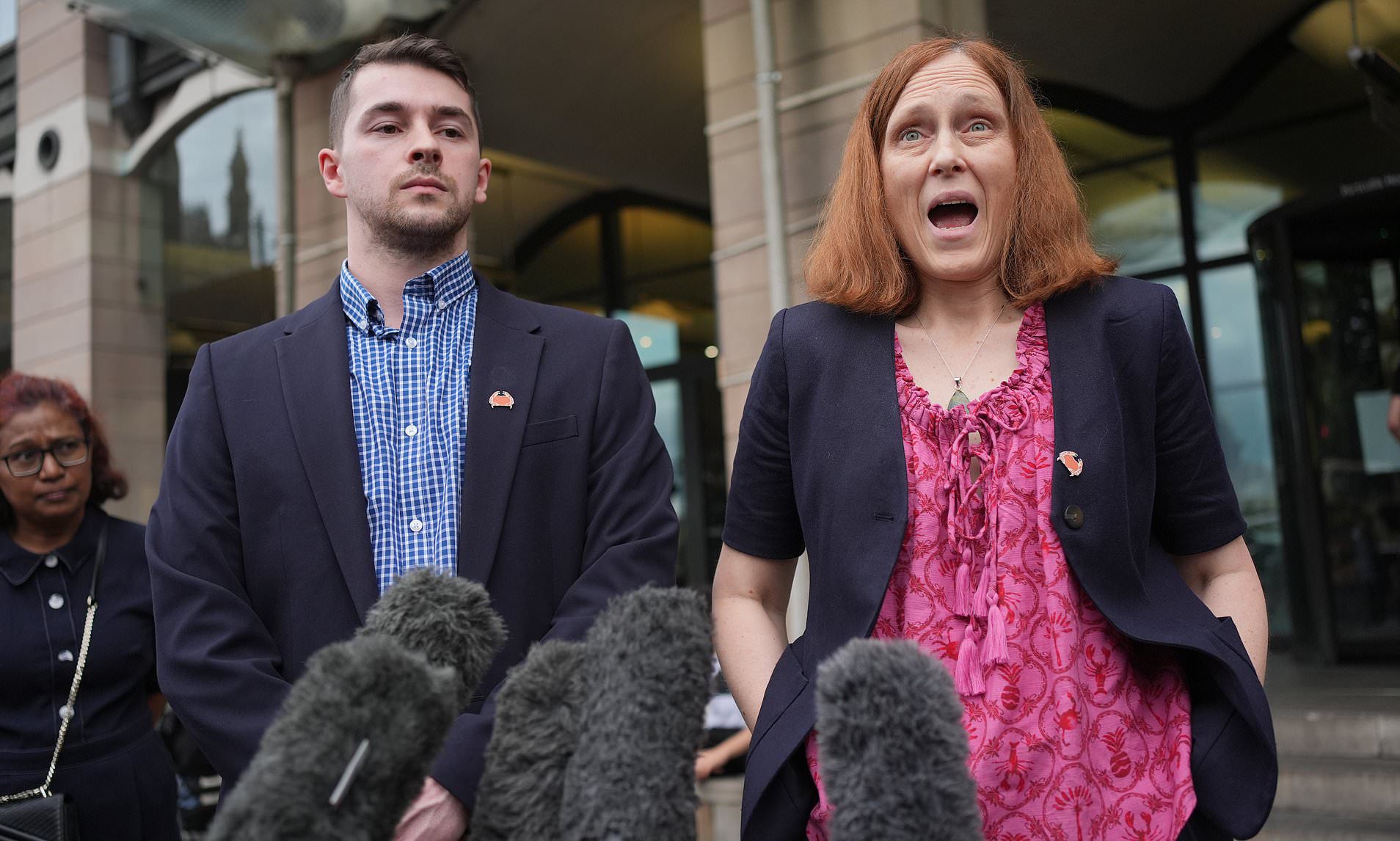
The BMA and the Department of Health and Social Care held discussions over the weekend in an attempt to reach a settlement. However, the BMA’s resident doctors committee rejected the proposal, stating they would proceed with industrial action. In response, Streeting addressed the RDC leaders, criticizing their decision as “reckless and irresponsible.”
In a letter seen by the Daily Mail, Streeting wrote: “The decision taken by your committee to commence strike action this week is reckless and irresponsible.” He stressed that strike action should always be a last resort and warned that the BMA RDC’s actions could harm both patients and other NHS staff.
Despite the criticism, Streeting reiterated that he was open to negotiating on other areas that could improve the working conditions and financial stability of resident doctors. However, he noted that the BMA had not engaged in good faith during the discussions.
He pointed out that strikes have far-reaching consequences for the NHS, affecting not only patients but also the government’s ability to deliver improvements to the healthcare system. With the strikes proceeding, Streeting said he could not allow patients or other NHS staff to bear the brunt of the decision.
He added that the BMA had chosen a path of full dispute, which would have consequences for the entire NHS system. As a result, he has asked his department to prioritize minimizing the impact of the strike action, and all forms of engagement with the BMA RDC will now cease.
Streeting expressed that he entered office with a genuine desire to work with resident doctors to improve their lives. However, he claimed that the BMA had squandered this opportunity and exhausted his goodwill. He urged the union to reconsider its position, suggesting that resident doctors on the frontline could achieve a better future with improved leadership.
NHS managers’ membership groups have warned that the strikes will cause widespread disruption and put patients at risk. Public opinion polls show that the majority of the public opposes the industrial action. Additionally, there are concerns that consultant members of the BMA may charge £6,000 to cover on-call rotas over the weekend.
The BMA argues that the pay of resident doctors has been cut in real terms since 2008 and is seeking full pay restoration. The ongoing conflict highlights the deepening divide between the government and medical professionals, with both sides unwilling to compromise on key issues. As the strikes approach, the focus remains on ensuring patient safety and minimizing the impact on the NHS.