


A New Era of Economic Partnership Between India and the UK
India and the United Kingdom have taken a significant step forward in strengthening their economic ties with the signing of the Comprehensive Economic and Trade Agreement (CETA). This landmark deal marks a major milestone in India’s engagement with developed economies, reflecting a shared commitment to enhancing economic integration. As the world’s fourth- and sixth-largest economies, the bilateral relationship between these two nations holds global economic significance.
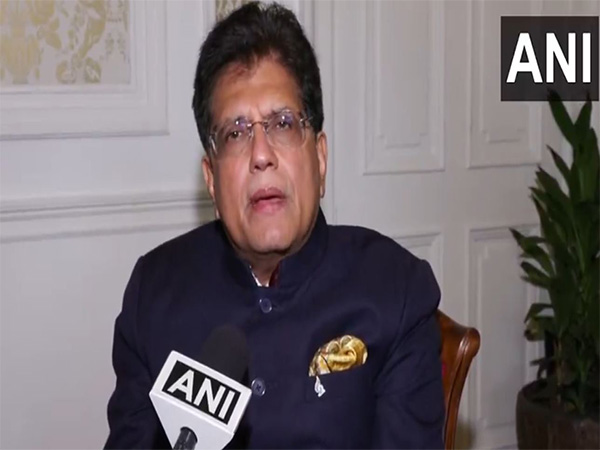
The agreement was signed by Union Commerce and Industry Minister Piyush Goyal and the UK’s Secretary of State for Business and Trade, Jonathan Reynolds, in the presence of both Prime Ministers. The deal has been described as “fantastic” by Goyal, who emphasized that it unlocks numerous opportunities for India while safeguarding its interests. Key sectors such as dairy, rice, and sugar, which are vital for farmers and Micro, Small, and Medium Enterprises (MSMEs), have been excluded from the scope of the Free Trade Agreement (FTA) to ensure their protection.
Opportunities for Indian Businesses and Workers
Goyal highlighted that labor-oriented sectors like textiles, footwear, leather, toys, furniture, and pharmaceuticals will open up for Indian businesses in the UK. He pointed out that this move is expected to create immense opportunities for workers, farmers, and women in India. Additionally, individuals from India working temporarily in the UK will now be able to deposit their earnings into their Provident Fund (PF) accounts in India, ensuring that their savings are not lost.
The FTA also addresses concerns related to social security. Previously, Indian workers who came to the UK for short durations faced losses of around 25% due to lack of benefits or pension schemes. Now, they can contribute to their PF accounts, allowing their hard-earned money to serve as savings rather than being lost.
Implementation and Future Prospects
While the cabinet approval in India had already taken place, the UK process involves parliamentary approval, which is expected to take a few months. However, with bipartisan support from both sides, the agreement is anticipated to be approved and implemented soon. This certainty allows industries and businesses to begin planning and preparing their supply chains, work on approvals, and order necessary resources.
The CETA agreement follows successful negotiations announced on May 6, 2025. Bilateral trade between India and the UK currently stands at nearly USD 56 billion, with a joint goal to double this figure by 2030.
Key Benefits of the Agreement
The CETA secures duty-free access for 99% of India’s exports to the UK, covering nearly the entire trade basket. This is expected to open new opportunities for labor-intensive industries such as textiles, marine products, leather, footwear, sports goods, toys, and gems and jewellery, alongside fast-growing sectors like engineering goods, auto components, and organic chemicals.
The services sector, a strong driver of India’s economy, will also see wide-ranging benefits. The agreement provides greater market access in IT and IT-enabled services, financial and legal services, professional and educational services, and digital trade.
Indian professionals, including those deployed by companies to work in the UK across all service sectors, will benefit from simplified visa procedures and liberalized entry categories. This makes it easier for talent to work in the UK, whether they are architects, engineers, chefs, yoga instructors, or musicians.
Social Security and Inclusivity
India has also secured an agreement on the Double Contribution Convention, which will exempt Indian professionals and their employers from social security payments in the UK for up to three years. This improves the cost competitiveness of Indian talent and supports the growth of the services sector.
The agreement has been designed to make trade more inclusive. Women and youth entrepreneurs, farmers, fishermen, startups, and MSMEs will gain new access to global value chains. Provisions in the agreement encourage innovation, promote sustainable practices, and reduce non-tariff barriers.
Conclusion
The India-UK CETA is expected to significantly boost trade volumes in the coming years, creating jobs, expanding exports, and supporting a deeper, more resilient economic relationship between the two nations. This landmark agreement underscores the growing economic partnership and mutual benefits that both countries stand to gain.