



Nigeria Approves Massive External Borrowing Plan for 2025–2026 Fiscal Period
The Nigerian House of Representatives has approved a comprehensive external borrowing plan totaling N37.302 trillion for the 2025–2026 fiscal period. This initiative, part of the 2025–2026 External Borrowing (Rolling) Plan, includes significant amounts in foreign currencies such as $21.89 billion, €2.19 billion, JPY15 million, and €65 million in grants. At current exchange rates, this translates to a total of N37.301 trillion.
Breakdown of the Borrowing Framework
At the official exchange rate of N1,519.12 per dollar, the $21.89 billion component equates to N33.25 trillion. The €2.19 billion at N1,791.73 per euro adds up to N3.93 trillion. The JPY15 million, converted at N10.39 per yen, is approximately N155.8 million. Additionally, the €65 million grant is valued at N116.46 billion.
The federal government will access $15.63 billion, €1.72 billion, and JPY15 million under the plan. Another $2.73 billion will be allocated for joint federal and state projects, while cluster state initiatives will receive $606.7 million and €120 million. Individual states are also expected to benefit from $2.92 billion and €350 million respectively.
Domestic Debt Market Expansion
In addition to the external borrowing, the House approved N757.98 billion to be raised through the issuance of Federal Government Bonds in the domestic debt market. It also gave the go-ahead for raising up to $2 billion in foreign currency-denominated instruments through the Domestic Debt Market. This move aligns with the Presidential Executive Order No. 16 of 2023 on Foreign Currency Denominated Financial Instrument Local Issuance Programme.
Key Projects and Adjustments
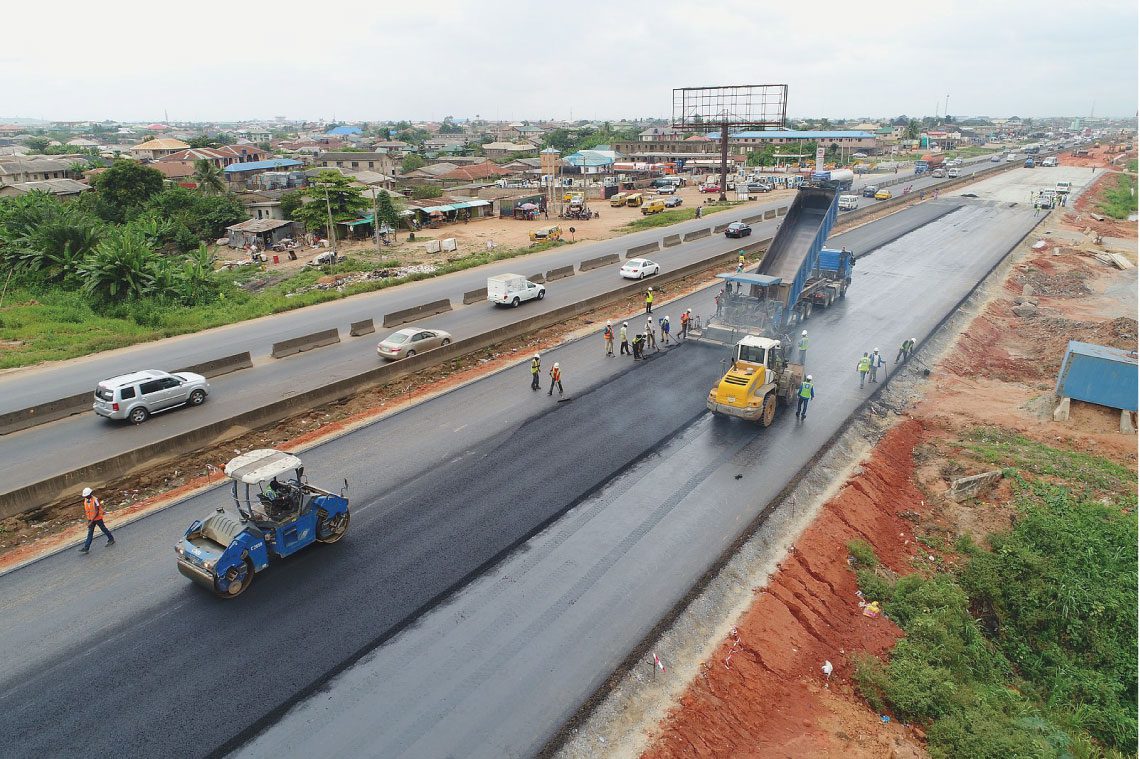
During the session, the House approved an upward revision of the loan size for Section 1 of Phase 1 of the Lagos-Calabar Coastal Highway from $700 million to $747 million. This adjustment was made after additional financing commitments of $47 million were secured through Export Credit Agencies.
The Committee on Aids, Loans, and Debt Management noted that the $300 million Nigeria Universal Communications Access Project was inadvertently excluded from the borrowing plan. This project aims to deploy 7,000 telecom towers across underserved communities and is crucial to the government’s Renewed Hope Agenda.
Alignment with Medium-Term Expenditure Framework
The Committee emphasized that the borrowing plan does not represent new borrowing for the 2025 fiscal year but aligns with the already approved Medium-Term Expenditure Framework (MTEF). This alignment is expected to ease funding disbursement delays that have hindered capital project execution.
Projects included in the plan were selected based on rigorous economic evaluation and their potential contribution to national development, including job creation, entrepreneurship, skills development, and poverty alleviation.
Concessional Loans and Development Projects
The loans will be sourced on concessional terms from development partners, offering low interest rates, extended moratoriums, and long repayment periods. This approach supports Nigeria’s fiscal sustainability.
Highlighted projects include the $1.5 billion Hope Health Education and Governance Project, $980 million Fibre Optics Network project, $500 million Sustainable Power and Irrigation Programme, and a $500 million scale-up of the Rural Access and Agricultural Market initiative.
These interventions are expected to reduce food inflation, boost export earnings, create millions of jobs, and stabilize the naira through enhanced external reserves. The €65 million grant component, which requires no repayment, will support climate resilience and gender empowerment initiatives.
Debt Sustainability and Revenue Projections
Despite the expanded borrowing, the Committee assured that Nigeria’s debt remains sustainable, with a debt-to-GDP ratio of around 50%, below the 56% international benchmark. The administration has reduced the debt service-to-revenue ratio from over 90% to below 70%.
Revenue projections under the 2025 Nigerian Tax Act are expected to grow by over 18% year-on-year from 2026, enhancing the country’s capacity to meet its debt obligations.
Benefiting States and Fiscal Compliance
Twelve states—Abia, Bauchi, Borno, Gombe, Kaduna, Katsina, Lagos, Niger, Oyo, Sokoto, Yobe, and Zamfara—are set to benefit from the approved concessional loans for infrastructure, clean energy, water transport, education, and healthcare projects.
In compliance with the Fiscal Responsibility Act (FRA) 2007, the House approved the capital raising of $2 billion for the foreign currency-denominated issuance programme. This initiative aims to broaden Nigeria’s funding base and integrate informal forex holdings into the formal economy.
Following the approvals, the House adjourned for its annual recess and is expected to reconvene on Tuesday, September 23, 2025.