


Stalled Negotiations Between South Korea and the U.S. Amid Tariff Deadline
As the August 1 deadline for U.S. President Donald Trump’s 25% tariffs on imports approaches, South Korean officials have not yet held face-to-face discussions with their American counterparts. While Japan, the Philippines, and Indonesia have recently reached agreements with Washington, negotiations between South Korea and the U.S. remain at a standstill. Seoul appears to be falling further down the priority list, raising concerns about its ability to secure favorable terms.
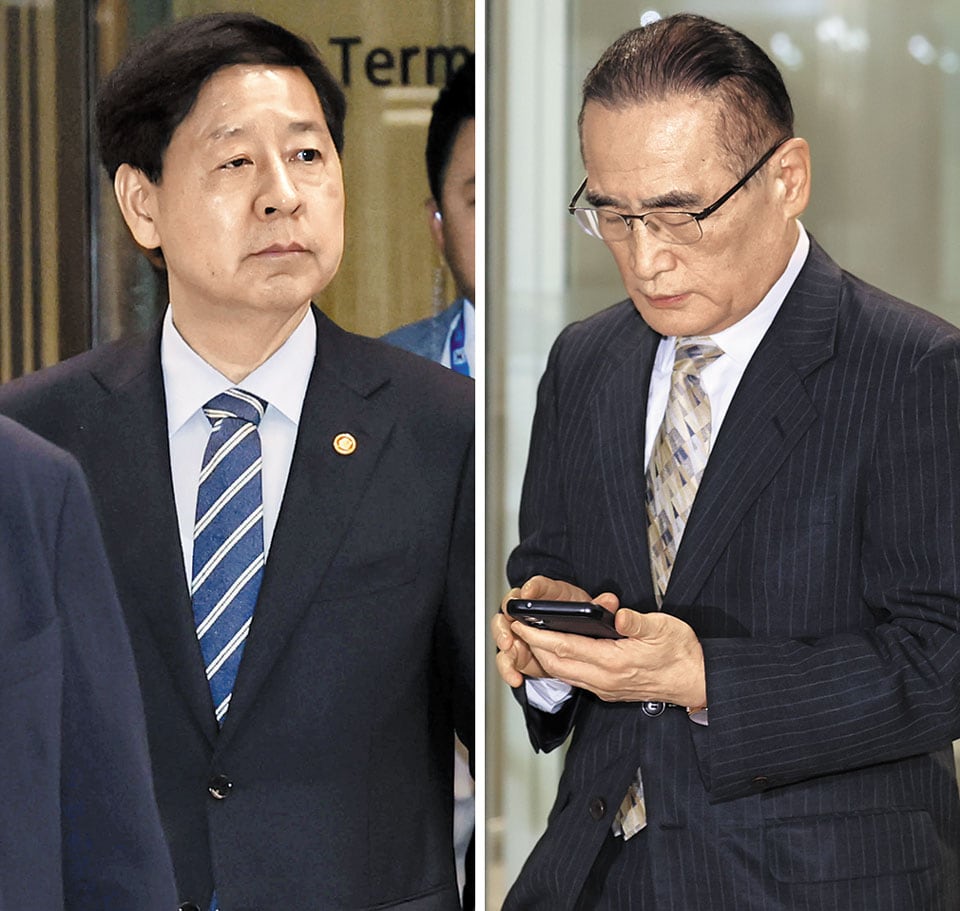
Deputy Prime Minister and Finance Minister Koo Yun-cheol was scheduled to travel to Washington, D.C., on July 24 for talks with U.S. Treasury Secretary Scott Bessent. However, he was forced to return from Incheon Airport after the U.S. abruptly canceled the South Korea-U.S. “2+2” finance and trade meeting set for July 25. The cancellation was communicated via email just over an hour before Koo’s flight, citing an urgent schedule for Bessent.
National Security Adviser Wi Sung-lac, who traveled to the U.S. on July 20, also returned home without meeting his counterpart, U.S. National Security Adviser and Secretary of State Marco Rubio. Wi had planned to meet with Rubio on July 21 but was informed that Rubio could not attend due to an extended meeting with Trump. The following day, U.S. officials stated that an in-person meeting would not be possible, so Wi spoke with Rubio by phone despite both being in Washington. He met with Commerce Secretary Howard Lutnick and U.S. Trade Representative Jamieson Greer, but was unable to meet his direct counterpart.
Industry Minister Kim Jung-kwan arrived in Washington on July 23 and met with Commerce Secretary Howard Lutnick on July 24. The Ministry of Trade, Industry and Energy also announced that Trade Minister Yeo Han-koo, who arrived a day earlier, will hold talks with USTR Representative Jamison Greer. However, with Treasury Secretary Scott Bessent set to attend U.S.-China negotiations in Sweden from July 28 to 29, it remains uncertain whether the canceled 2+2 meeting can be rescheduled.
Foreign Minister Cho Hyun tried to arrange a phone call with Rubio immediately after taking office on July 21 but was unsuccessful. Instead, he spoke with Japan’s foreign minister first. A South Korea-U.S. foreign ministers’ meeting is expected next week, but the schedule is still being finalized.
Strategic Delays and Negotiation Tactics
The repeated cancellations of high-level talks suggest the Trump administration is using meetings as a negotiation tactic. While South Korea seeks to resolve differences through summits or ministerial talks, the U.S. demands that Seoul first offer terms or figures that would satisfy Trump before agreeing to meet.
The South Korean government had planned for President Lee Jae-myung to visit Washington after some progress in trade and security talks to make a “package deal” with Trump. During a July 7 meeting with Rubio, Wi proposed holding a summit soon to reach a mutually beneficial agreement. The U.S. side reportedly agreed but later said a summit could only happen after Korea opens its agricultural markets and eases digital trade barriers. The last-minute cancellation of the 2+2 meeting and the refusal to meet Wi during his four-day stay in Washington are seen as indirect pressure from the U.S. to bring stronger proposals like market-opening commitments or investment plans to the table.
While Wi waited in Washington on July 21 and 22, Philippine President Ferdinand Marcos Jr. finalized a trade agreement with the U.S. following talks with Trump and meetings with the secretaries of state and defense. However, South Korea is running out of time, as Trump is scheduled to visit Scotland from July 25 to 29, leaving little room for last-minute negotiations.
Ongoing Challenges and Future Outlook
With the deadline fast approaching, the lack of meaningful dialogue between South Korea and the U.S. raises concerns about the potential impact of the tariffs on South Korea’s economy. The situation highlights the challenges of navigating complex trade relations under the current administration, where strategic delays and shifting priorities complicate diplomatic efforts.
South Korea continues to seek ways to engage with the U.S. effectively, but the absence of high-level meetings and the perceived lack of urgency from Washington threaten to undermine its position. As the clock ticks down, the need for clear communication and proactive engagement becomes more critical than ever. The coming days will determine whether South Korea can secure a favorable outcome or face the consequences of delayed negotiations.