


Israel Announces Airdrops and Humanitarian Corridors for Gaza
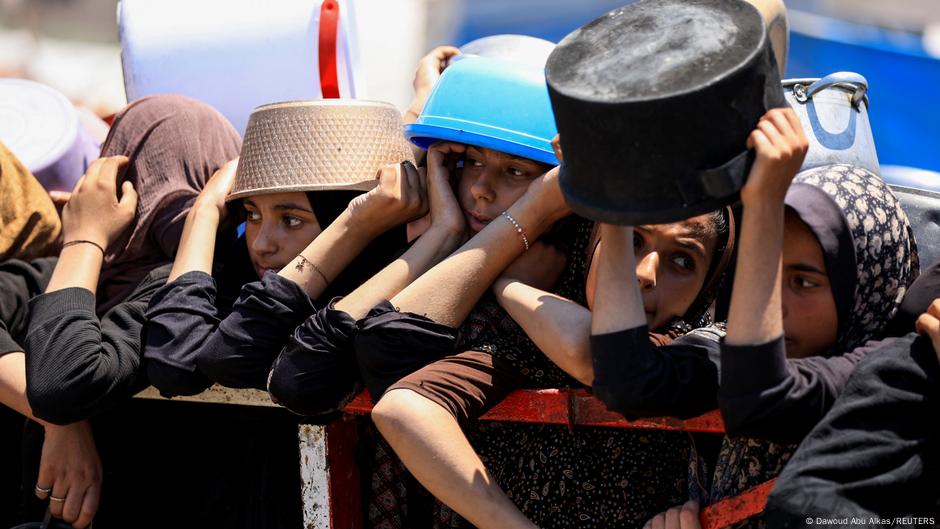
The Israeli military has announced that airdrops of aid into the Gaza Strip will resume, alongside the establishment of humanitarian corridors for United Nations convoys. This development comes amid growing concerns over the worsening humanitarian crisis in the region. The UN and various aid organizations have repeatedly warned about the risk of mass starvation, prompting urgent calls for action.
The military’s statement highlighted that the airdrops would include seven pallets of essential supplies such as flour, sugar, and canned food, provided by international organizations. However, it did not specify when the humanitarian corridors would open or their exact locations. The military also emphasized that combat operations against Hamas continue, while asserting that there is “no starvation” in the territory.
Despite these claims, international health and aid organizations have raised serious concerns about the dire conditions in Gaza. Over 21 months of conflict have led to severe shortages of food, water, medicine, and other critical supplies. Experts argue that airdrops are insufficient to meet the needs of millions of Palestinians, who remain trapped in a deteriorating situation.
UAE Resumes Airdrop Operations
In response to the escalating crisis, the United Arab Emirates has announced its decision to resume airdrop operations to deliver aid to Gaza. Emirati Foreign Minister Sheikh Abdullah bin Zayed Al Nahyan stated on social media that the humanitarian situation has reached a “critical and unprecedented level.” He pledged to ensure that essential aid reaches those most in need through land, air, or sea. The UAE’s move follows Israel’s recent announcement allowing foreign countries to conduct airdrops into Gaza to alleviate the suffering of civilians.
UK and Jordan Collaborate on Aid and Evacuation Plans
The United Kingdom is working closely with Middle Eastern allies, including Jordan, on plans to airdrop aid into the Gaza Strip and evacuate children requiring medical care. British Prime Minister Keir Starmer’s office confirmed this during a three-way phone call with French President Emmanuel Macron and German Chancellor Friedrich Merz. The leaders discussed the “appalling” humanitarian situation in Gaza and emphasized the need for a lasting ceasefire.
They agreed that robust plans must be put in place to turn an urgently needed ceasefire into long-term peace. The UK, France, and Germany also expressed a commitment to collaborate with other regional partners to advance these efforts. Despite differing stances on criticizing Israel, the three nations demonstrated a strong consensus on addressing the crisis.
Concerns Over Airdrops and Aid Diversion
While the resumption of airdrops is a positive step, some experts warn that such efforts are inefficient and costly. The head of the UN agency for Palestinian refugees (UNRWA), Philippe Lazzarini, criticized airdrops as “expensive, inefficient, and can even kill starving civilians.” He argued that a man-made hunger crisis can only be resolved through political will, urging the lifting of the siege and the opening of safe access routes for aid.
Dozens Killed While Waiting for Aid
The humanitarian situation remains dire, with reports of dozens of Palestinians killed by Israeli forces while waiting for aid. According to local authorities and medics, at least 40 people died in the Gaza Strip on Saturday, including 16 who were shot by Israeli troops near the northern Zikim border crossing. Doctors at Shifa Hospital in Gaza City reported 16 fatalities and 300 injured in the incident.
Israeli forces claimed they fired warning shots to disperse crowds after identifying an unspecified “immediate threat.” Meanwhile, Hamas-run civil defense agencies reported additional casualties from Israeli airstrikes in different parts of Gaza, highlighting the ongoing violence and instability in the region.
Hamas Rejects Trump’s Remarks on Ceasefire Talks
Hamas has rejected remarks made by former US President Donald Trump, who suggested that the group “didn’t really want” a ceasefire and hostage release deal for Gaza. Trump made these allegations after Israel and the US walked out of indirect negotiations with Hamas in Qatar. A Hamas spokesman expressed surprise at the comments, noting that progress had been made on several negotiation files. He also emphasized that the group has shown flexibility in talks, despite accusations from the US special envoy Steve Witkoff that Hamas was not acting in good faith.
As the situation in Gaza continues to evolve, the international community faces mounting pressure to address the humanitarian crisis and work toward a sustainable solution.