


Malaga Tackles Tourist Misbehavior with a 10-Point Plan
Malaga, a vibrant Spanish city on the Costa del Sol, is taking a strong stance against inappropriate tourist behavior this summer. The city has introduced a 10-point guidance plan aimed at promoting respectful conduct among visitors. This initiative includes encouraging proper dress, respecting local customs, and maintaining quiet hours after dark.
The Improve your Stay campaign is central to this effort. It highlights the need for tourists to act responsibly, especially during peak season when tensions between locals and visitors have been rising. The campaign uses clear signage, posters, and social media outreach to communicate expectations to travelers.
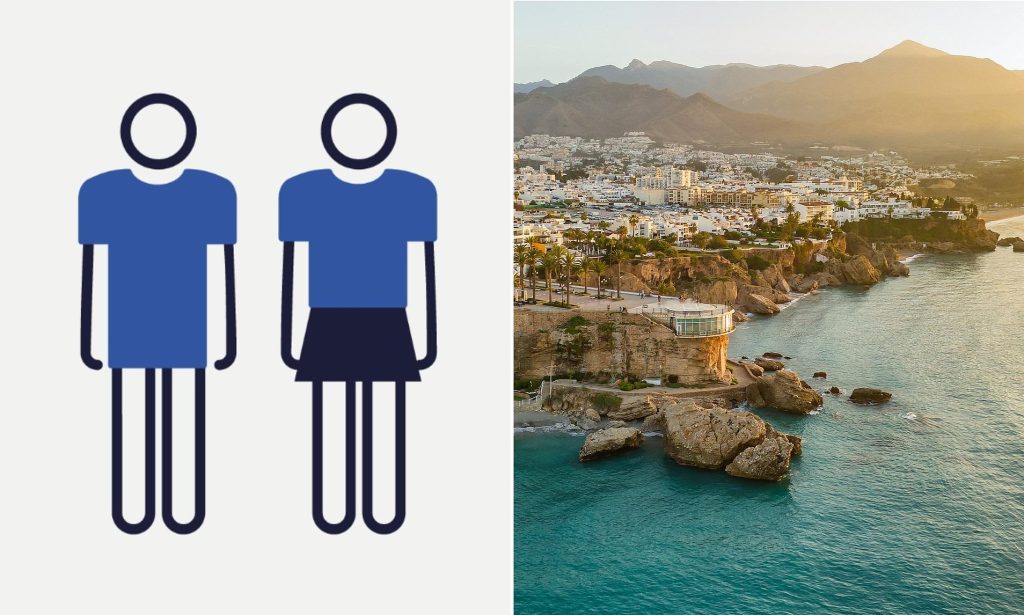
Signs placed throughout the city emphasize the importance of dressing appropriately. In public spaces, both on the streets and in other areas, visitors are encouraged to wear an upper garment as a sign of respect and hygiene. These messages are often directed at British holidaymakers, given the common perception of their behavior in the region.
Posters displayed on buses and billboards urge tourists to “dress properly,” “dress appropriately,” and “dress completely.” These messages are available in English to ensure clarity for international visitors. Additionally, a social media campaign reminds tourists that they must adhere to municipal rules or face fines of up to €750 for violations.
In the city center, residents have expressed frustration over foreigners walking around in minimal clothing, such as only bikinis or shorts. The city hall has responded by issuing signs that clearly state the expectation for full attire in public spaces.
Another key focus of the campaign is noise pollution. Visitors are reminded to respect the sleeping hours of residents, including the elderly, students, and essential workers. They are advised not to shout, sing loudly, or play music at high volumes in public areas. The message is clear: “Don’t be conspicuous.”
Littering is another major concern for locals. Signs ask tourists to keep the city clean by using rubbish bins and being mindful of historical monuments, gardens, and public seating. The city also emphasizes the importance of preserving its cultural heritage.
Scooter riders are reminded that pavements are reserved for pedestrians. They are urged to use scooters or bicycles only in legally authorized areas and to follow municipal regulations. This measure aims to prevent incidents where riders have been seen using cycle lanes indiscriminately or invading pedestrian zones.
Overtourism has become a significant challenge in many European destinations. Italy’s Dolomites, a stunning natural area, have faced similar issues. Locals have compared the region to Disneyland due to the overwhelming number of tourists, particularly selfie-snapping visitors and influencers.
Recent images and videos shared on social media show crowds clogging up a cable car station in the Seceda area of the Alpine mountain range. One video shows a long queue spilling into a nearby café, while others depict tourists blocking staircases as they wait for their turn.
Another clip captures a hiking trail coming to a standstill due to the sheer number of visitors trying to reach the cable car. A caption on the video reads: “Something incredible even just to be told. Hours in line waiting for your turn to go up the Seceda to admire the meadows, ridges, the most beautiful mountains of the Alto Adige, being careful not to step on each other’s feet, not to clash, to take the selfie as ‘freely’ possible in the presence of other tourists.”
Such overcrowding has led the cable car operator to request a tripling of the chairlift’s capacity, according to Italian news outlet Corriere della Sera. However, the surge in visitors has sparked anger among locals and environmentalists, who worry that large crowds could harm the region’s wildlife.
As the summer season continues, cities like Malaga and the Dolomites are striving to balance tourism with the well-being of their communities. Initiatives like the Improve your Stay campaign reflect a growing awareness of the need for responsible travel and mutual respect between visitors and residents.