









The Resurgence of K-Pop Titans
As the K-pop powerhouses return to the spotlight, they set a new benchmark for future acts in the industry. Few groups manage to survive more than a decade in the fast-paced and demanding world of K-pop. However, on a charged June night in Goyang, the industry juggernauts BTS celebrated 12 years since their debut. Their 2025 Festa event drew over 60,000 fans to the Kintex center in Seoul, marking a significant milestone as all seven members reunited after completing their mandatory military service.
The same weekend saw J-Hope concluding his world tour in a nearby stadium complex. During a live stream, the group announced plans for a comeback album and an upcoming world tour, much to the delight of their global fanbase, known as the “Army.” Jimin, one of the members, expressed excitement about reuniting with fans worldwide, stating, “We’re also planning a world tour alongside the album.”
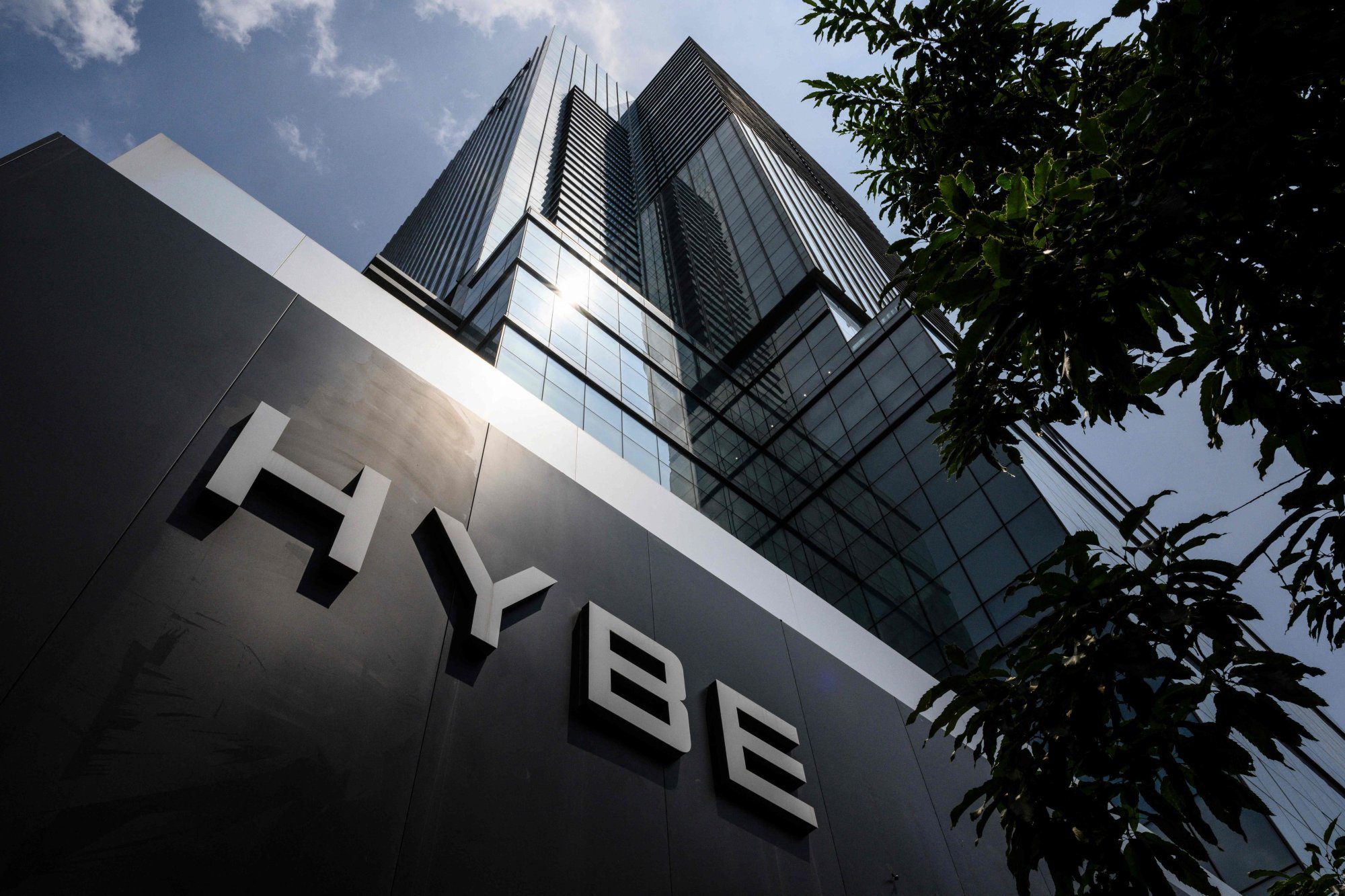
In the days leading up to the event, thousands gathered outside Hybe’s headquarters in Seoul’s Yongsan district, braving the summer heat for a glimpse of their idols. Since debuting in 2013, BTS has defied the so-called “seven-year curse” that typically marks the end of K-pop management contracts. Military obligations, solo projects, and public scandals have led to the premature end of many careers. However, BTS, along with their contemporaries Blackpink, have rewritten the rules, proving themselves as pioneers in global pop culture.
A Deep Connection Between Fans and Artists
For Kim Jeong-seob, a professor at Sungshin Women’s University and an expert on Korean pop culture, the bond between BTS and their fans goes beyond mere celebrity adulation—it’s almost familial. He noted that fans of BTS can be considered lifelong companions to the group’s members. The group’s lyrics often focus on themes of self-love, mental health, and identity, resonating deeply with their audience. Their influence extends beyond music, inspiring civic action through causes such as Black Lives Matter and the Palestinian struggle for freedom.
Even during their hiatus, the BTS Army remained loyal, engaging with behind-the-scenes content on YouTube and exclusive material on Hybe’s Weverse platform. Offline, regional fan clubs flourished, with grassroots communities in countries like Thailand and Mexico organizing events and charity drives. This loyalty underscores the enduring power of their fandom.
Global Reach and Strategic Partnerships
Kim highlighted that while BTS is seen as poets in their artistry, they also lead trends in fashion and culture. Unlike earlier K-pop groups that dominated the Asian market, BTS and Blackpink have created music that is highly anticipated globally. Their achievements have only intensified in recent years, with BTS making history by securing a Billboard No. 1 in 2020, breaking barriers for Korean acts in Western markets.
Blackpink’s recent return marked another milestone. After a year-long hiatus following their Born Pink world tour, the quartet reunited under new terms for their Deadline world tour. Their comeback launch at Goyang Sports Complex featured the live debut of their single “Jump,” signaling a bold, global-first strategy. The sold-out shows at Los Angeles’ SoFi Stadium reflected their international appeal.
Expanding Influence and Cultural Impact
Blackpink’s members have also made waves outside of music. Rose’s collaboration with Bruno Mars, “APT,” reached No. 3 on the Billboard Hot 100, while Jennie performed solo at Coachella and starred in the US drama The Idol. All four members serve as global ambassadors for luxury brands, including Chanel and Louis Vuitton.
These strategic partnerships have helped Blackpink build a strong presence in the global market. In 2018, they signed with Universal Music’s Interscope Records, while Hybe’s 2021 merger with Scooter Braun’s Ithaca Holdings placed them alongside global stars like Justin Bieber and Ariana Grande.
The Future of K-Pop
Kim noted that these international collaborations were instrumental in the success of both groups overseas. He also pointed out that their comebacks coincided with President Lee Jae-myung’s ambition to expand South Korea’s cultural footprint, aiming for a 300 trillion won domestic market and a 50 trillion won export industry. Their resumption of activities could attract investments across various sectors, opening a new era for South Korea’s market.
The Next Generation of K-Pop Stars
While BTS and Blackpink have had an immense impact on the Korean music industry, industry insiders question whether a new generation can sustain K-pop’s global momentum. Groups like Stray Kids and Seventeen have achieved notable success, but their domestic impact remains limited compared to BTS. Girl groups such as Aespa and IVE are still building their popularity and expanding their influence.
The industry faces additional challenges, including Hybe chairman Bang Si-hyuk being investigated for alleged fraudulent trading and legal disputes involving girl group NewJeans. Despite these issues, there is growing anticipation for a new boy group from Hybe later this year and the rising influence of other groups.
K-Pop’s Global Presence
Shin Jong-oh, director of the World K-pop Centre in Seoul, emphasized that there has never been more interest in K-pop. He mentioned that dozens of K-pop groups debut every week, with open auditions held worldwide. Shin has participated in auditions in 32 countries, featuring young hopefuls dreaming of performing on South Korea’s biggest stages.
He believes that foreign countries are now a guaranteed market for K-pop groups. As he noted, “K-pop is now enjoyed wherever you go in the world.”