








Addressing the Global Financing Gap
The Fourth International Conference on Financing for Development (FFD4) recently took place in Seville, Spain, bringing together stakeholders from around the world to tackle the pressing issue of financing for development. This conference built upon previous agreements such as the Monterrey Consensus 2002, the Doha Declaration 2008, and the Addis Ababa Action Agenda 2015, aiming to close the $4 trillion annual financing gap needed to achieve the Sustainable Development Goals (SDGs). The Sevilla Commitment for Action outlines a renewed commitment to address these challenges through urgent reforms and increased investment.
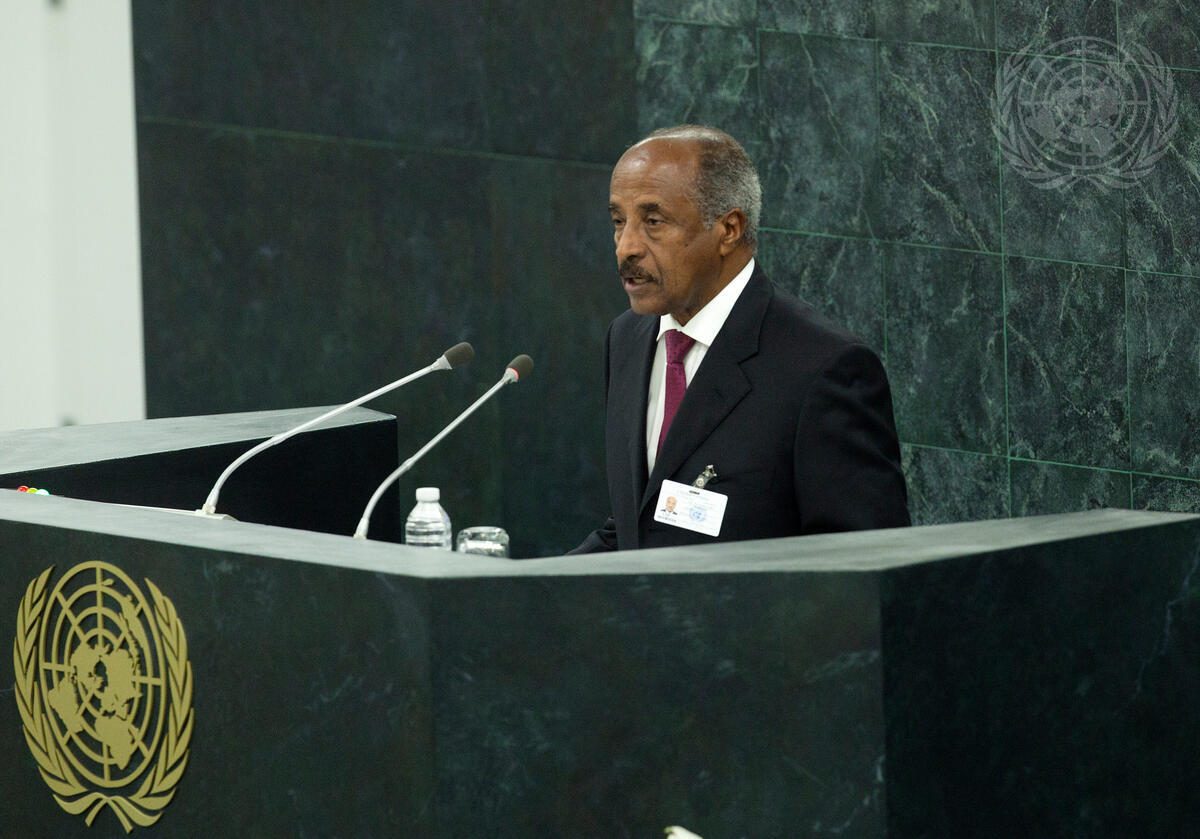
Nepal’s Permanent Representative to the United Nations was among the signatories of the FFD4 outcome document, highlighting the country’s participation in global efforts to secure sustainable development. While the pledges made at the conference are promising, the implementation of these commitments remains a significant challenge, especially given rising geopolitical tensions, climate disruptions, and growing inequalities.
Institutional Innovations and Systemic Approaches
One of the key highlights of FFD4 is its systemic approach to addressing the financing gap. Unlike previous declarations, this conference introduces institutional, structural, and systemic innovations aimed at ensuring more effective implementation. The Sevilla Platform for Action includes 130 initiatives designed to enhance public and private investment for sustainable development. These initiatives focus on strengthening tax systems, improving domestic resource mobilisation, and increasing accountability.
A central component of FFD4 is the promotion of transparent fiscal systems through Integrated National Financing Frameworks (INFFs). These frameworks enable countries to develop policies that align with their economic conditions, promoting budget transparency, data-driven procurement systems, and progressive taxation. The conference also emphasizes tax justice through the UN Framework Convention on International Tax Cooperation, ensuring all countries have an equal voice in shaping the international tax agenda.
Strengthening Fiscal Systems
FFD4 aims to support architectural reform at both national and global levels by enhancing fiscal systems. Measures include broadening the tax base, implementing transparent tax expenditure reporting, and encouraging gender-responsive budgeting. The conference prioritises capacity-building support for developing countries, urging development partners to double their assistance for countries aiming to increase their tax-to-GDP ratios, particularly those seeking to reach at least 15 percent.
Taxation plays a crucial role in financing the SDGs, and FFD4 focuses on progressive taxation, especially targeting high-net-worth individuals. Initiatives such as beneficial ownership registries and country-by-country reporting databases are introduced to support developing countries in their efforts to strengthen tax systems.
New Debt Instruments and Debt Sustainability
Developing nations face significant challenges related to unsustainable debt, high borrowing costs, and limited fiscal space. Currently, 52 percent of low-income countries are at high risk of debt distress or already in distress, with 20 percent of their revenues directed toward debt servicing. To address this, FFD4 introduces innovative debt instruments such as the Debt Swaps for Development Hub, the Debt-for-Development Swap Programme, and the Debt “Pause Clause” Alliance.
These initiatives aim to reduce debt burdens and promote collaboration among countries and multilateral development banks (MDBs). The Sevilla Forum on Debt will facilitate knowledge sharing and coordination in debt management and restructuring, with a UN entity serving as its secretariat. FFD4 also proposes a UN-led Sovereign Debt Convention, a borrowers’ forum, and a global debt registry to ensure more effective debt sustainability strategies.
Catalysing Investment and Private Finance
FFD4 seeks to increase the mobilisation of private finance by 2030, focusing on risk-sharing and blended finance instruments. These include first-loss capital, guarantees, local currency financing, and foreign exchange risk instruments tailored to national circumstances. The conference invites MDBs and Development Finance Institutions (DFIs) to harmonise impact metrics to support mobilisation targets and align incentives with maximising development impact.
Notable initiatives include scaling up catalytic capital platforms like the Platform for Investment Support and Technical Assistance (PISTA), outcome-based finance models such as the Outcomes Accelerator, and facilitating diaspora investment. For the first time, FFD4 brings together business groups and investor alliances through the FFD4 Business Steering Committee, fostering collaboration between the private sector and development partners.
Supporting Micro, Small, and Medium Enterprises
FFD4 calls for reducing structural barriers to micro, small, and medium enterprises’ (MSMEs) access to finance, particularly in developing countries. This includes expanding access to microcredits, local financial institutions, and digital tools while promoting capacity building and leveraging DFIs to provide guarantees, on-lending, and local currency financing. The conference reaffirms that remittances are a complement to development assistance and foreign investment, not a substitute, and commits to reducing remittance costs to below 3 percent by 2030.
Enhancing Eligibility Criteria for Concessional Finance
Lastly, FFD4 uses the Multidimensional Vulnerability Index (MVI) to complement GDP in determining eligibility for concessional finance. This approach embeds factors such as gender budgeting, green taxation, and care economy investments across the public finance agenda. Previous frameworks relied solely on GDP thresholds, but MVI provides a more comprehensive assessment of a country’s needs.
The successful completion of the conference and the positive affirmation from the UN, countries, MDBs, investors, and civil society demonstrate that multilateralism is still alive. However, achieving these ambitious goals will depend on coordinated efforts from all stakeholders.