


Expansion of Chinese Hotel Operators in Hong Kong
Chinese hotel operators are making significant strides in expanding their presence in Hong Kong, a key destination for travelers from the mainland. Analysts suggest that this trend could lead to a shift in the city’s hotel industry, with Chinese brands potentially replacing some of the established Western and international operators in the coming years.
Currently, the hotel landscape in Hong Kong is dominated by Western and international chains, while Chinese operators have a relatively smaller footprint. However, several mainland hotel brands are already active in the region. For instance, BTG Homeinns operates a range of hotels in different areas of Hong Kong, including upscale and mid-market properties such as the Wharney Hotel in Wan Chai, Oasis Avenue in Tsim Sha Tsui, and Oasis Aurum 181 in Sai Ying Pun.
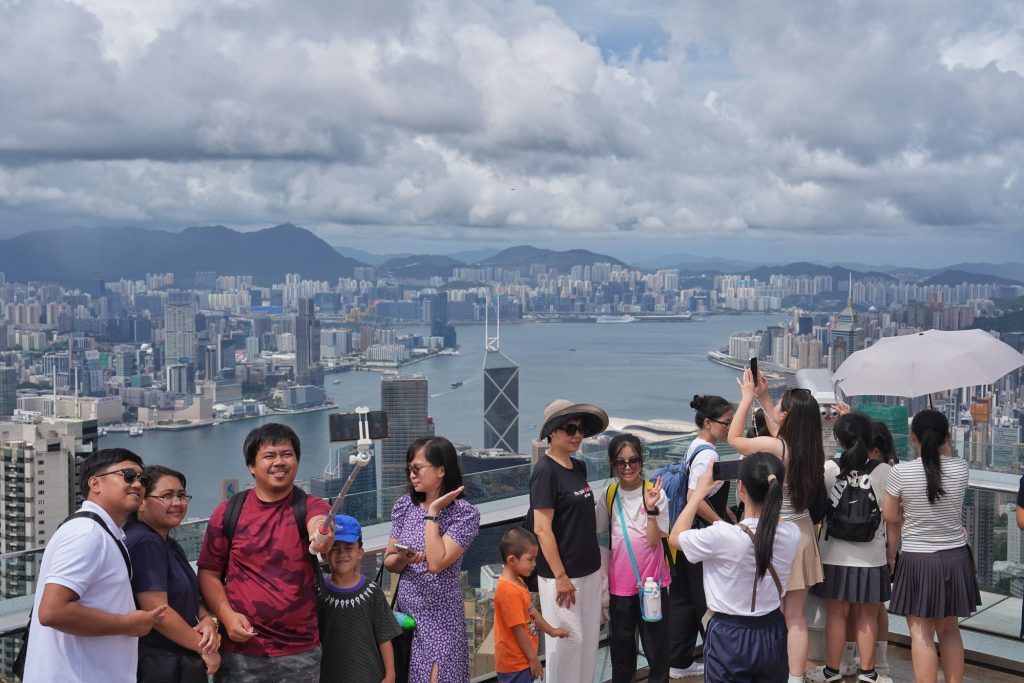
Hannah Jeong, executive director and head of valuation and advisory services at CBRE Hong Kong, highlights that Chinese hotel operators are increasing their presence globally. She notes that since 70% of tourists in Hong Kong come from the mainland, it is essential for Chinese hotels to establish a strong presence in the city.
This expansion reflects the growing ambitions of Chinese hotel operators to extend their reach beyond the mainland. This could give them a competitive advantage when attracting hotel asset owners. The business models used in hotel operations typically include master leases or service management contracts. While Chinese hotel brands often prefer new assets, they have shown willingness to compete in Hong Kong by offering better deals to landlords and property owners.
Timing also appears to be favorable for Chinese hotel operators. With most hotel management contracts or leases lasting five years, asset owners who made concessions during the pandemic may now seek new terms as these agreements expire. This situation creates an opportunity for mainland players to gain a foothold in the market.
According to Wei Junya, vice-president of investment sales in Greater China at JLL, three emerging trends could further enhance the prominence of Chinese hotel operators in Hong Kong.
The first trend involves changing preferences among tourists. As the largest source of tourism in Hong Kong, mainland travelers are increasingly seeking hotel experiences that align with their cultural preferences. Chinese operators have demonstrated superior capabilities in meeting these demands through mature digital ecosystems like WeChat mini-programs and membership synergies.
The second trend relates to asset optimization. Mainland Chinese operators can achieve higher margins through centralized procurement systems, organizational efficiencies, and AI-driven dynamic pricing strategies.
The third trend is the appeal of Hong Kong as a testing ground for mainland operators aiming for global expansion. This makes Hong Kong an attractive location for Chinese hotel brands looking to refine their strategies before entering other international markets.
Despite the anticipated entry of new hotel operators, the success of the industry depends on multiple factors. Lawrence Wan, senior director and head of advisory and transaction services for retail at CBRE Hong Kong, emphasizes that while hotels play a role in attracting tourists, other factors such as the quality of service, new attractions, and strategies to encourage longer stays are equally important.
The government and retailers also play a crucial role in offering diverse experiences that enhance the overall appeal of Hong Kong as a tourist destination. By combining these elements, the city can continue to thrive as a premier travel destination, even as the hotel industry evolves with the growing influence of Chinese operators.