








Shenzhen Introduces New Policy to Support Innovation and Reduce Risks
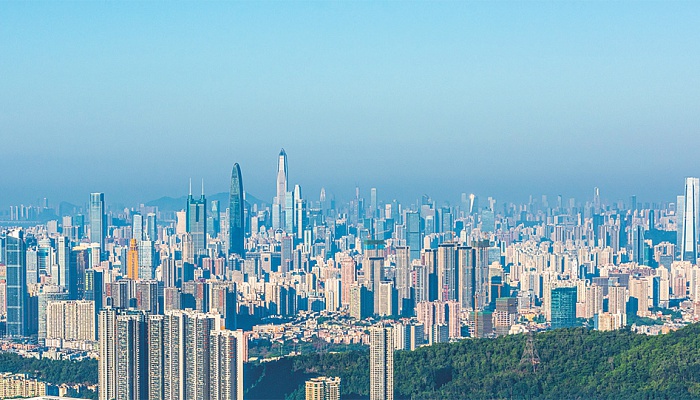
Shenzhen, a major technological hub in southern China, has introduced a groundbreaking policy that offers leniency to innovators whose government-funded projects fail or do not meet evaluation standards. This is the first of its kind policy statement from the Shenzhen Science and Technology Innovation Commission, reflecting the city’s commitment to fostering innovation and reducing dependence on foreign technology amid growing strategic competition with the United States.
The new rules apply to all universities, hospitals, and companies engaged in technical innovation with government financial support. The commission emphasized that if mistakes were made without misconduct, abuse of power, or negligence, and if the innovators took reasonable steps to correct the errors, they should not be punished. The policy aims to create a more supportive environment for scientific research and development by encouraging bold exploration and minimizing the fear of failure.
Scenarios for Exemptions
The policy outlines several scenarios where exemptions could be granted. These include situations where project goals were stalled due to technical difficulties, products developed became unviable because of market changes, or research remained incomplete due to the need to explore new mechanisms, methods, models, or technologies. According to the document, these units and individuals should not be held accountable, nor should their performance evaluations be affected. They should also not be hindered from applying for government-funded scientific and technological projects again.
The policy encourages researchers to “boldly explore uncharted territories and strive to become creators of significant scientific achievements.” It also calls for the establishment of a long-term mechanism to avoid losses caused by failed innovations, ensuring that the lessons learned from such failures contribute to future successes.
Shenzhen’s Innovation-Driven Growth
Shenzhen, once a small fishing village, has transformed into “China’s Silicon Valley” over the past few decades. The city has consistently prioritized innovation as a key driver of its economy while fostering a business-friendly environment. In August 2023, Shenzhen issued three work plans outlining 55 measures to optimize its business environment. These included improving the rule of law, easing market access, protecting intellectual property, and promoting internationalization.
In February of this year, the city government announced a major initiative to boost the AI and robotics industry, with a particular focus on humanoid robotics. According to the Shenzhen Artificial Intelligence Industry Office, the city will offer subsidies covering up to 60 per cent of the cost of training AI models, capped at 10 million yuan (US$1.39 million). This is part of a broader 10 billion yuan fund aimed at supporting AI software, hardware, and embodied intelligence.
National Vision for Technological Advancement
President Xi Jinping has repeatedly emphasized the importance of boosting tech innovation to secure supply chains amidst intense U.S. competition. At a recent science and technology conference, Xi called for breakthroughs in “bottleneck” technologies for six key areas: integrated circuits, industrial machine tools, basic software, advanced materials, scientific research instruments, and seed sources.
Xi highlighted the significance of the hi-tech sector in the ongoing competition between superpowers, stating, “Technological revolution is intertwined with the wrestling of superpowers, with the hi-tech sector becoming the main battlefield.”
Supporting the Future of Innovation
The new policy reflects Shenzhen’s broader vision for fostering a culture of innovation and resilience. By providing a safety net for failed projects, the city aims to encourage researchers and entrepreneurs to take risks and pursue ambitious goals. This approach not only supports the growth of local industries but also strengthens China’s position in the global tech landscape.
As Shenzhen continues to invest in its innovation ecosystem, it sets an example for other regions looking to balance risk and reward in the pursuit of technological advancement. The city’s proactive measures and forward-thinking policies are likely to play a crucial role in shaping the future of China’s high-tech industry.