








Understanding Albinism: A Genetic Condition with Global Impacts
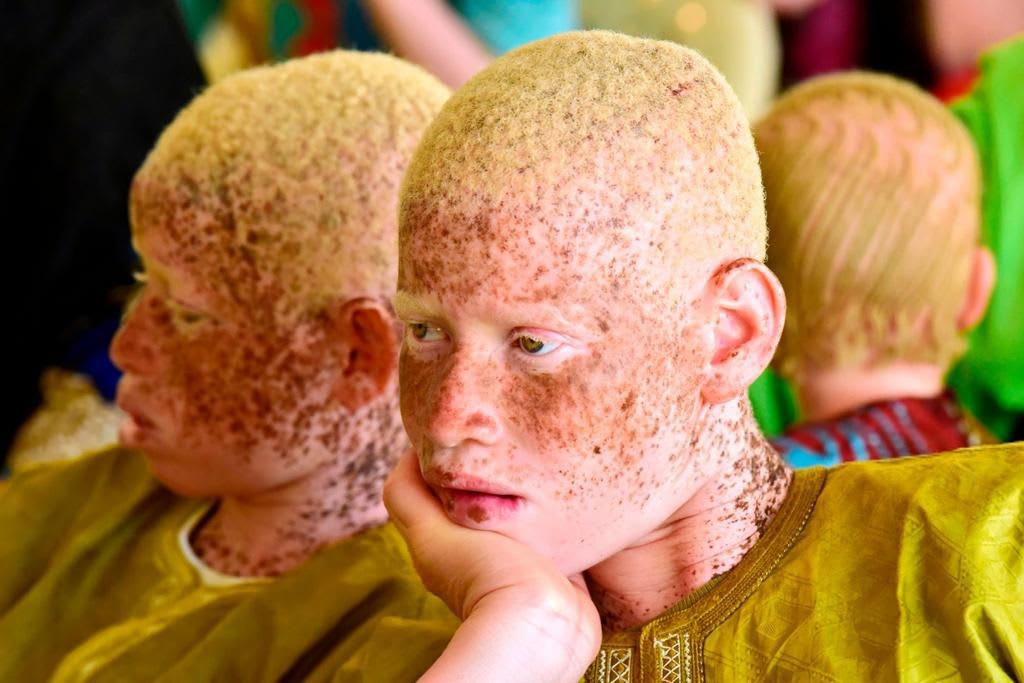
Albinism is a rare genetic condition that affects individuals across all ethnicities and races. Despite its prevalence, it remains widely misunderstood, particularly in regions where stigma, myths, and misinformation persist. People with albinism (PWA) experience a reduced or absent production of melanin, the pigment responsible for skin, hair, and eye color. This condition is not a curse or an illness but rather a genetic variation that requires awareness and support.
What Is Albinism?
Albinism refers to a group of inherited genetic disorders characterized by little or no melanin production. This pigment is essential for determining the color of the skin, hair, and eyes. The condition can affect people of any race or background. There are several types of albinism, with the most common being oculocutaneous albinism (OCA), which impacts the eyes, skin, and hair. Another form, ocular albinism, primarily affects the eyes.
Albinism occurs due to mutations in specific genes that regulate melanin production. These mutations impair the body’s ability to produce or distribute melanin, leading to lighter pigmentation and associated vision issues. For a child to be born with albinism, both parents must carry the gene mutation, even if they do not show any symptoms themselves. It is an autosomal recessive condition, meaning the child must inherit a mutated gene from each parent.
Common Myths About Albinism — Debunked
Myth 1: Albinism is a curse or punishment
Albinism is a genetic condition, not a spiritual punishment. It results from mutations in one of several genes involved in melanin production. A child inherits albinism when both parents carry the gene, even if they do not display any signs of the condition. There is no basis in science or spirituality for the belief that it is a curse.
Myth 2: Albinos don’t eat salt
People with albinism consume salt like anyone else. This myth may have originated from confusion about skin conditions, such as dryness and flakiness, which some PWAs experience. However, there is no medical reason why they cannot eat salt. Their dietary needs are generally the same as others unless they have additional health conditions.
Myth 3: Albinos cannot go under the sun
Albinos can go outside, but they need to take extra precautions. Due to their lack of melanin, they are more susceptible to sunburn and skin cancer. With protective clothing, sunglasses, and sunscreen, they can safely enjoy outdoor activities. Advocacy groups emphasize sun safety rather than avoidance.
Myth 4: People with albinism are blind
Albinos are not blind, but many have visual impairments. The lack of melanin in the retina and abnormal development of the optic nerve pathways often lead to vision problems. However, many individuals with albinism can read, write, attend school, and work, using visual aids if necessary.
Myth 5: Albinos bring wealth or luck when used in rituals
This is a dangerous and unfounded myth. In some African countries, people with albinism have been targeted for their body parts, which are falsely believed to possess magical powers. These attacks have led to severe human rights violations. International organizations have condemned these acts and continue to advocate for the protection of individuals with albinism.
Can Albinism Be Avoided or “Cured”?
Albinism cannot be avoided in natural conception without genetic screening, and even then, it is not typically considered a disease to prevent. It is not caused by diet, lifestyle, or spiritual behavior. While there is no cure, individuals with albinism can lead full and healthy lives with proper care, including regular eye exams, sun protection, and emotional support.
Conclusion
People with albinism are not mystical or cursed; they are human beings born with a genetic difference. What they need is understanding, support, and protection, not stigma or isolation. Raising awareness and challenging misconceptions are crucial steps toward creating a more inclusive and informed society.