


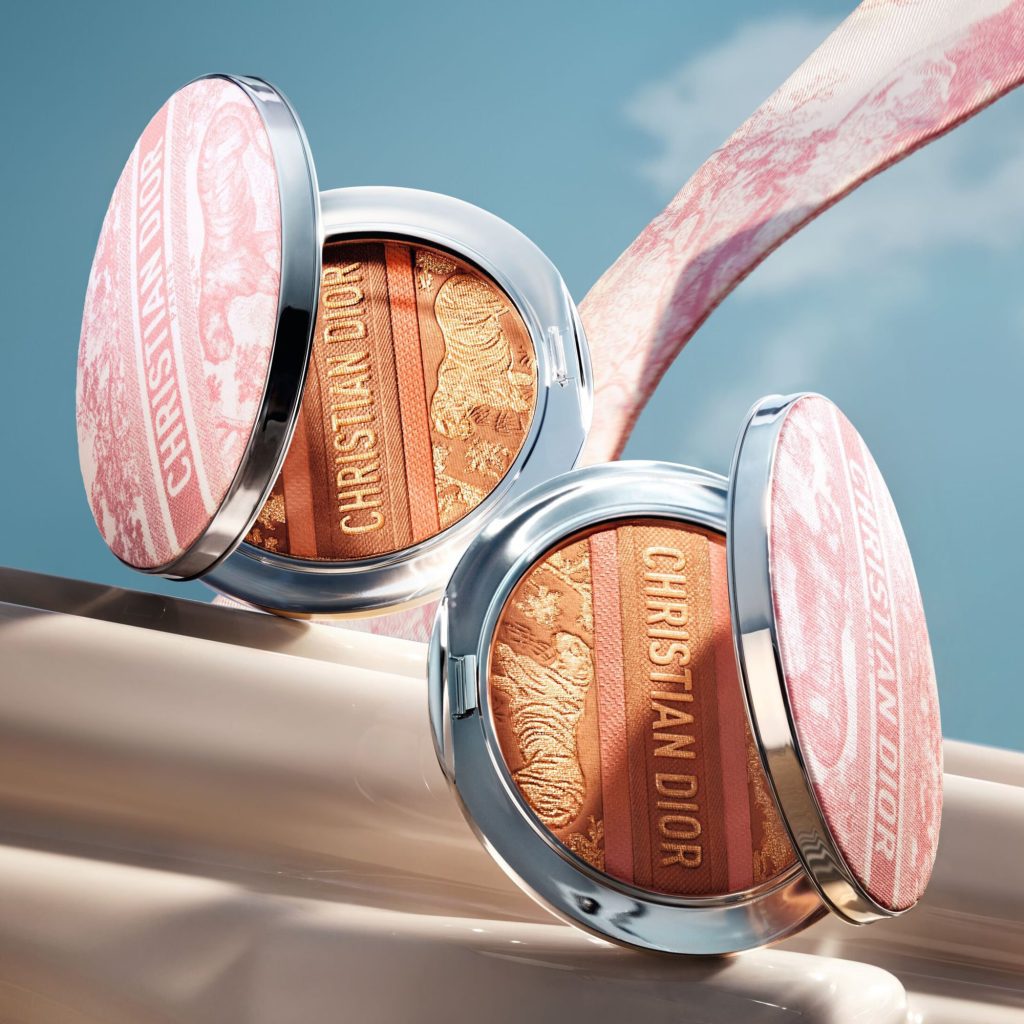
The Power of Tactile Details in Luxury Beauty Packaging
In the world of luxury beauty, the experience begins long before a product is used. From the moment a consumer lays eyes on a product, the packaging plays a crucial role in shaping their perception and emotional connection. Brands like Dior, Hermès, Chanel, Tom Ford, and Byredo have mastered this art, understanding that the tactile elements of packaging—such as weight, texture, sound, and visual appeal—are essential in creating an unforgettable brand identity.
The allure of luxury packaging lies in its ability to evoke emotions and create a sense of exclusivity. A heavy jar, a smooth matte finish, or a subtle metallic glint can all contribute to the overall experience. These design choices are not just aesthetic; they serve as silent invitations that engage the senses and activate pleasure centers in the brain. Even before a single ingredient touches the skin, the packaging has already begun to build a narrative of indulgence and sophistication.
Historically, luxury packaging has been more than just a visual statement—it has been a symbol of status and quality. The heavier the jar, the more luxurious the promise inside. While trends may shift from ornate detailing to minimalist designs, the core principle remains: luxury is deeply rooted in the tactile experience. The satisfying click of a lipstick cap or the smooth closure of a Dior compact are sensory cues that reinforce the idea of a premium product.
Julie Bhakta, business development director at Anisha International, emphasizes the importance of sensory details in luxury packaging. “Texture, weight, sound, and color are powerful cues consumers use to judge the level of luxury,” she explains. These elements work together to convince consumers that the investment is worthwhile. However, as brands strive for sustainability, maintaining these luxury signals without compromising on eco-friendly practices becomes increasingly challenging.
Packaging engineers recognize the significance of these sensory cues, especially in today’s digital age where viral trends play a major role in consumer behavior. Sarah Haffey, co-founder and COO of Alder Packaging, highlights how experiential details enhance the user experience. “An audible click when closing a lipstick helps individuals know their packaging is functioning properly,” she says. The subtle weight and cool touch of aluminum, for instance, offer a different sensory experience compared to plastic. These details often go viral on social media, further amplifying the brand’s reach and appeal.
Subcultures have even formed around the unique sensory experiences of luxury packaging. The click of a cap, the glide of an applicator, or the mystery of a perfect atomizer all contribute to the brand’s mystique. Brands like Byredo and Hermès have embraced this by creating products that double as art pieces. Byredo’s lipsticks resemble miniature sculptures, while Hermès has introduced refillable vessels designed to be both functional and aesthetically pleasing.
Despite its artistic value, luxury packaging also has a practical purpose. “Luxury packaging concepts start by understanding the purpose and desired user experience,” Haffey notes. Whether it’s a built-in applicator, a dispenser, or a simple preservation mechanism, the design must balance functionality with aesthetics. The airtight pump that shields your vitamin C serum or the signature blue bottles of Augustinus Bader, which protect potent formulas, are examples of how functionality and beauty can coexist seamlessly.
However, not all brands get this right. Charlene Valledor, president and co-founder of SOS Beauty, points out that some brands prioritize aesthetics over user experience. “A sculptural jar might make a big impression on the counter, but could be difficult to hold or open,” she says. Valledor advocates for a balance between form and function, emphasizing that a luxurious experience should be effortless and smooth.
As sustainability becomes a central focus in the industry, luxury packaging is undergoing a transformation. The era of extravagant, non-recyclable materials is giving way to eco-conscious alternatives. Refillable containers made from glass, aluminum, and biodegradable materials like bamboo, mushrooms, and sugar cane are gaining popularity. Mono-material designs, which are easier to recycle, are also becoming more common while maintaining a high-end feel.
Challenges remain, such as the use of iron weights in plastic caps to simulate heaviness. With the push for fully recyclable or biodegradable packaging, these metal inserts are no longer viable. However, brands like Chanel are proving that sustainability and luxury can coexist. Partnering with Sulapac, a Finnish start-up, Chanel has created biodegradable materials that mimic the look and feel of traditional plastics, showing that sustainable packaging can still exude elegance.
Sustainability itself can be part of the luxury experience. Haffey notes that Alder Packaging was founded on the belief that sustainable is beautiful. “Sustainability is an additional sensory detail signaling that extra intention and care was put into this product,” she says. Valledor agrees, highlighting innovations in mono-material packaging and new textures that enhance the tactile experience without sacrificing elegance.
Ultimately, luxury packaging is designed to be more than just a vessel. It becomes part of the story, cherished and reused rather than discarded. People save Diptyque candle jars or repurpose Le Labo boxes to store jewelry because the packaging was never just a container—it was an integral part of the luxury experience. As the industry continues to evolve, the challenge remains to make sustainability feel as luxurious as ever.