


NHS Work Experience Policies Excluding Private-School Students Spark Controversy
Several of the UK’s most prestigious hospital trusts have been accused of creating barriers for private-school students seeking essential work experience in the National Health Service (NHS). This has led to concerns about fairness and access to opportunities in the medical field, with critics arguing that such policies may be discriminatory.
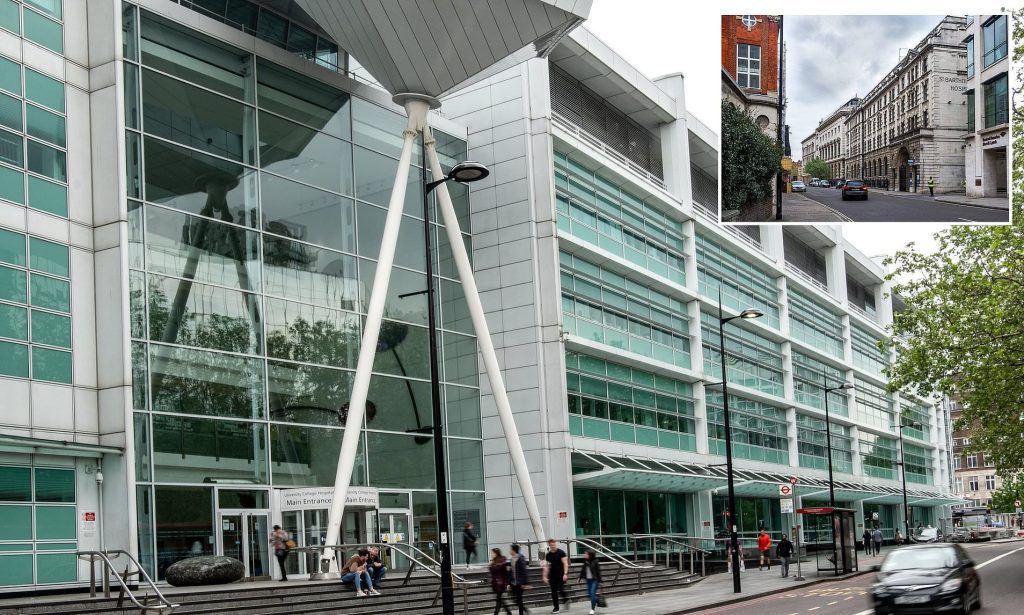
According to reports, major NHS trusts, including Barts Hospital and University College London Hospital (UCLH), have limited their work experience programs to students from local state schools. King’s College Hospital Trust, which oversees one of the country’s largest teaching hospitals, explicitly states that it gives priority to students who do not attend private schools. Similarly, South London and Maudsley NHS Trust has also implemented a policy favoring those from non-private educational backgrounds.
This approach has raised questions about whether the NHS is inadvertently reinforcing social divides rather than addressing them. The British Medical Association (BMA) emphasizes that clinical work experience is crucial for aspiring medical students, yet many private-school pupils, including those on full bursaries, are struggling to secure placements at key hospitals.
One example involves a student from Emanuel School in south London, who was told by King’s College Hospital Trust that private-school students were not admitted to their work experience programs, even if they lived nearby. Another student, who received a 100% bursary, applied to multiple hospitals within her local area but faced rejections or no responses due to her school background.
Gordon West, head of careers at Stowe School, highlighted the broader implications of these policies. He pointed out that the student in question comes from a high-priority group and that excluding private-school students could prevent talented individuals from underprivileged backgrounds from accessing vital medical training. “Policies like this don’t account for stories like hers,” he said. “By excluding private-school kids, they also shut out students on 100% bursaries, many of whom come from families with very limited means.”
West added that even when private-school students are not officially barred, they are often deprioritized. This can lead to missed opportunities that put them at a disadvantage when applying for medical degrees. “This is essentially indirect discrimination,” he said. “The silence and rejections they face when seeking placements are very telling.”
Widespread Concerns About Discrimination
This issue is not isolated. The Mail on Sunday has previously reported similar cases, including an eight-year-old boy turned away for treatment by Kingston and Richmond NHS Trust because he attended a private school. Another case involved a girl in Somerset who was denied mental health treatment by her local NHS Trust simply because she was privately educated.
In response to these allegations, King’s College Hospital NHS Trust stated that in 2024, it facilitated 396 work placements, with the majority going to students from state schools. At Barts Hospital, a spokesperson mentioned that placements for private-school pupils could be offered, but only through staff referrals. South London and Maudsley NHS Trust emphasized its commitment to supporting students from local schools, particularly those from lower-income families, while giving priority to those not attending private schools.
UCLH claims it cannot accommodate students outside of its partnerships with the Social Mobility Foundation and selected local schools. However, a spokesman noted that placements might be possible for friends and family of UCLH staff members.
Sources at NHS England clarified that individual trusts are responsible for allocating work experience placements, suggesting that there is no centralized policy across the system.
A Call for Fairness and Inclusivity
Critics argue that the NHS should focus on expanding access to medical education rather than implementing policies that exclude certain groups. Karol Sikora, a British medical expert, wrote that the NHS is often seen as a symbol of universal healthcare, yet it is now being accused of discrimination against private-school students.
He argued that while it is true that middle-class students may have more advantages in securing work experience, the solution lies in reaching out to state schools and inviting them to apply, rather than creating barriers. “Banning people on account of what school they go to is just as wrong as discriminating against people on the basis of their race or sexuality,” he said.
Sikora also criticized the influence of activist groups within the NHS, warning that such policies risk undermining the organization’s mission. “The NHS must not allow itself to be captured by these activists, who are using it to further their own vision of an ideal society,” he concluded.