


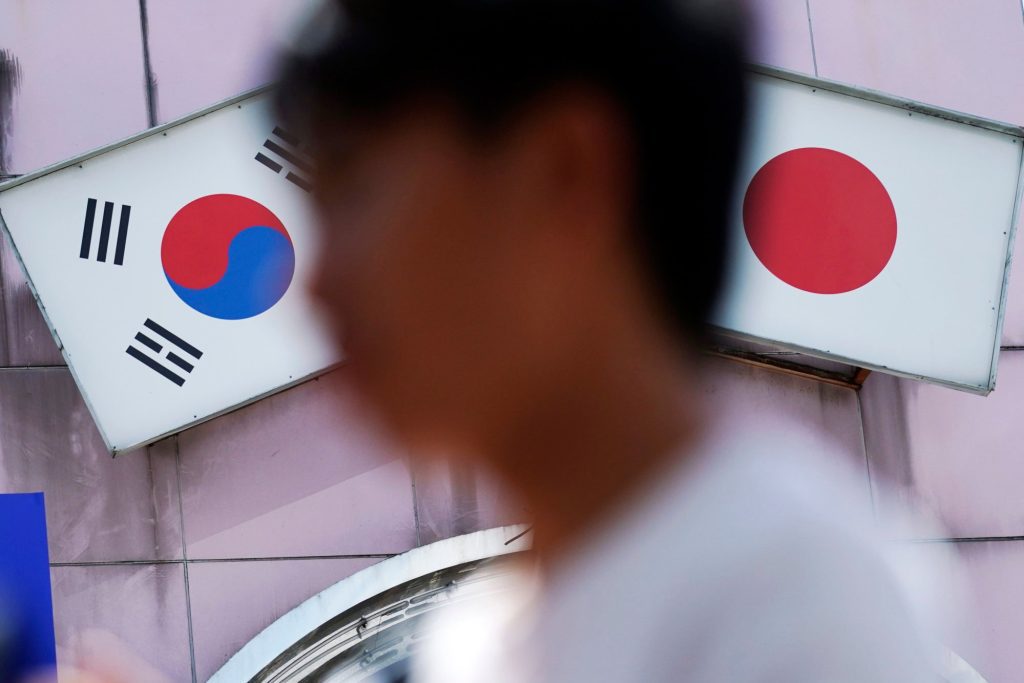
A New Era of Cultural and Political Intimacy Between South Korea and Japan
In the vibrant Hongdae district of Seoul, 19-year-old Choi Jae-eun is immersed in a conversation with her friend about the latest anime release on Netflix. The pair heads toward Animate, a shop located inside AK Plaza, known for its extensive collection of Japanese manga, anime figures, and exclusive merchandise. Pop-up stalls themed around popular series attract teenagers and young adults, who are no longer seen as outsiders but rather as part of a growing community of fans.
Japanese pop culture has become a significant part of daily life for many South Koreans, especially the younger generation. From the shelves of Animate to the queues for anime-themed events and the playlists of teenagers, the influence of Japanese culture is undeniable. This cultural exchange has created a sense of intimacy between the two neighboring countries, even as their political relationship remains complex.
Eighty years after Japan’s colonial rule over the Korean peninsula ended in 1945, South Koreans have embraced aspects of Japanese culture. Similarly, in Tokyo, the Hallyu wave—Korean cultural influence—has had a strong impact, with K-pop concerts selling out quickly. For many young South Koreans, this connection began early. Choi shared that she was introduced to classics like Dragon Ball Z and Studio Ghibli by her parents. She often asks her friends if they watched the new Japanese anime released on Netflix.
This cultural affinity extends beyond entertainment, encompassing fashion, food, and more. However, it also mirrors the cautious progress in diplomatic relations between the two nations, despite their historical tensions.
Japan’s colonization of the Korean peninsula from 1910 to 1945 left deep scars, particularly among victims of forced labor and those subjected to sexual slavery, referred to as “comfort women.” Tensions flared in 2019 when Japan removed South Korea from a key trade list following a court ruling that ordered compensation for former laborers. The “No Japan” boycott saw customers avoid Japanese goods and even express anger by throwing kimchi at Japanese-made cars.
Today, these hostilities have significantly cooled. In 2024 alone, over 8.8 million South Koreans visited Japan, making them the largest group of visitors. Tourism continues to grow, with a 10.7% increase in visitor numbers in the first half of the year compared to 2024.
Song Jin-woo, who runs a Japanese subculture shop in central Seoul, has visited Japan more than a dozen times. His shelves are filled with Japanese comics and imported snacks. He believes that South Koreans can relate to elements in Japanese animation due to shared societal similarities. While history remains important, he emphasizes separating news from personal enjoyment of Japanese culture.
Diplomatic Progress and Ongoing Challenges
Former South Korean President Yoon Suk-yeol’s 2023 proposal for third-party reimbursement to compensate wartime labor victims helped ease a diplomatic deadlock. With his successor, Lee Jae-myung, now in office, agricultural ministers from both countries met for the first time in seven years, discussing food security. Lee is set to meet Japanese Prime Minister Shigeru Ishiba later this month, with topics likely including cooperation in semiconductors, AI, climate change, and economic security.
Despite this progress, there are still unresolved issues. Choi Eun-mi, a research fellow at the Asan Institute for Policy Studies, noted that while South Korean views of Japan are warming, with a favorability score of 4.52 out of 10—the highest since 2010—there remain generational and political divides.
Men in their 20s show a high affinity for Japan due to their interest in anime and games, while those in their 60s appreciate Japan for travel opportunities. However, women in their 30s and 40s tend to have a more negative outlook, particularly regarding the “comfort women” issue.
Surveys reveal differing priorities among political groups. Conservatives favor advancing future-oriented cooperation with Japan, while progressives prioritize addressing historical grievances. Choi emphasized that familiarity with another country’s culture can foster fondness and encourage deeper understanding of existing conflicts.
A Growing Cultural Exchange
Inside Animate, Akihiro Tsonoda, 49, waits patiently as his daughters explore the store. His family traveled from Japan on holiday. Tsonoda noted that his children’s generation is deeply into K-pop and Korean dramas, a stark contrast to his own experiences growing up with negative perceptions of South Korea. He has visited Seoul over ten times and appreciates the friendly nature of South Koreans.
The cultural exchange between the two nations is mutual, with K-pop and Korean dramas gaining popularity in Japan alongside Japanese anime and food. Yet, beneath this warmth, history continues to shape the complex relationship between South Korea and Japan.