


Hong Kong’s Potential in the Digital Trade-Finance Landscape
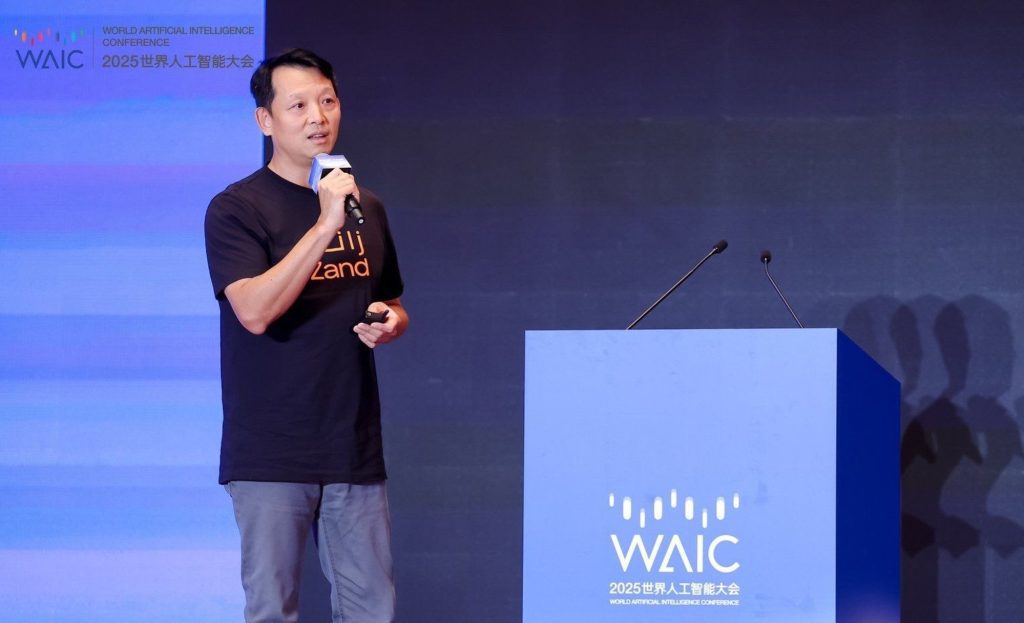
Hong Kong is poised to reclaim its role as a key facilitator of trade between mainland China and global markets, according to Michael Chan, CEO of Zand, an AI-powered fintech and financial-services group based in the United Arab Emirates (UAE). The recent introduction of the Stablecoins Ordinance in Hong Kong has been hailed as a significant milestone, with the potential to streamline cross-border payments and enhance trade-finance flows.
Chan highlighted that while Hong Kong’s traditional role as a re-export hub for mainland China has declined due to increased direct trade through mainland ports, the city could revitalize its position as a middleman in the digital trade-finance segment. This shift is particularly relevant given the growing importance of stablecoins—cryptocurrencies backed by fiat currencies or other reserve assets.
The Advantages of Stablecoins
Stablecoins offer several advantages over traditional currency systems. They are more time and cost-effective, providing a reliable corridor with greater transparency and programmability features such as automation of conditional payments, escrow services, integrated compliance checks, and real-time foreign exchange rates. These features make them ideal for facilitating seamless cross-border transactions.
Chan joined Zand as CEO in November 2022 and quickly led the bank to break even within 22 months. Zand also became one of the youngest banks to achieve an investment-grade rating from Fitch Ratings, earning a BBB+ rating. The bank has also received in-principle approval from the central bank of the UAE to offer a dirham stablecoin.
Regulatory Framework and Challenges
The Stablecoins Ordinance, implemented on August 1, sets a global standard in the cryptocurrency sector by initiating the application process for potential issuers. The regulation aims to ensure a prudent approach to the issuance of stablecoins, which are designed to maintain a stable value relative to a fiat currency or other reserve assets.
However, some industry players have raised concerns about the upfront capital requirement of HK$25 million (US$3.2 million), which they view as a barrier for smaller firms. Chan noted that the regulatory framework in the UAE is similar, requiring initial and ongoing capital of approximately HK$32 million, plus additional capital of at least 0.5 per cent of the fiat currency face value of the outstanding stablecoin.
Opportunities for Yuan Internationalization
Chan sees the future development of stablecoins in Hong Kong as an opportunity for the internationalization of the Chinese yuan. Enabling conversion between eCNY (the digital version of the Chinese yuan) and Hong Kong dollar-linked stablecoins could integrate the Chinese digital currency into global digital asset flows for cross-border settlement.
Hong Kong has collaborated closely with the mainland on cross-border initiatives in digital currency. For example, starting in June, users of Hong Kong’s Faster Payment System will be able to remit up to HK$10,000 per day from each bank account to 298 million users of the mainland’s Internet Banking Payment System via the Payment Connect.
Growing Market and Strategic Partnerships
According to KPMG, the global stablecoin market has surpassed US$250 billion, accounting for 7.48 per cent of the total cryptocurrency market cap. The market has experienced a compound annual growth rate exceeding 80 per cent over the past five years.
In October, Zand partnered with IDA, a Hong Kong-based stablecoin issuer, to offer cost-effective and efficient cross-border transactions across the Belt and Road Initiative region and the Brics-plus countries. Additionally, Zand collaborated with Evident Group, an operator of a digital investment platform for alternative assets licensed by Hong Kong’s Securities and Futures Commission, to provide Dubai-based clients with investment opportunities through Evident’s tokenisation technology and infrastructure.
A Vision for the Future
“We are not a digital bank. We are a fintech firm with a banking licence, powered by AI and blockchain, and we are seamlessly bridging traditional finance and decentralised finance to unlock growth opportunities for clients to thrive in the digital economy,” said Chan.
Zand continues to collaborate with numerous Hong Kong-based and Asian-based firms interested in stablecoin development, leveraging its well-developed blockchain infrastructure platform. As the digital economy evolves, Hong Kong’s strategic position and regulatory advancements could play a crucial role in shaping the future of global trade and finance.