







Challenges Facing Pakistan’s Manufacturing Sector
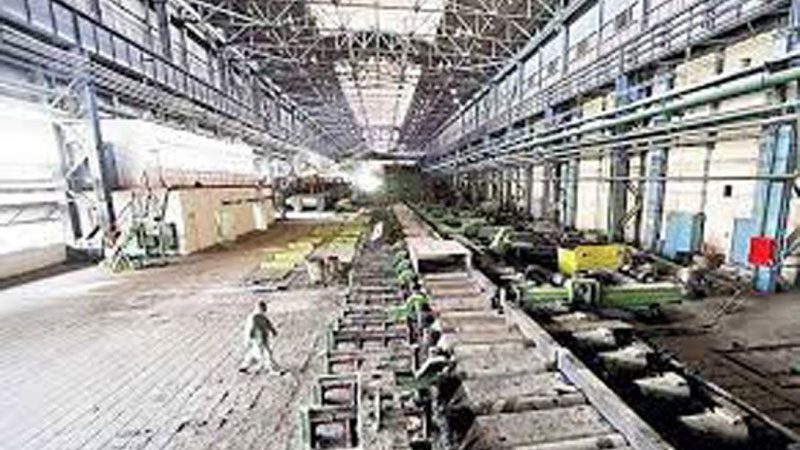
The Pakistan Industrial and Traders Associations Front (PIAF) has raised serious concerns about the ongoing contraction in the country’s large-scale manufacturing (LSM) sector. They have called for a comprehensive National Industrial Growth Strategy to revitalize industrial activity and support economic recovery. PIAF leaders stress that without coordinated policy action and active engagement from the private sector, Pakistan’s manufacturing base could face prolonged stagnation, which would threaten employment opportunities and export potential.
Critical Juncture for the Industrial Sector
PIAF chairman Faheemur Rehman Saigol highlighted that the performance of the LSM sector remains weak. He pointed to recent data showing declines in key industrial segments, despite modest gains in some consumer-driven industries. “Our industrial sector is at a critical juncture,” Saigol said. While sectors like automobiles and garments have shown resilience, heavy manufacturing, machinery, and construction-linked industries are under severe pressure. He emphasized the need for targeted measures and sustained policy support to reverse negative trends and ensure long-term industrial growth.
Structural Weaknesses and High Costs
Senior Vice Chairman Tahir Mazoor Chaudhry warned that the high cost of production and rising input expenses are limiting the private sector’s ability to drive economic expansion. “Even with the government’s planned reforms, the burden of energy shortages, financing challenges, and weak investor confidence is weighing heavily on industrial activity,” he noted. Chaudhry called for practical incentives, particularly in energy and export sectors, to encourage private investment and stimulate industrial output.
Mixed Performance Across Industries
Vice Chairman Nasrullah Mughl pointed to the mixed performance across Pakistan’s manufacturing landscape, emphasizing the uneven recovery and structural vulnerabilities. “Automobiles, apparel, and pharmaceuticals are performing well, reflecting demand-driven growth. However, machinery, minerals, cement, and furniture industries are contracting sharply, highlighting systemic constraints that need policy attention,” Mughl said. He added that the LSM sector’s weak performance could undermine broader economic recovery unless the government acts decisively with a national strategy that prioritizes industrial sustainability.
Persistent Issues Before Global Shocks
Faheemur Rehman Saigol underscored that the decline in LSM is not a recent phenomenon. The sector had been struggling even before global shocks such as the COVID-19 pandemic, which further disrupted supply chains and domestic demand. “The pandemic intensified the challenges but did not create them. The underlying issues of high production costs, inconsistent energy supply, and structural inefficiencies have been persistent,” Saigol remarked.
Recent Statistics Highlight Contraction
Highlighting recent statistics, PIAF noted that several industrial segments experienced significant contraction over the past fiscal year. Cement, iron and steel products, and non-metallic minerals recorded steep declines, while machinery output fell sharply. Despite some growth in automobiles, garments, and petroleum products, overall industrial momentum remained subdued, raising concerns about employment generation and export competitiveness.
Call for Immediate Action
PIAF reiterated that a well-coordinated National Industrial Growth Strategy with full government ownership is critical to restoring confidence and providing a clear roadmap for industrial expansion. “Private sector-led revival can only succeed if complemented by supportive policy measures, energy reforms, and financial incentives. It is time for decisive action at the highest level to stabilize and grow our manufacturing base,” Saigol concluded.
Collaboration Between Government and Industry
The front’s leadership called for immediate consultations between the government and industry stakeholders to identify bottlenecks, align regulatory frameworks, and create conditions conducive to sustainable industrial growth. They emphasized that achieving broad-based industrial recovery would boost exports, generate jobs, and strengthen the country’s economic resilience in the face of domestic and global challenges.